


In June 2019, a sea of protesters flooded the streets in the throbbing heart of Hong Kong’s central business district. Umbrellas, now emblematic of defiance, bobbed above the crowd as chants of “Hong Kong, never give up!” rang out. This wasn’t just a demonstration; it was a statement of survival. At the epicentre of their fury was a controversial new law that could allow extradition to mainland China. To many, this was the beginning of an erasure, of identity, autonomy, and freedom.
Police in riot gear fired tear gas into the crowd, rubber bullets snapping through the air. Yet amidst the chaos, a woman captured the scene on her phone. A quick tap, a swipe, and the footage was uploaded to TikTok. But curiously, the video vanished into a digital void. It didn’t matter that TikTok was exploding globally with over a billion users; the platform’s allegiance to its Chinese roots drew a hard line. Pro-democracy footage from Hong Kong was reportedly scrubbed, leaving the protesters voiceless in the algorithmic silence.
This erasure wasn’t a coincidence but a calculated strategy by ByteDance, TikTok’s parent company. Straddling two worlds, China’s tightly monitored internet and the open, volatile networks of the West, the company had to walk a precarious tightrope. They needed to appease Beijing while maintaining enough credibility to thrive globally. The stakes were existential.
A world away, another kind of revolution was brewing, one less political but equally impactful. On the sun-drenched beaches of Baja, California, Kevin Systrom was wrestling with an idea that would change his life. His photo-sharing app, Bourbon, was languishing in obscurity. Over fish tacos and casual chats with his girlfriend, he realised that filters could transform amateur photography, making every snapshot Instagram-worthy. That revelation gave birth to Instagram, an app that grew faster than even Systrom could imagine.
Meanwhile, Zhang Yiming, a young Chinese entrepreneur across the Pacific, was building something fundamentally different. Instead of asking users what they wanted, Zhang’s vision was to decide for them. His algorithm, which powered a news aggregator called Toutiao, could predict and serve content before users knew they wanted it. This philosophy of engineered serendipity would later underpin TikTok, an app Zhang would develop to captivate the world with addictive short videos.
At first glance, Instagram and TikTok couldn’t be more different. One cultivated polished, curated lives, while the other thrived on raw, playful spontaneity. Yet their paths would inevitably cross, and each would shape and respond to cultural undercurrents in distinct but increasingly interconnected ways.
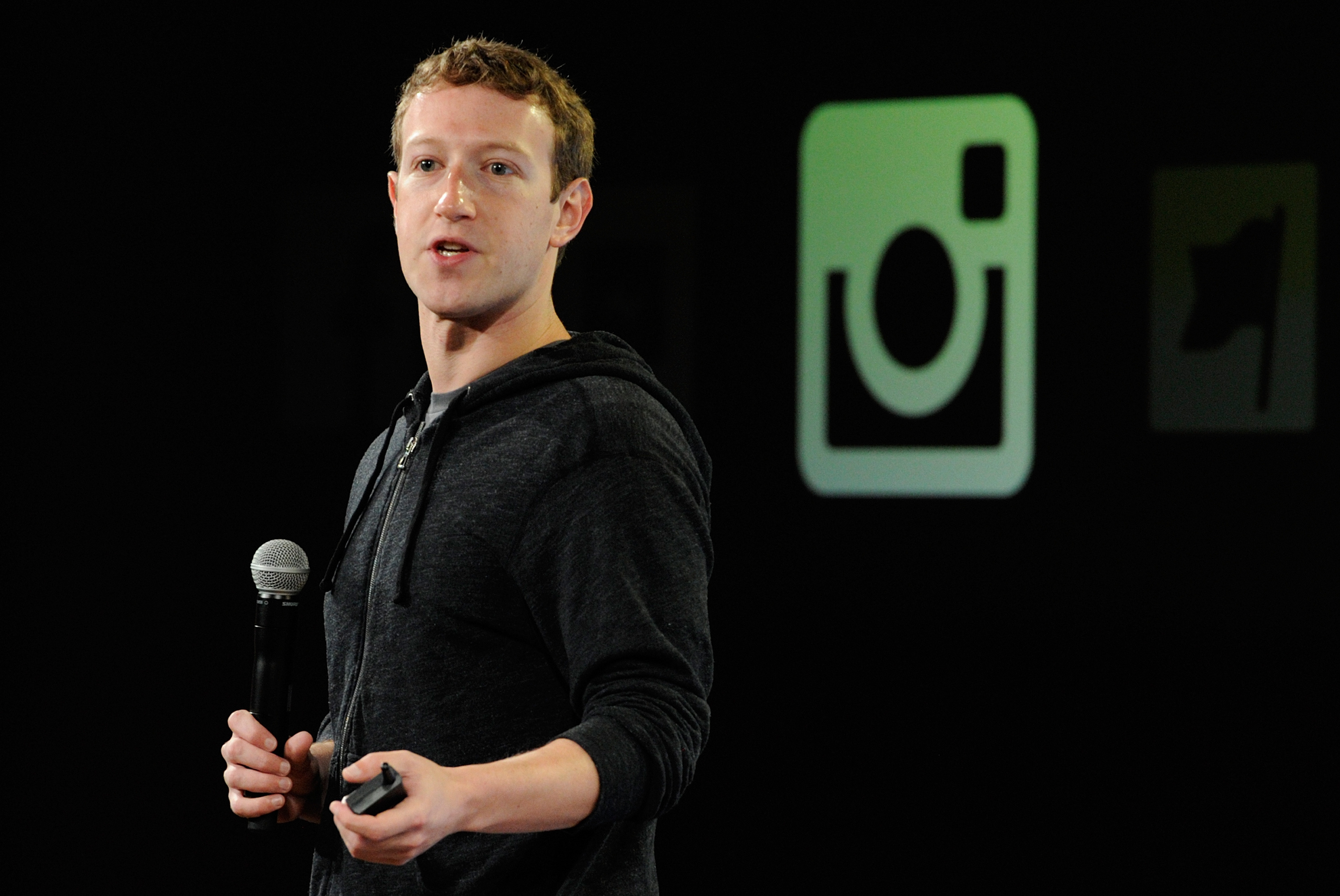
Instagram’s early days were fuelled by viral enthusiasm. Within hours of its launch, thousands downloaded the app. By its first year, it boasted 10 million users, a meteoric rise that caught the attention of Facebook’s Mark Zuckerberg. By 2012, Instagram was sold to Facebook for $1 billion, a sum that, at the time, felt audacious. For Instagram, this partnership provided the infrastructure to handle scale, but not without compromises. When Facebook’s ethos crept into Instagram’s operations, most notably through changes to its terms of service, it sparked outrage among its user base. Yet Instagram endured, adapting to video formats like stories to fend off competition from Snapchat.

TikTok’s journey was different but no less tumultuous. Built on Zhang’s mastery of data and algorithms, TikTok didn’t just react to user preferences; it actively shaped them. By 2020, it was the most downloaded app worldwide, but its ascent wasn’t without controversy. Allegations of censorship and concerns over data security painted it as a double agent of sorts, thriving on Western freedoms while operating under Eastern constraints.
The collision of Instagram and TikTok was inevitable. Both platforms were no longer just apps but cultural phenomena shaping how we consume, create, and connect. Once the darling of millennials, Instagram played catch-up to TikTok’s explosive Gen Z appeal. The challenge wasn’t just about features like reels or filters but about capturing and holding cultural relevance in a world that moved faster than ever.
In this battle for dominance, the stakes go beyond market share or user numbers. It’s a confrontation between philosophies. Instagram invites users to present an idealised version of themselves, while TikTok offers a chaotic, unfiltered mirror of real-time creativity. Their rivalry is more than a business story, it reflects the cultural and geopolitical forces shaping our world.
Roots of Ambition
The mid-1990s were a time of change in Fujian Province, China. Zhang Yiming, a middle school student, spent hours immersed in books and magazines in his bedroom. He was no ordinary teenager. Zhang’s curiosity ignited when his father brought home a bulky grey computer. Watching the screen flicker to life was more than a moment of wonder, it was the beginning of a journey that would eventually reshape the digital landscape.
In another part of the world, a young Kevin Systrom was also discovering the power of technology. Growing up in Holliston, Massachusetts, Systrom spent his days experimenting with the family’s first computer, customising video games and dabbling in coding. While Zhang’s world in China was influenced by a burgeoning economy opening to the West, Systrom’s life in suburban America reflected the privileges and opportunities of Silicon Valley’s growing tech industry.
These two young innovators were born worlds apart, yet their paths were destined to converge in a fierce competition that defined social media for a generation.
In 1995, Zhang Yiming was introduced to his family’s computer, a rare luxury in China. His librarian father encouraged curiosity, but Zhang’s early fascination went beyond simple exploration. He became enamoured with the idea of using technology to solve practical problems. This spirit of innovation would become his hallmark.
By 2009, Zhang had graduated with a degree in software engineering and founded 99Fang, a real estate search engine. But it wasn’t the platform’s success that caught his attention, it was the behaviour of his users. Zhang noticed a rapid migration from desktop computers to smartphones. He realised the future wasn’t just in mobile technology but in understanding user behaviour to predict what they wanted before they knew it themselves. This insight would lay the foundation for ByteDance and TikTok.
Meanwhile, on the other side of the globe, Kevin Systrom was charting his course. After teaching himself the basics of coding in high school, Systrom pursued a management science degree at Stanford, blending his technical skills with business acumen. His internships at cutting-edge startups like Odeo, where he worked alongside future Twitter co-founder Jack Dorsey, gave him a front-row seat to Silicon Valley’s culture of innovation. The lessons he absorbed there, about flexibility, the power of pivots, and the value of simplicity, shaped his entrepreneurial instincts.
By 2010, Systrom launched Burbn, a location-based app inspired by his love of fine whiskey. Though the app didn’t initially gain traction, its photo-sharing feature sparked interest. Encouraged by this glimmer of potential, Systrom teamed up with Mike Krieger, a fellow Stanford graduate, to refine the concept. Together, they created Instagram, an app that would revolutionise visual storytelling.
While Zhang’s early ventures explored the potential of artificial intelligence to anticipate user desires, Systrom focused on creating a platform that celebrated aesthetics. Zhang’s journey was rooted in problem-solving, whether it was programming an alert for train ticket availability or designing algorithms to personalise content. Systrom’s path was about transforming the mundane into the extraordinary, giving users tools to enhance their lives and share their stories.
Despite their different starting points, both men shared a guiding principle: the user experience was paramount. For Zhang, this meant building a platform that could serve endless streams of engaging content, an approach that would culminate in TikTok’s addictive, scrollable feed. For Systrom, it was about creating a clean, intuitive design that made sharing photos effortless, laying the groundwork for Instagram’s meteoric rise.
Their stories highlight the interplay of individual ambition and more extensive cultural forces. Zhang’s vision was shaped by China’s rapid embrace of technology and the government’s push for global competitiveness. Systrom’s success resulted from Silicon Valley’s unique ecosystem, where venture capitalists like Steve Anderson and Marc Andreessen funded big ideas and took risks on young entrepreneurs.
The release of the iPhone in 2007 was a turning point for both Zhang and Systrom. This sleek, revolutionary device not only put computing power in the palm of users’ hands but also created an entirely new industry: mobile apps. For Zhang, it opened doors to experiment with AI-driven applications. For Systrom, it provided a platform for Instagram’s launch in 2010, setting a new standard for social media.
As their respective platforms grew, the seeds of competition were sown. Instagram became synonymous with polished, curated content, while TikTok redefined entertainment by prioritising spontaneity and creativity. Each platform reflected its founder’s ethos, Systrom’s eye for elegance and Zhang’s mastery of data-driven insights.
Yet the story of these two visionaries is not merely one of rivalry. It is a testament to the power of imagination and the relentless pursuit of innovation. From Zhang’s modest beginnings in Fujian to Systrom’s experiments in suburban Massachusetts, their journeys reveal how technology can transcend borders, cultures, and industries.
Their shared ambition to harness the power of technology changed how people interact online and how we connect, create, and consume in an increasingly digital world.
The Art of Reinvention
In August 2016, Kevin Systrom and Mike Krieger, Instagram’s co-founders, anxiously watched their screens at Facebook’s Menlo Park, California headquarters. Their latest feature, Instagram Stories, had just gone live, a blatant imitation of Snapchat’s disappearing posts. The decision to replicate the feature was controversial, but the pressure to innovate, or at least stay competitive, was immense. Mark Zuckerberg had made it clear: Instagram couldn’t afford to fall behind.
For Systrom and Krieger, it was a defining moment. Stories represented a turning point, not just for Instagram but for how social media companies approached innovation. The mantra seemed to shift: if you can’t build it first, copy it well.
Meanwhile, across the Pacific, Zhang Yiming, founder of ByteDance, was working on a vision that would take a different approach. His new app, Douyin, harnessed the power of artificial intelligence to serve users endless streams of short, engaging videos. Launched in 2016, Douyin quickly gained traction in China, combining lip-syncing, dancing, and playful creativity into a seamless and addictive experience.
Zhang understood the mechanics of viral content. He’d observed how trends like “Gangnam Style” and the Mannequin Challenge swept through online culture. To ensure Douyin’s success, Zhang leveraged his algorithm to amplify user-generated trends, propelling them to the forefront of social media feeds. This approach was strategic. Viral challenges weren’t just a form of entertainment; they were a growth engine, drawing in millions of users hungry to participate and share.
The app’s success in China emboldened Zhang to think bigger. Douyin needed an international presence, but its name didn’t translate well for global audiences. Thus, in 2017, TikTok was born, a rebranded version of Douyin tailored for international markets. Zhang’s strategy wasn’t just to expand but to dominate.
Zhang’s ambitions collided head-on with the established order in Silicon Valley. By 2018, TikTok had absorbed Musical.ly, a US-based lip-syncing app with a massive tween following, effectively inheriting its user base. This bold acquisition signalled TikTok’s readiness to challenge Instagram and Snapchat on their home turf.
What set TikTok apart wasn’t just its format but its ethos. It wasn’t about presenting an idealised version of oneself, as Instagram encouraged. Instead, TikTok celebrated spontaneity, humour, and creativity. Its algorithm democratised visibility, allowing anyone’s post to go viral, regardless of their follower count. This inclusivity made TikTok appealing to Gen Z, a demographic that craved authenticity over polish.
At the same time, Instagram was grappling with internal tensions. Zuckerberg’s influence was becoming more pronounced, eroding the independence that Systrom and Krieger had once enjoyed. By 2018, their frustrations reached a breaking point. Citing creative differences, the pair resigned, leaving Instagram at a crossroads.
TikTok’s rise wasn’t without challenges. Its rapid growth was fuelled by aggressive advertising, often on rival platforms like Instagram and Facebook. ByteDance spared no expense, pouring billions into marketing and influencer partnerships to solidify TikTok’s presence in the West.
Yet, Zhang knew that growth alone wouldn’t be enough. To sustain its momentum, TikTok needed to embed itself into popular culture. Viral trends like dance challenges became a cornerstone of its strategy, attracting creators and viewers alike. These challenges weren’t just marketing gimmicks but community-building exercises that deepened user engagement.
At the heart of TikTok’s appeal was its algorithm, a masterpiece of AI engineering. Unlike Instagram or Snapchat, which relied heavily on social graphs, TikTok’s recommendation engine prioritised content over connections. This shift meant users didn’t need to follow anyone to enjoy a personalised experience. The app’s uncanny ability to surface videos tailored to individual tastes kept users scrolling for hours.
While TikTok flourished, Instagram faced an identity crisis. Its attempts to replicate TikTok’s success, such as the introduction of Reels, fell short. Reels lacked TikTok’s content’s vibrancy and cultural resonance, often feeling like a watered-down imitation.
The contrast between the two platforms extended beyond features. TikTok thrived on chaos and creativity, fostering an environment where trends evolved organically. Rooted in its curation and aesthetic perfection tradition, Instagram needed help adapting to this new paradigm. Its reliance on established influencers further distanced it from TikTok’s raw, unfiltered charm.
The rivalry between TikTok and Instagram is emblematic of a more significant shift in the tech industry. Innovation, once defined by originality, is now driven by reinvention. Companies no longer shy away from borrowing ideas; instead, they compete to execute them better.
The stakes for Zhang and TikTok are existential. Their rise challenges Instagram and the entire Western approach to social media. For Instagram, the fight against TikTok is a battle to retain relevance in a rapidly evolving digital landscape.
As these two platforms vie for supremacy, the outcome will shape the future of social media. Will authenticity trump curation? Will creativity outpace tradition? The answers will determine who wins this battle and how we connect, create, and share in the years to come.
The Power of the Algorithm
By late 2018, Mark Zuckerberg grappled with a landscape he once dominated. Facebook, long the unrivalled king of social media, was under siege. Data privacy scandals, disinformation, and the fallout from the 2016 election have tarnished the platform’s reputation. Yet, perhaps more troubling was the meteoric rise of a new rival: TikTok.
TikTok was no ordinary competitor. Its short video format, driven by a sophisticated recommendation algorithm, has captured the imaginations of Gen Z and beyond. The app’s numbers were staggering, with downloads surpassing Instagram, Facebook, YouTube, and Snapchat. For Zuckerberg, the battle wasn’t just about market share but a fight for relevance.
TikTok’s transformation into a cultural phenomenon wasn’t accidental. The app’s success was rooted in its ability to shape and amplify trends, a quality that became apparent with the rise of Old Town Road. In early 2019, the song by a relatively unknown artist, Lil Nas X, found its footing on TikTok through a challenge where users donned cowboy attire. The track’s infectious beat and meme-ready lyrics spread like wildfire, propelling it to the Billboard charts for 19 weeks.
This wasn’t merely a viral moment; it was a turning point. TikTok had cemented itself as a tastemaker in the music industry, with artists and labels vying to crack its algorithm. Unlike traditional platforms that relied on curated playlists or established networks, TikTok democratised discovery. Any user, regardless of their following, could create a viral hit.
Zuckerberg wasn’t content to watch from the sidelines. Determined to reclaim his dominance, he launched Lasso, a near-identical replica of TikTok. The app featured 15-second videos set to music, backed by licensing deals Zuckerberg had secured with significant record labels. However, the launch was underwhelming. By February 2019, Lasso had a meagre 70,000 downloads in the US, while TikTok racked up 40 million over the same period. The disparity was stark, and Zuckerberg’s defeat was public.
TikTok’s allure wasn’t just in its features, it was in the culture it fostered. Challenges, trends, and memes gave the app the electric vitality that Facebook’s offerings lacked. With its polished aesthetics and massive user base, even Instagram struggled to replicate TikTok’s raw, participatory energy. Reels, Instagram’s answer to TikTok, launched in 2020 but faced a lukewarm reception as users criticised it for lacking TikTok’s spark.
TikTok’s ascendancy wasn’t without hurdles. In early 2019, it faced a $5.7 million fine from the US Federal Trade Commission over allegations of illegally collecting data from minors. While significant, the fine was a minor setback for a company valued at billions. The app’s young user base remained largely unconcerned about privacy issues.
However, TikTok’s challenges weren’t limited to financial penalties. In India, its second-largest market, the app was temporarily banned over concerns about inappropriate content and safety risks for minors. In the US, lawmakers like Senator Marco Rubio began raising alarms about TikTok’s ties to China, citing potential data security and censorship concerns. These regulatory battles threatened to derail TikTok’s growth just as it was hitting its stride.
ByteDance, TikTok’s parent company, responded with a calculated charm offensive. Executives emphasised TikTok’s independence from Beijing, insisting that its data policies were led by a team based in the US. The app also launched initiatives highlighting its community impact, from fostering creativity to supporting small businesses.
The scrutiny TikTok faced wasn’t purely about data or censorship. It represented a more profound ideological clash between Silicon Valley’s tech giants and a rising Chinese powerhouse. Zuckerberg seized on this narrative, portraying Facebook as a defender of free expression while casting TikTok as a tool of authoritarian influence. In a high-profile speech at Georgetown University, he accused TikTok of censoring content related to the Hong Kong protests, a claim ByteDance denied.
This framing wasn’t without irony. Facebook, too, has been criticised for its role in spreading misinformation and undermining democratic processes. Yet Zuckerberg’s positioning resonated with US lawmakers already wary of China’s growing technological influence. By spotlighting TikTok, Zuckerberg sought to shift attention away from Facebook’s controversies.
By the end of 2019, TikTok was a global sensation, with 1.4 billion downloads and $18 billion in revenue. Yet its path forward was fraught with uncertainty. Regulatory scrutiny, geopolitical tensions, and competition from Facebook loomed large. For ByteDance founder Zhang Yiming, the challenge was clear: sustain TikTok’s growth while navigating an increasingly hostile environment.
Meanwhile, Zuckerberg faced a different dilemma. Instagram, his once-dominant platform, was losing cultural relevance among younger users. TikTok’s algorithm, community-driven content, and innovative features have redefined what social media could be. For Instagram to compete, it would need more than imitation and reinvention.
As the rivalry between TikTok and Instagram intensified, the stakes grew higher. This wasn’t just a battle between two apps, it was a contest to shape the future of digital interaction. The winner wouldn’t just capture users’ attention; they would define the next era of social media.
The Power Play
August 2020, nestled in the lavish Hollywood Hills, a mansion pulsed with music and laughter. The sway house, a breeding ground for TikTok’s brightest influencers, was alive with festivity. Bryce Hall, one of the platform’s brashest stars, stood in the kitchen, popping champagne for the cameras. It was business as usual for these social media celebrities, their parties a staple of LA’s influencer culture, even as the world grappled with a pandemic.
However, this was no ordinary evening. The LA police arrived, their patience worn thin by repeated noise complaints and flagrant disregard for public health guidelines. Hall met them with defiance, but the following day brought a harsh reality. The city had cut off the mansion’s utilities, leaving the sway house in darkness, literally and metaphorically. What had been a symbol of TikTok’s thriving ecosystem now faced an uncertain future. Yet, this confrontation was a prelude to a much larger battle that would pit TikTok against the United States government.
Zhang Yiming, founder of ByteDance, was no stranger to high stakes. By July 2020, TikTok had exploded to over two billion downloads, with 91 million monthly users in the US alone. But exponential growth brought scrutiny. US officials raised concerns about data security and the app’s potential ties to Beijing, painting TikTok as a national security risk.
TikTok became a target for then-President Donald Trump, not just for its alleged risks but also for its role in an embarrassing political debacle. In June, TikTok users and K-pop fans sabotaged a Trump rally in Tulsa by registering for tickets en masse and failing to show up, leaving empty seats. Stung by the humiliation, Trump began openly discussing a ban on TikTok, framing it as a stand against China’s influence.
In Beijing, Zhang watched the unfolding drama with disbelief and dread. Trump’s rhetoric escalated, culminating in an executive order that set a hard deadline: ByteDance had to sell TikTok’s US operations to an American company or face a ban. The request sent shockwaves through the tech world.
Amid the chaos, Mark Zuckerberg seized the opportunity to reposition Instagram. Already wary of TikTok’s rise, Facebook had launched and quickly abandoned a TikTok clone, Lasso. Now, Zuckerberg’s team worked feverishly on Reels, a short video feature embedded within Instagram. With TikTok facing potential exile, Reels was poised to capture the millions of users left adrift.
Zuckerberg wasn’t content with letting the market decide. In a congressional hearing on antitrust concerns, he subtly shifted the narrative, portraying TikTok as a growing Chinese threat to American tech supremacy. This deft manoeuvre reframed Facebook as a defender of US interests, even as its competitors accused it of monopolistic practices.
Meanwhile, Zhang scrambled to navigate the political minefield. ByteDance appointed Kevin Mayer, a former Disney executive, as TikTok’s CEO, hoping his credentials would lend credibility. Mayer launched a public relations campaign highlighting TikTok’s contributions to the US economy, from job creation to a $200 million fund supporting American creators. However, the strategy did little to assuage Washington’s concerns.
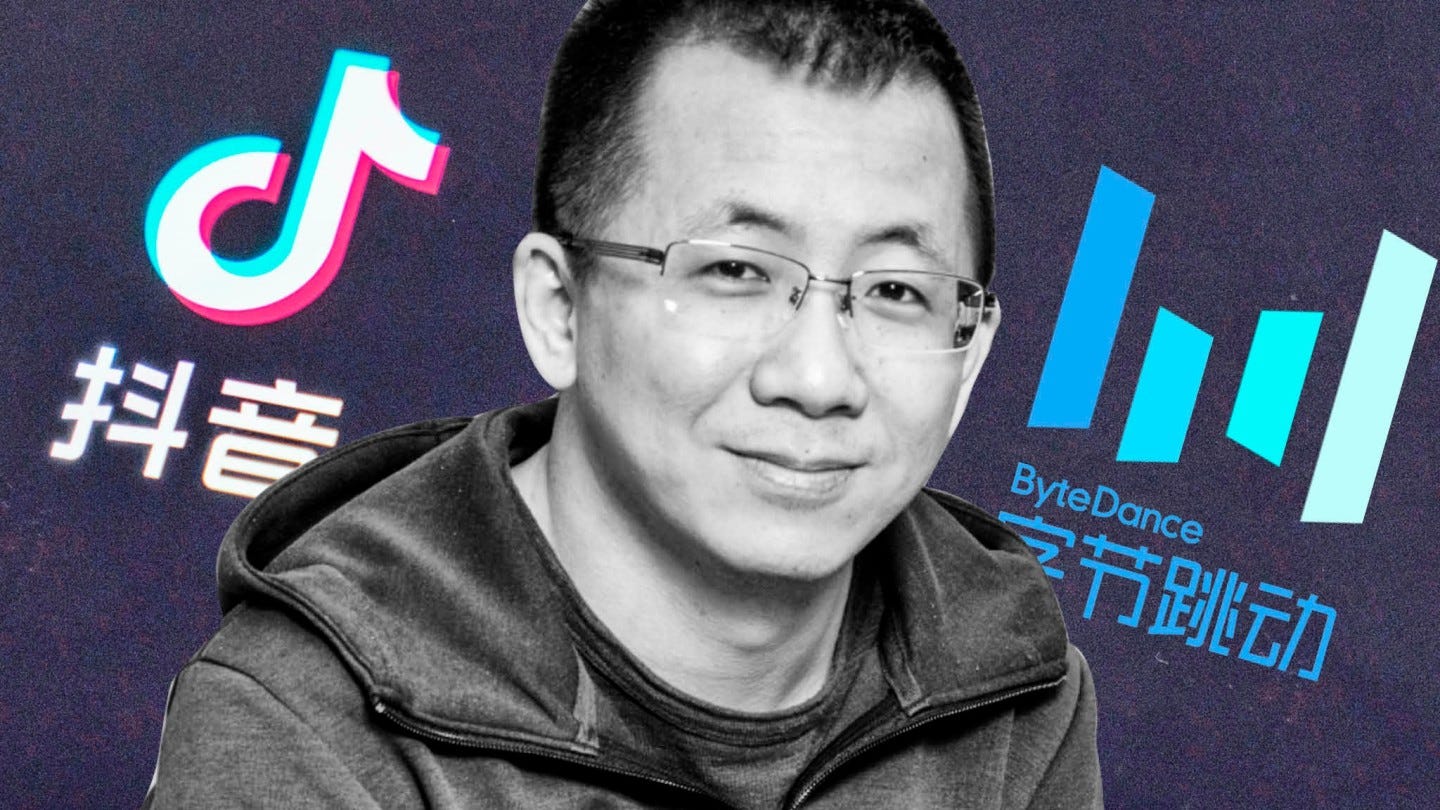
Zhang explored potential buyers for TikTok’s US operations behind the scenes. Microsoft emerged as a frontrunner, offering a deal to address security concerns by taking control of TikTok’s data. Oracle, known for its ties to the Trump administration, entered the fray. Yet, as negotiations intensified, Beijing countered with new export rules that complicated any transfer of TikTok’s algorithm, a move that underscored the app’s geopolitical significance.
For Zhang, the prospect of selling TikTok was a bitter pill. The app represented a rare victory for a Chinese tech company on the global stage. Still, with the clock ticking and mounting pressure from all sides, Zhang had little choice but to engage in talks.
As the September deadline loomed, a provisional deal emerged. Oracle and Walmart would take a minority stake in a new entity, TikTok Global, while ByteDance retained majority ownership. The arrangement seemed designed to satisfy both Washington and Beijing but left critical questions unresolved. Would the US government accept a deal that fell short of an outright sale? And could TikTok survive the turbulence?
While TikTok’s future hung in the balance, its competitors moved swiftly. Instagram’s Reels launched to a lukewarm reception, its content populated with reposts from TikTok bearing watermarks. Snapchat introduced a short video feature called Spotlight, while Triller, a US-based TikTok alternative, offered lucrative deals to lure influencers away. The social media landscape had become a battlefield, with each platform vying for dominance in the lucrative short video market.
Yet TikTok’s resilience surprised its detractors. Users rallied around the app, creating viral content to protest its potential ban. By November, the Trump administration’s efforts to force a sale faced legal challenges, and with Joe Biden’s election, the political winds began to shift. As 2021 approached, TikTok’s fate remained uncertain, but its place in the cultural zeitgeist was undeniable.
In this high-stakes game, the battle wasn’t just about market share, it was a contest of narratives, loyalties, and influence. The outcome would not only shape the future of social media but also redefine the balance of power between technology and geopolitics.
Beyond the Algorithm
By the end of 2020, TikTok had evolved far beyond its early image as a platform for lip-syncing teens. It had become a cultural juggernaut, a confluence of entertainment, activism, and innovation. While Instagram once defined the art of carefully curated lives, TikTok offered something radically different: an unpredictable, participatory experience fuelled by its algorithm. It wasn’t just another app but a cultural phenomenon that reshaped how people connected with ideas, trends, and one another.
Yet, as TikTok surged in popularity, it was also in uncharted waters. TikTok’s Chinese ownership drew scrutiny and suspicion in an era when data privacy and geopolitics were increasingly intertwined. Under the Trump administration, the United States government placed the app squarely in its crosshairs, framing it as a national security risk. This marked a critical inflexion point, not just for TikTok but for the entire social media landscape.
At first glance, it seemed curious that a short video platform could ignite such a political firestorm. However, TikTok’s rise came during heightened tensions between the United States and China as economic and technological rivalries sharpened. The app’s success in capturing the attention of millions of Americans underscored its influence. Still, it also raised uncomfortable questions about the potential misuse of data and the reach of Beijing’s influence.
For TikTok, the stakes were existential. As the Trump administration moved to ban the app or force its sale to a US company, TikTok’s parent firm, ByteDance, was forced into a delicate dance. Behind the scenes, negotiations with potential buyers like Microsoft and Oracle unfolded at a breakneck pace. At the same time, the company’s executives scrambled to position TikTok as an essential part of American digital culture. They highlighted the app’s role in fostering creativity, empowering small businesses, and even revitalising the music industry.
TikTok wasn’t just fighting for survival, it was fighting for legitimacy.
Meanwhile, Instagram, TikTok’s most formidable competitor, faced its existential challenge. Owned by Facebook, Instagram had long been the go-to platform for visual storytelling. However, as TikTok captured the hearts of Gen Z, Instagram’s dominance began to wane. Mark Zuckerberg, never one to shy away from adopting competitors’ ideas, responded with Instagram Reels, a short video feature designed to mimic TikTok’s functionality.
The rollout of Reels was aggressive, with the feature prominently displayed on Instagram’s interface. However, it lacked the very essence that made TikTok compelling. Reels didn’t replicate TikTok’s sophisticated recommendation engine or foster the same sense of serendipitous discovery. Critics noted that Instagram, rooted in static posts and curated aesthetics, was ill-equipped to match TikTok’s ethos of spontaneity and creativity.
Nevertheless, Instagram’s vast user base and deep integration with Facebook’s advertising infrastructure made it a formidable player. While TikTok thrived on unpredictability and viral trends, Instagram doubled down on commerce, incorporating advanced shopping features that promised lucrative opportunities for creators and brands.
What truly set TikTok apart wasn’t just its algorithm and participatory culture. On TikTok, creativity begets creativity. A simple video of someone skateboarding to Fleetwood Mac’s Dreams could spark thousands of imitations, each with its unique twist. This culture of collaboration and reinvention turned ordinary users into overnight celebrities, creating a level of engagement that Instagram struggled to replicate.
This participatory spirit extended beyond entertainment. TikTok became a political discourse and activism platform during the Black Lives Matter protests and the US presidential election. Young users rallied around causes, amplified messages, and even disrupted political events, demonstrating the app’s power to mobilise communities in real time.
Yet this newfound influence also brought challenges. Like Facebook before it, TikTok grappled with misinformation and content moderation issues. As its role in shaping public opinion grew, so did the scrutiny over how it managed its digital ecosystem.
As 2021 dawned, the rivalry between TikTok and Instagram showed no signs of abating. TikTok’s survival was far from guaranteed, with geopolitical pressures and legal battles continuing to shadow its future. At the same time, Instagram faced the daunting task of reinventing itself for a generation that prioritised authenticity and immediacy over polish.
The clash between these two platforms wasn’t just a contest for market share, it was a battle to define the next chapter of social media. On one side stood Instagram, representing the legacy of curated perfection and commercial integration. On the other was TikTok, a chaotic yet exhilarating space where creativity thrived, and anything seemed possible.
Ultimately, the winner of this battle would capture users’ attention and shape how we connect, create, and communicate in the digital age.
Corporate Clashes Series by Samuel H. Vance
‘TikTok or Instagram: A Fight for Followers’ is a serialised extract from Samuel H. Vance’s Corporate Clashes series of books.
You can order Corporate Clashes on Amazon
