

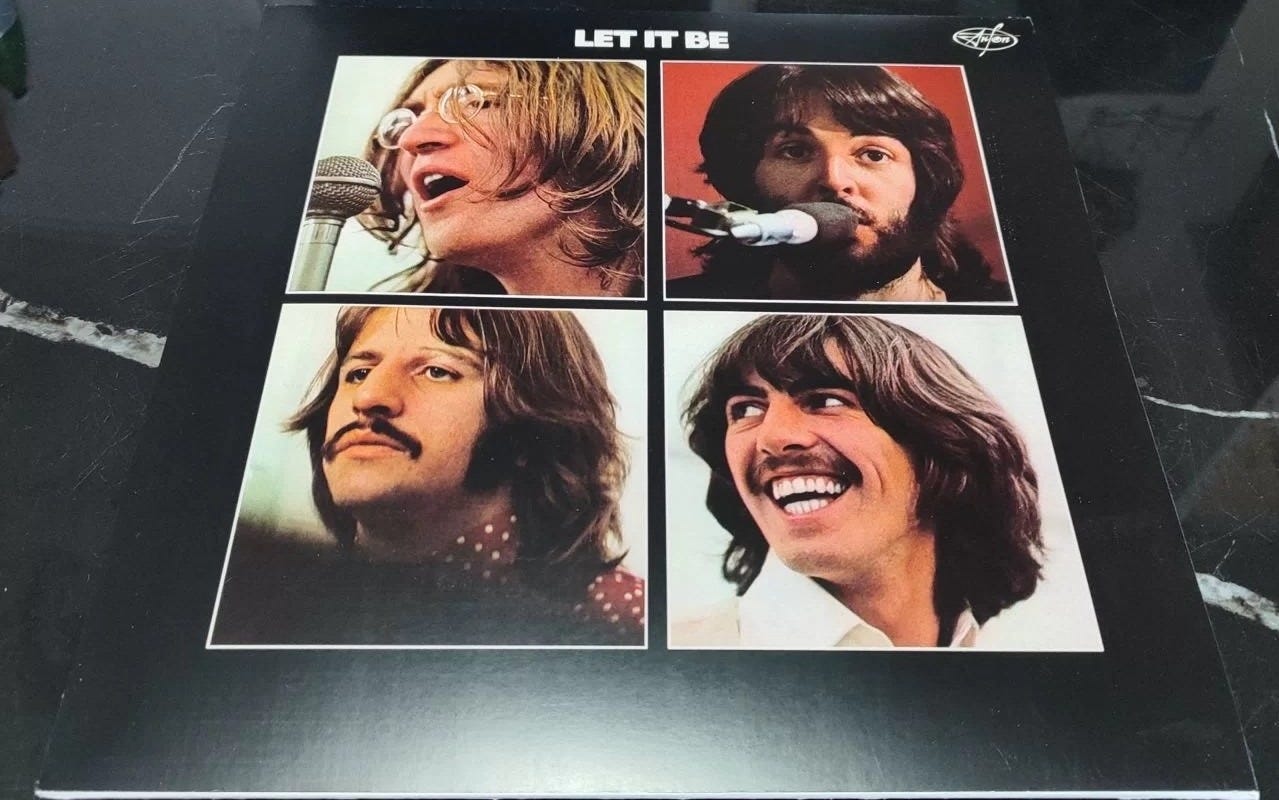
The 8th of May, 1970, was a bittersweet day for Beatles fans. The iconic band released their final album, Let It Be, marking the end of an era in music. The record, which would go on to become one of the best-selling albums of all time, was emblematic of both the band’s creative genius and the profound tensions that had led to their eventual disbandment. On this day, the music world would bid farewell to one of the greatest bands of all time, unaware that the Beatles’ dissolution was already becoming inevitable.
The Last Echo of a Once Harmonious Group
By 1970, the Beatles had become an institution, but behind the scenes, cracks had been forming for years. From the early days of Beatlemania in the 1960s, their chemistry was undeniable. However, as time passed, the group’s once seamless unity began to fracture. The pressures of fame, changing personal dynamics, and evolving musical ambitions had caused friction within the band. While each of the Beatles brought their unique talents and visions to the table, these differences slowly eroded the collaborative spirit that had once made them unstoppable.
The creation of Let It Be was riddled with conflict. The project began in early 1969 with the aim of making a documentary film, capturing the band as they recorded their new album. Yet, the reality was far from the carefree, harmonious recording sessions the world had come to expect from the Beatles. Tensions between Paul McCartney and George Harrison were escalating. McCartney, often the driving force behind the band’s music during the latter years, clashed with Harrison, whose songwriting had been relegated to the background. Harrison was increasingly frustrated by the lack of attention given to his compositions, and his growing sense of disillusionment would become a significant factor in the band’s eventual downfall.
One of the key moments that highlighted the band’s fractures was the infamous “Rooftop Concert” in January 1969. On a cold January day, the Beatles took to the roof of the Apple Corps building in London for an impromptu performance. The unannounced gig, played for a small audience and captured on film, was the last time the Beatles would ever perform together in front of a live crowd. While the rooftop concert would later be immortalised as one of the most iconic moments in music history, it was also a symbol of the band’s deteriorating relationship.
For George Harrison, it was a reluctant return to live performing. He had grown increasingly disenchanted with the band’s direction, preferring the solitude of the studio. His discontent, combined with the growing rift between McCartney and John Lennon, made it clear that the Beatles were on borrowed time. Even though the performance was a triumph in terms of fanfare, behind closed doors, it marked the beginning of the end.
A Tense Recording Process
The recording of Let It Be continued amidst tension. The band had to endure numerous arguments and disagreements, especially during sessions at Twickenham Film Studios, where they initially tried to work on new material. McCartney, determined to keep the band together, attempted to steer the group back into creative unity. However, his persistent involvement in the finer details of their music, combined with his frustration over Harrison’s lack of contribution, added to the growing animosity.
In one notable incident, McCartney grew visibly frustrated when Harrison failed to follow his instructions, leading to a heated exchange between the two. Harrison’s response was one of resentment, and after walking out on the band briefly, it was clear that the emotional toll of being in the Beatles was becoming too much for him. McCartney, ever the perfectionist, also struggled with his relationship with Lennon, whose attention was often diverted to his partner, Yoko Ono. Lennon’s growing need for her presence during recording sessions only added to the strain within the band. Despite these tensions, the recording of Let It Be continued.
However, as the sessions wore on, it became increasingly clear that the band’s creative differences were too great to resolve. The group’s frustration was palpable, with the album’s recording process now marked by conflict, rather than the joy of creation that had once defined their sessions. This sense of discord was further compounded by the involvement of famed producer Phil Spector, who was brought in to give the album a polished finish. While his contributions would eventually shape Let It Be, not all members of the band were pleased with his approach. McCartney, in particular, had issues with Spector’s orchestral additions to his song “The Long and Winding Road”, feeling they detracted from the simplicity he had envisioned.
Let It Be – A Legacy Defined by Uncertainty
Released on May 8th, 1970, Let It Be arrived in a climate of uncertainty. The record, which was largely the product of tumultuous recording sessions, contained some of the Beatles’ most poignant and emotionally charged tracks. Songs like “Across the Universe” and “Let It Be” were a testament to the band’s enduring brilliance, even as internal strife clouded their creative process. Despite the personal conflicts, Let It Be still encapsulated the spirit of the Beatles, offering glimpses of the magic that had defined them.
However, the album also carried the weight of impending separation. The title, Let It Be, seemed almost prophetic, suggesting that the time had come for the Beatles to move on from one another. The final track on the album, “The End”, was a fitting closer, yet no one knew at the time that it was the final Beatles recording session.
While fans clung to the hope that the Beatles might reunite, the reality was that their creative differences had reached a breaking point. Paul McCartney, frustrated by the ongoing tension, was the first to publicly signal the end of the group. In April 1970, McCartney made a statement to the press confirming his decision to leave the Beatles. The announcement was met with shock and disbelief, but the writing had been on the wall for some time. The Beatles, it seemed, were no longer the cohesive unit they had once been.
The Beatles’ Breakup and Beyond
Though Let It Be was released in May 1970, the finality of the Beatles’ disbandment was officially sealed later that year. In December 1970, McCartney filed a lawsuit to dissolve the band, citing irreconcilable differences. Despite the band’s personal struggles, Let It Be remains a crucial part of their legacy, symbolising both the brilliance and the unraveling of the Beatles.
The years following the breakup saw each member of the Beatles embark on their solo careers. While they would continue to collaborate in various forms, the magic of the Fab Four was gone. Lennon’s tragic death in 1980 put an end to any hopes of a reunion, leaving Let It Be as the band’s swan song.
Even now, Let It Be serves as a reminder of the impermanence of musical greatness. It reflects a time when the Beatles were at their creative peak but also at their most fragile. It is a paradox: an album that stands as a testament to their genius but also a poignant reminder that even the greatest of partnerships must eventually come to an end.