

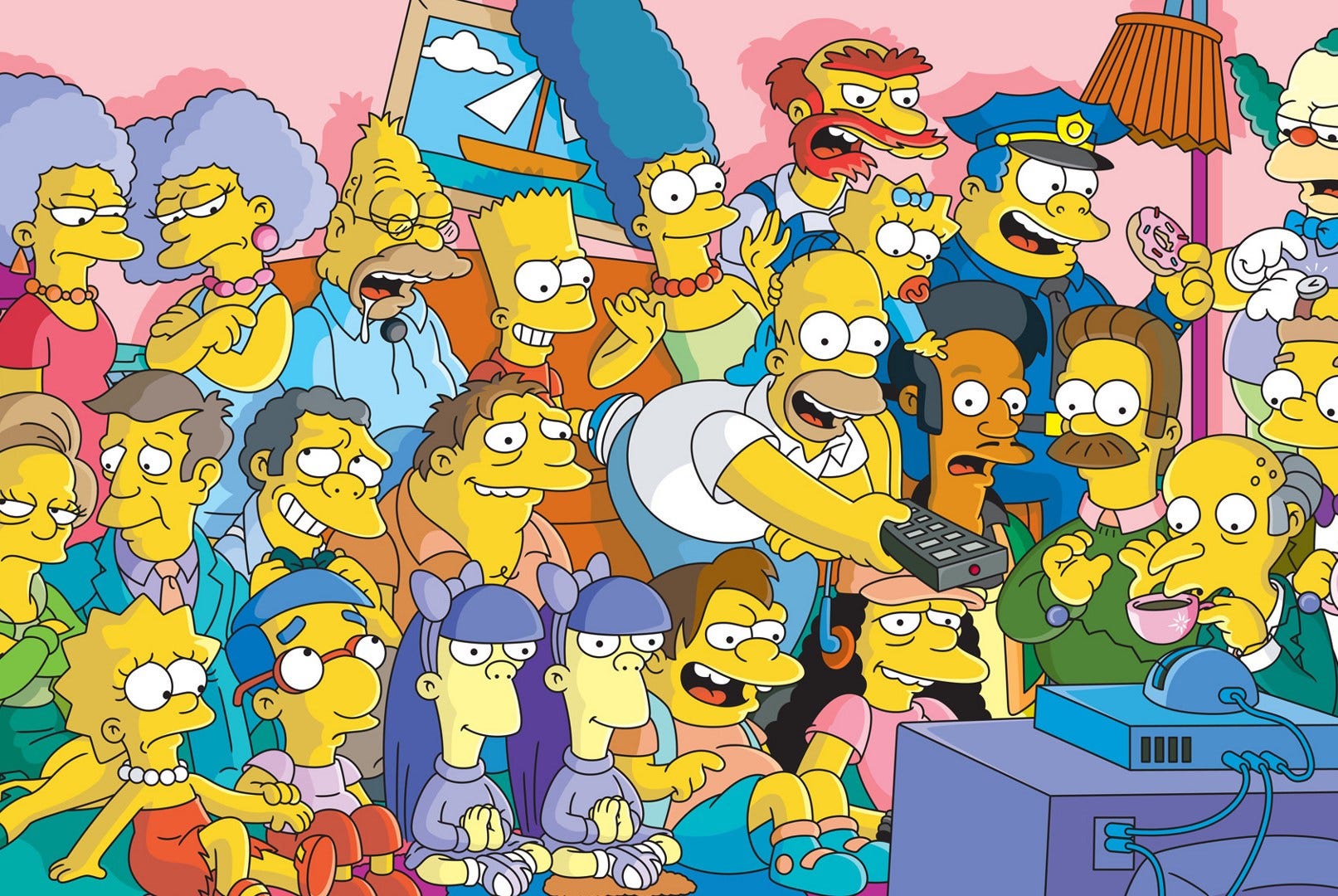
On This Day, February 9, 1997, an animated sitcom did something no one had seriously expected when it first lurched onto television screens in the late 1980s. The Simpsons became the longest-running prime-time animated series in American television history. That bare fact sounds neat and commemorative, but it understates what really happened. This was not merely longevity rewarded. It was a moment when television had to accept that a cartoon had outgrown its category and settled into the culture itself.
By 1997, the show had already travelled a long road from crude drawings and uncertain beginnings to something sharper, richer, and far more ambitious. The achievement marked that evening was not about survival alone. It was about how comedy, satire, and popular art could coexist in a form once dismissed as disposable.
This anniversary deserves attention because it tells us something about how modern television learned to take risks, and how audiences learned to grow up alongside a programme that refused to stay still.
Bartmania and early cultural shock
It is easy to forget how strange the early success felt at the time. In the early 1990s, Bart Simpson was everywhere. His spiky silhouette stared from T shirts, lunchboxes, posters, and shop windows. Catchphrases were repeated until they lost their novelty and then repeated again. Parents worried about manners, politicians tutted, and cultural guardians shook their heads.
This frenzy mattered because it revealed a hunger that television had not properly acknowledged. Here was a cartoon aimed at adults without pleading for approval. It spoke in jokes that children enjoyed and adults understood on a different level. The humour was brash, sometimes noisy, and often wilfully disrespectful, yet it carried a strange honesty beneath the gags.
Bartmania did not last, and it was never going to. Fads burn themselves out. What endured was the shift that followed, when attention moved away from the rebellious child and towards the flawed adult at the centre of the family. Homer Simpson, foolish, selfish, affectionate, and occasionally profound, became the engine of the show. In him, viewers recognised something uncomfortable and familiar. Comedy rooted in recognisable failure tends to last longer than comedy built on attitude alone.
Prime time animation grows up
By the mid 1990s, the series had found its voice. The stories grew bolder, the references sharper, and the satire more confident. It no longer borrowed the language of family sitcoms, it dismantled them. Television itself became a target, as did politics, celebrity culture, corporate thinking, and the idea that entertainment should always reassure its audience.
This was prime time animation behaving like literature in short form. Episodes could be silly one week and unsettling the next. Jokes flew thick and fast, but beneath them sat an understanding of character that many live action comedies never achieved. Springfield felt alive because it was crowded with contradictions. No one was purely good or irredeemably bad. Everyone muddled through.
This period is often spoken about as a golden age, and that label sticks because it reflects confidence rather than nostalgia. The writers trusted their audience to keep up. They trusted themselves to take risks. They even trusted the show to make jokes about its own success, a dangerous habit that few programmes survive.
Episode 167 and self awareness
The episode that aired on February 9, 1997 was not a victory lap. It was a self directed glance in the mirror. By parodying the internal panic of a fictional cartoon struggling to stay relevant, the show acknowledged the pressure of its own success. Executives meddle, fans complain, creators compromise, and sometimes everyone pretends not to notice what has been lost.
That choice mattered. Rather than presenting itself as untouchable, the show admitted vulnerability. It recognised that popularity carries its own dangers, and that endless continuation is not automatically a virtue. The humour landed because it was aimed inward as much as outward.
In doing so, the series crossed a rare threshold. It stopped being just entertainment and became commentary on entertainment itself. Television had seen satire before, but rarely had it come from within a format so commercially successful. This balance between self criticism and survival helped explain why the programme endured beyond this point, even as arguments about quality grew louder.
Legacy beyond longevity
Whether one believes the series peaked in the 1990s or carried its brilliance further is beside the point. By 1997, the damage, or the gift, had already been done. Animation was no longer confined to children’s schedules or novelty slots. Networks took chances on ideas that would once have been laughed out of boardrooms. Writers learned that intelligence and popularity did not have to be enemies.
The influence spread quickly. Animated comedies that followed owed a clear debt, even when they tried to deny it. More importantly, live action television absorbed the lesson too. Sitcoms became stranger, sharper, and more willing to upset expectations. Audiences, having been trusted once, expected it again.
There is also something quietly important about the family at the centre of it all. For all the satire, the show never abandoned the idea that these people belonged together. Their world was absurd, but their bonds held. That emotional anchor allowed the jokes to travel further and cut deeper without collapsing into cruelty.
Why February 9 still matters
Anniversaries invite sentiment, but this one rewards reflection. February 9, 1997 marked a point where television history bent slightly out of shape. A cartoon, once treated as filler, claimed its place in the prime time record books and forced the industry to admit it had misjudged its own audience.
On This Day, it is worth remembering that innovation often arrives looking unfinished, noisy, or faintly disrespectful. It rarely asks permission. The Simpsons did not succeed because it chased approval. It succeeded because it trusted its voice, survived its own popularity, and understood that laughter works best when it tells an uncomfortable truth.
That is why the date still resonates. Not because a record was broken, but because television learned something about itself, and could not unlearn it.