

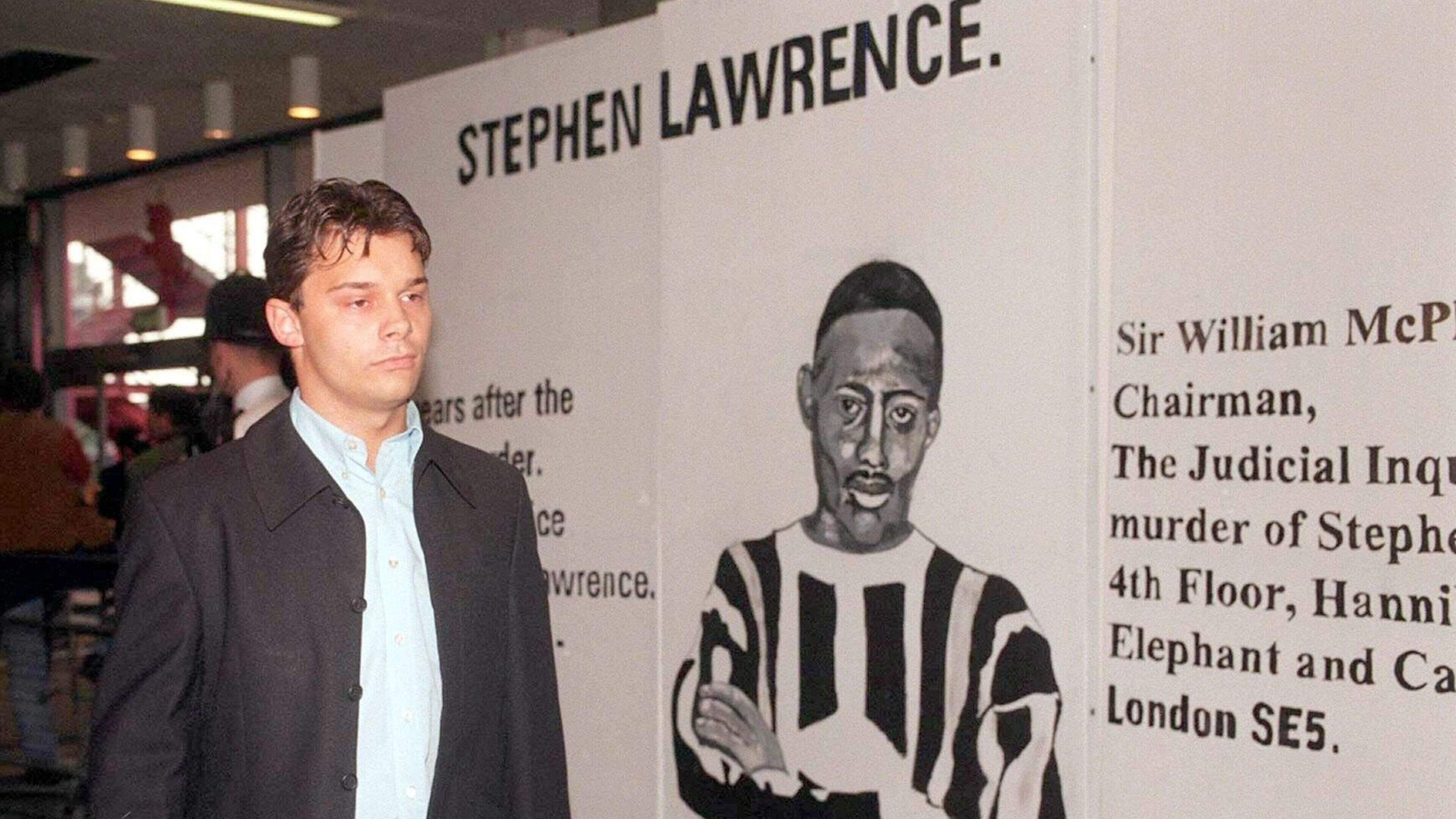
On this day in 1993, a cold bus stop in south-east London became the setting for one of the most consequential crimes in modern British history. Stephen Lawrence, an 18 year old with ambitions of becoming an architect, was waiting for a bus with his friend Dwayne Brooks. They had done nothing remarkable that evening, nothing to invite danger. Yet within minutes, a group of young men approached, shouting abuse, and launched a violent, unprovoked attack.
Stephen was stabbed and left bleeding on the pavement. He would never reach hospital. The brutality of the act was shocking, but what followed would prove just as disturbing. This was not simply a murder, it was the beginning of a long, painful exposure of institutional failure.
Failures That Deepened the Wound
In the immediate aftermath, there were chances to act swiftly and decisively. Those chances were missed. Police on the scene failed to prioritise life saving measures. Basic investigative steps were neglected. Witness accounts, particularly those of Dwayne Brooks, were treated with suspicion rather than urgency.
Within days, names of suspects circulated. Gary Dobson, David Norris, Neil Acourt, Jamie Acourt and Luke Knight were known locally, their reputations for racist violence hardly secret. Yet arrests were delayed, evidence handling faltered, and momentum drained from the case.
What should have been a focused criminal investigation drifted into something slower, less certain. For the Lawrence family, grief soon gave way to disbelief. The sense that justice was slipping through their fingers became impossible to ignore.
Family Determination Against the Odds
At the heart of this story stands the unyielding resolve of Doreen Lawrence and Neville Lawrence. Refusing to accept official inaction, they pursued a private prosecution, an extraordinary and risky step in British law.
They were not lawyers, nor campaigners by trade. They were parents, forced into a fight they had not chosen. Their determination brought fresh scrutiny to the case and kept it alive when it might otherwise have faded into obscurity.
Public support grew. Questions became louder. Why had obvious leads not been pursued properly? Why had assumptions been made about the victims rather than the suspects? The case began to symbolise something larger than a single crime. It pointed to a deeper problem within the system itself.
Justice Delayed, Not Denied
Years passed. Trials collapsed. Suspects walked free. For many, the case seemed to confirm a grim reality that justice could be avoided through incompetence or worse.
Then came a turning point. A public inquiry laid bare what many had suspected. The investigation had been marred by professional failings and what was described as institutional racism. This was not a minor criticism. It was a profound indictment of the structures meant to protect the public.
Legal reform followed. One of the most significant changes was the revision of double jeopardy laws, allowing cases to be retried when new and compelling evidence emerged. It was a shift that would reopen the door the Lawrence family had been pushing against for years.
Advances in forensic science provided that evidence. Microscopic traces, once dismissed as insignificant, told a new story. In 2012, nearly two decades after the murder, Gary Dobson and David Norris were convicted.
The verdict brought a measure of justice, though never closure. Stephen’s life, his ambitions, his future, remained lost.
Legacy That Changed Britain
The murder of Stephen Lawrence did more than expose individual guilt. It forced a nation to confront uncomfortable truths about race, policing and accountability. It changed procedures, influenced legislation and reshaped public discourse.
Doreen Lawrence continued her work in public life, eventually taking a seat in the House of Lords, ensuring that her son’s name remained linked to progress rather than only tragedy. The case also encouraged broader awareness of how systemic issues can distort justice, not through overt acts alone, but through neglect, bias and assumption.
There is a temptation to see this story as one with a clear ending, a conviction, a reform, a lesson learned. That would be too simple. The real significance lies in its persistence. It continues to challenge institutions and individuals alike to examine how justice is pursued and who it serves.
Enduring Questions From April 22
On this day in 1993, a young man’s life was taken in seconds. The consequences unfolded over decades. What stands out is not only the cruelty of the attack, but the long struggle required to secure accountability.
It raises questions that remain relevant. How quickly do systems respond when the victims are marginalised? How often are early failures allowed to compound into lasting injustice? And how much determination is required to correct those failures once they take hold?
The story of Stephen Lawrence is not simply one of loss. It is a measure of how a society responds when confronted with its own shortcomings. Progress came, but it came slowly, driven not by institutions at first, but by the persistence of a family who refused to let the truth be buried.
That is why April 22 still matters. Not as a date fixed in history, but as a reminder that justice, when delayed, demands even greater resolve.