

History rarely turns on a single moment. More often, it gathers weight in silence, in neglect, in decisions made too late or not at all. On this day in 1971, the declaration of Bangladesh’s independence was not simply an act of political will. It was the inevitable release of pressure that had been building for years, sharpened by tragedy and sealed by violence.
Cyclone and neglect reshape a nation
The origins of Bangladesh lie, in part, in wind and water. In November 1970, the Bhola cyclone tore through East Pakistan with merciless force. Entire communities vanished beneath a towering surge. Families who had done what they could, boarding windows, gathering loved ones, hoping that brick might withstand what wood could not, were swept away in minutes.
The true scale of the disaster was almost beyond comprehension. Hundreds of thousands died. Survivors were left not only with grief but with a growing sense of abandonment. Relief from the central government in West Pakistan arrived slowly, and when it came, it felt insufficient. Distance, both geographic and political, became impossible to ignore.
In moments like this, a government reveals its priorities. For many in the east, the conclusion was stark. They were citizens in name, but not in care.
Election victory denied
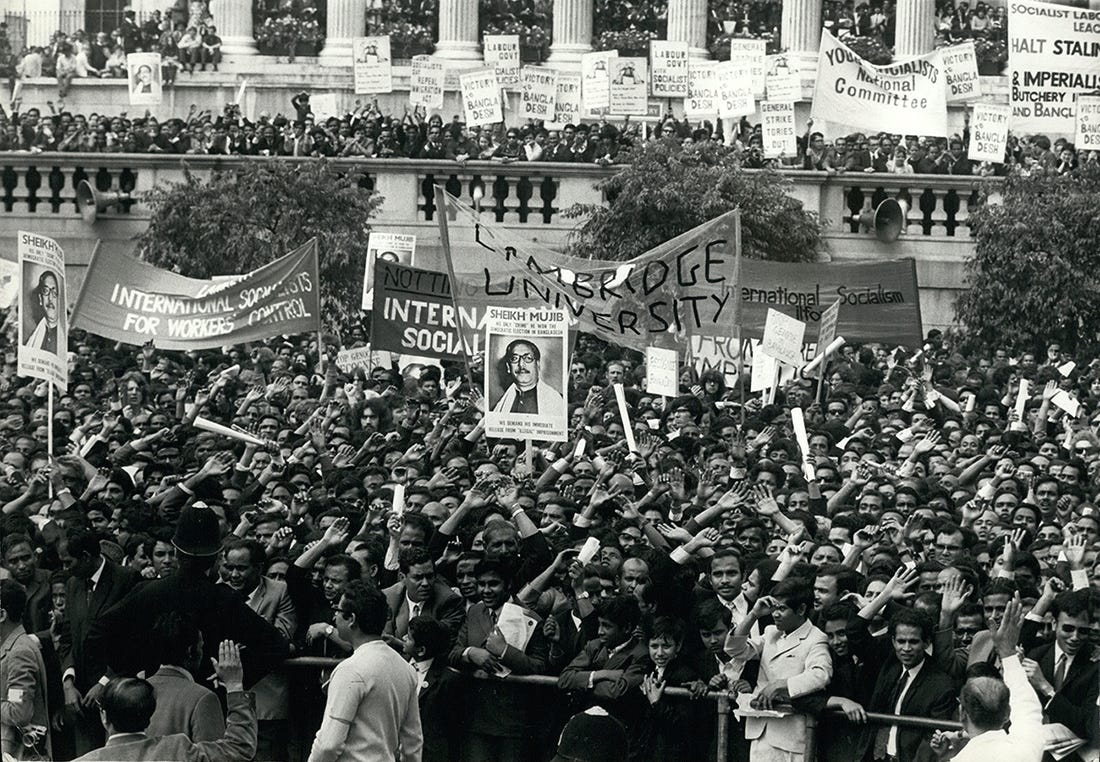
Out of that anger came a democratic reckoning. In December 1970, Pakistan held a general election, a rare loosening of military control. The result should have been decisive. Sheikh Mujibur Rahman, widely known as Mujib, led the Awami League to a sweeping victory, securing a clear majority in the National Assembly.
It was, on paper, a mandate to govern the whole of Pakistan.
Yet power does not always yield to ballots. The political establishment in the west hesitated, then resisted. The assembly was postponed. Negotiations stalled. What should have been a transfer of authority became a slow unravelling of trust.
For the people of East Pakistan, the message was unmistakable. Their votes counted only when they aligned with the interests of those already in control.
Mujib himself initially urged restraint. Independence was not his first demand. He sought autonomy, fairness, recognition of the democratic result. But events were moving faster than moderation could manage.
Crackdown and declaration
By March 1971, the situation had reached breaking point. In the early hours of the 26th, the Pakistani military launched a full scale crackdown across East Pakistan. Troops moved into cities, communications were severed, and arrests began with ruthless efficiency.
What followed was not merely the suppression of dissent but a campaign marked by brutality. Civilians were targeted. Intellectuals, students, and political figures were swept up in the violence. The hope of a negotiated settlement collapsed overnight.
It was in this atmosphere, with gunfire echoing through Dhaka, that Mujib made his final move. Before his arrest, he issued a call that would define a nation. East Pakistan, he declared, was no longer part of Pakistan. It was Bangladesh.
The declaration itself was brief, almost stark in its simplicity. Yet its significance was immense. It transformed a political crisis into a war of liberation.
War of liberation reshapes South Asia
Independence, once declared, had to be defended. What followed was a war marked by resilience and sacrifice. Fighters emerged from all walks of life. Some organised into units, others struck as guerrillas, disrupting supply lines and targeting military positions.
Operations in key locations, including attacks on ships in Chittagong harbour, dealt strategic blows and lifted morale. Each success reinforced the belief that independence was achievable.
The Pakistani military response remained severe, and the human cost continued to rise. Reports of atrocities spread, drawing global attention. The conflict could no longer be contained within Pakistan’s borders.
India’s intervention proved decisive. Once its forces entered the war, the balance shifted rapidly. Pakistani forces, already stretched, began to lose ground. Within weeks, their position collapsed.
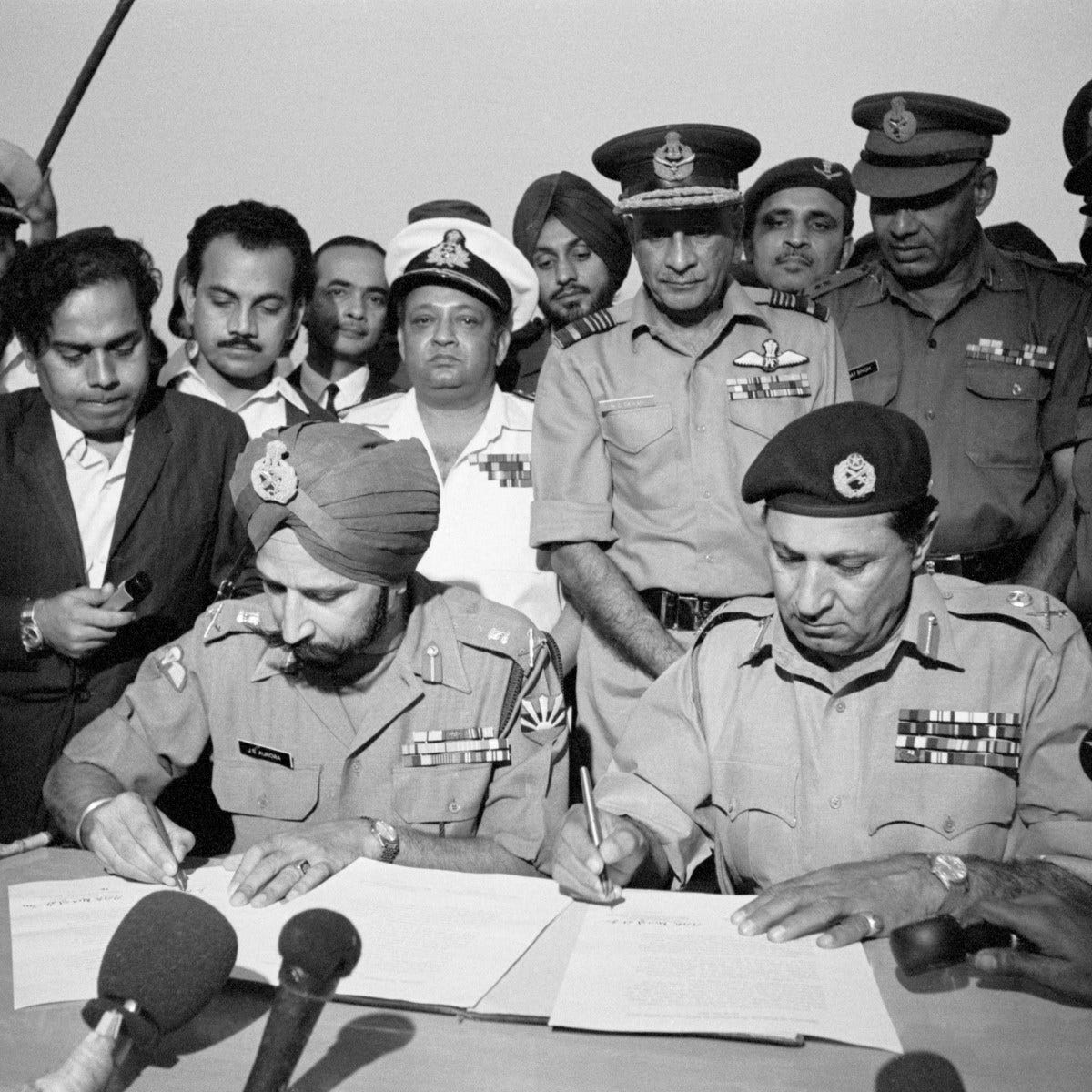
In December 1971, surrender followed. Bangladesh emerged as a sovereign nation, though scarred by immense loss.
Mujib, released from imprisonment, returned to a hero’s welcome in January 1972. He would go on to lead the country as it began the difficult work of rebuilding. His later assassination in 1975 would cast a long shadow, yet his role in the birth of Bangladesh remains central.
Meaning of March 26 in modern history
Independence days often carry pride, but also reflection. March 26, 1971 stands as a reminder of how fragile unity can be when fairness is denied.
Bangladesh was not created by a single speech or a single battle. It was shaped by accumulated grievances, by the pain of disaster mismanaged, by the frustration of a democratic mandate ignored, and by the harsh reality of armed conflict.
Looking back, the declaration feels inevitable. A line drawn after too many warnings went unheeded.
On this day, the people of Bangladesh did more than claim independence. They asserted that their voices, long dismissed, would define their future. History, in that moment, belonged to them.