

History does not always arrive with ceremony. Sometimes it walks into a courtroom quietly, speaks a few words, and leaves behind a silence that carries the weight of an era.
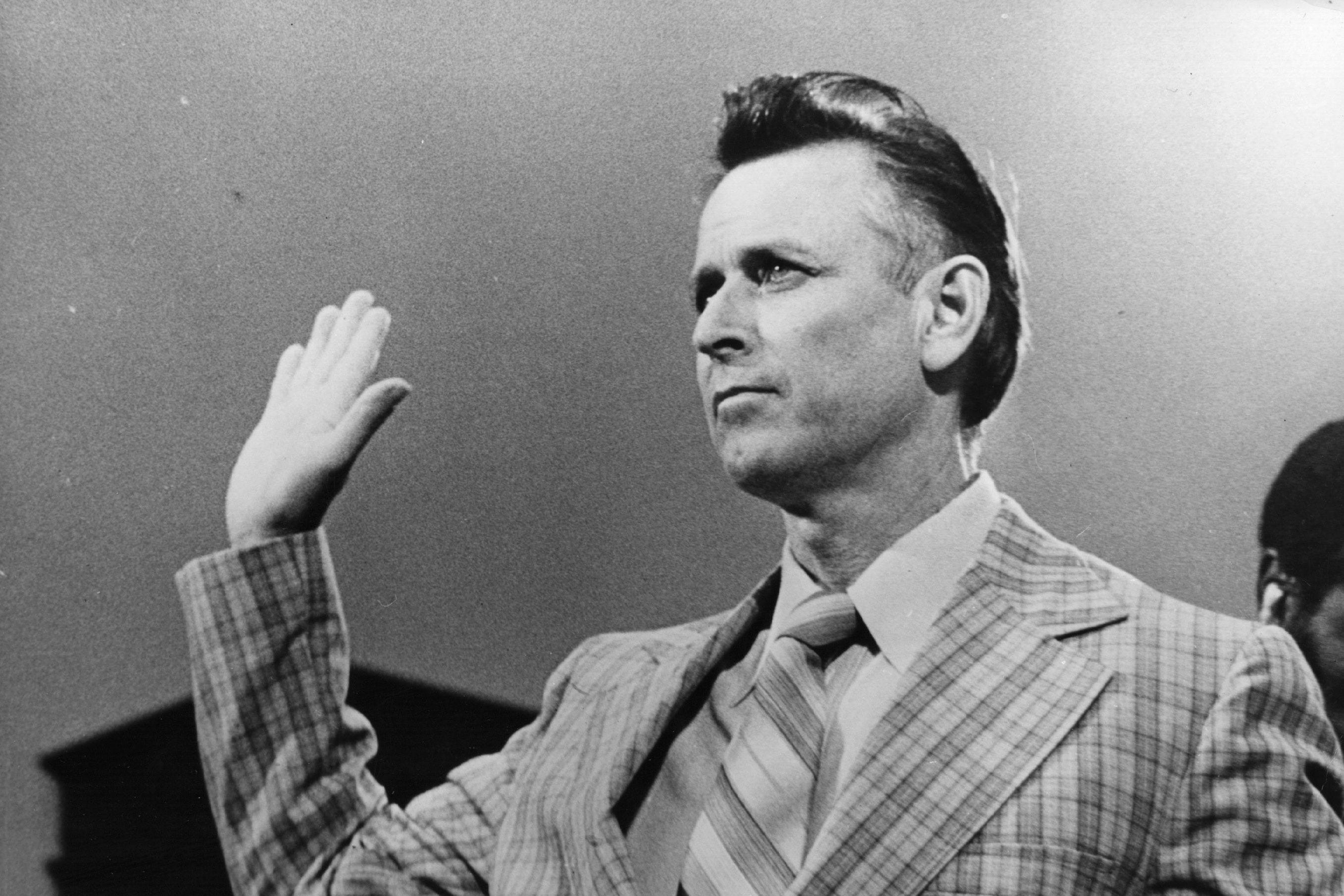
On this day in 1969, a man named James Earl Ray stood before a judge in Tennessee and pleaded guilty to the assassination of civil rights leader Martin Luther King Jr. The plea brought a legal conclusion to one of the most shocking crimes of the twentieth century. Yet the moment felt less like closure and more like a sombre punctuation mark at the end of a turbulent decade.
By the time Ray uttered those words in court, the world had already witnessed the devastating event that made his name infamous. Eleven months earlier, a rifle shot fired from a Memphis boarding house balcony had taken the life of a man who had become the moral compass of the American civil rights movement.
The courtroom admission confirmed what investigators had already built through evidence and international pursuit. It also forced the world to confront a deeper truth about violence, hatred and the fragile progress of social change.
Road to Memphis
The path that led to the assassination did not begin in Memphis. It began years earlier with a drifting criminal who struggled to find direction after leaving the United States Army in the late 1940s.
James Earl Ray built a life that revolved around petty crime. Arrests and prison sentences became familiar chapters in his story. When he was convicted of armed robbery in the late 1950s, the courts handed him a long prison term. For many men that might have marked the end of the road.
Ray chose a different path. In 1967 he escaped from a Missouri prison in a crude but effective plan that involved hiding inside a bakery shipment leaving the facility. Within hours he was a fugitive moving through the United States under false names.
During the following months he drifted from city to city. He crossed borders, travelled through Mexico and Canada, and eventually reached California. The late 1960s were a time of upheaval across America. Protests, cultural shifts and political tensions shaped public life.
For Ray, the atmosphere did not offer inspiration or reform. Instead it deepened his resentment. Exposure to segregationist rhetoric and extremist politics fed a growing fixation with racial conflict and the civil rights movement.
That poisonous mixture would soon collide with one of the most influential figures of the century.
Civil rights struggle reaches Memphis
By early 1968 Martin Luther King Jr had already transformed the fight for civil rights in America. His philosophy of non violence had mobilised marches, protests and political pressure across the country. Yet the struggle for equality remained unfinished.
In Memphis, Tennessee, sanitation workers had begun a strike following the deaths of two black employees who were killed when a refuse truck malfunctioned. Their colleagues believed the tragedy reflected long standing neglect and discrimination within the city workforce.
The strike quickly became a symbol of wider injustice. Workers marched through the streets carrying simple signs declaring their dignity with the words “I Am a Man”.
King travelled to Memphis to support them. For him the campaign represented more than labour rights. It was part of the broader fight for economic fairness and human respect.
The city was tense. Demonstrations risked confrontation with police. King urged calm and discipline among supporters, knowing that violence could undermine the movement’s moral authority.
Despite exhaustion and threats against his life, he returned to Memphis in early April 1968. On the evening of April 3 he addressed a crowd gathered inside the Mason Temple during a stormy night.
His speech would later echo through history.
King spoke about hardship, fear and faith in the future. He told the audience that difficult days lay ahead. Yet his tone carried a quiet certainty that the movement would reach its destination.
He said he had looked over the mountaintop and seen the promised land.
Within twenty four hours those words would feel hauntingly prophetic.
Fatal shot that changed history
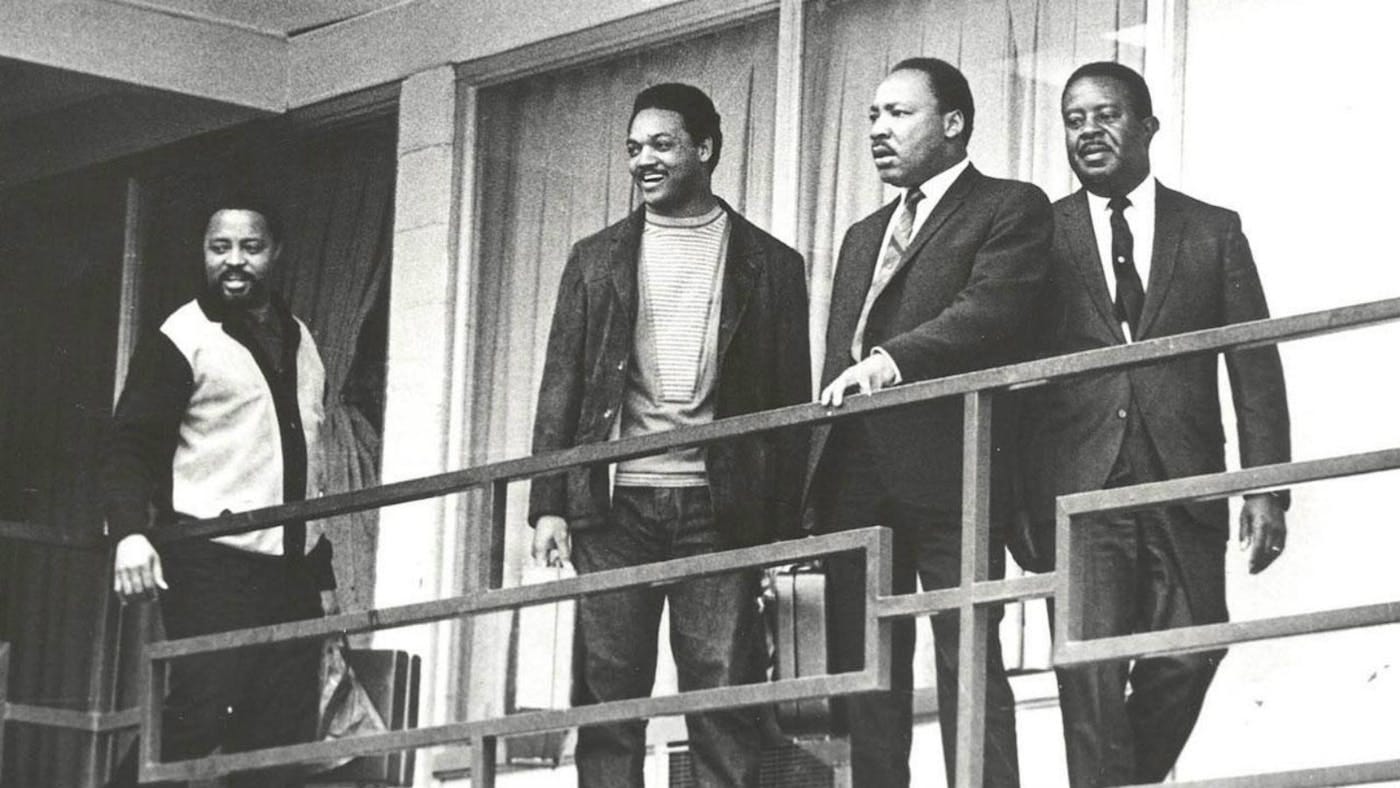
On April 4, 1968, Martin Luther King Jr stepped onto the balcony outside his room at the Lorraine Motel in Memphis. It was early evening and he was preparing to leave for dinner with colleagues.
Across the street, inside a modest boarding house, a rifle rested against a windowsill.
James Earl Ray had rented a room with a clear view of the motel. When King appeared on the balcony, Ray took aim and fired a single shot. The bullet struck King in the neck.
The civil rights leader collapsed as colleagues rushed to his side. He was taken to hospital but doctors could not save him. At the age of thirty nine, the voice that had inspired millions fell silent.
News of the assassination travelled quickly across the world. Shock turned into anger and grief. Riots erupted in several American cities as communities struggled to process the loss.
For supporters of civil rights, the murder felt like an attack on hope itself.
Ray fled immediately after the shooting. He abandoned the rifle and belongings in a bundle on the street and escaped Memphis in a white car. From there he began a frantic attempt to disappear.
He travelled through Canada using an alias and eventually boarded a flight to London. His journey ended at Heathrow Airport in June 1968 when police arrested him during an international search led by the FBI.
The manhunt had lasted two months. It spanned continents and captured global attention.
Guilty plea and lingering questions
The legal reckoning arrived the following year.
On March 10, 1969, James Earl Ray stood before the Shelby County Criminal Court in Tennessee. The evidence against him was overwhelming. Investigators had tied the rifle, fingerprints and travel records to the assassination.
Faced with the prospect of the death penalty, Ray chose to plead guilty to first degree murder. The judge accepted the plea and sentenced him to ninety nine years in prison.
In practical terms, the case appeared settled. Yet the story did not end there.
Within days Ray attempted to withdraw his plea. He claimed he had been manipulated by a mysterious figure and hinted at a wider conspiracy. Over time these claims fuelled numerous theories about the assassination.
Some believed Ray acted alone. Others suspected a broader network behind the crime. Investigations in later years examined these possibilities but found no conclusive evidence that altered the original judgement.
Debate continues in some corners of history. What remains beyond dispute is the scale of the loss.
Martin Luther King Jr had become a symbol of courage and moral clarity during one of the most turbulent periods in modern history. His assassination robbed the movement of a leader who spoke with rare authority about justice, peace and human dignity.
Legacy that outlived the assassin
History often remembers the victims of great crimes far longer than the perpetrators.
James Earl Ray spent the rest of his life in prison, dying there in 1998. His name survives largely as a footnote attached to the event that defined him.
Martin Luther King Jr left something far greater behind. His speeches, campaigns and philosophy continue to shape discussions about equality and civil rights around the world.
Each generation returns to his words for guidance during moments of social strain. The idea that non violence can challenge injustice remains one of the most powerful messages of the twentieth century.
The guilty plea delivered on this day in 1969 closed a legal chapter in the story. It confirmed the identity of the man responsible for the assassination.
Yet it did nothing to diminish the influence of the man whose life was taken.
History has a way of deciding which names endure with honour and which fade into obscurity. In this case the verdict is unmistakable.
The assassin entered a courtroom and accepted his fate. The man he killed had already entered history.
And there, his voice still carries.