

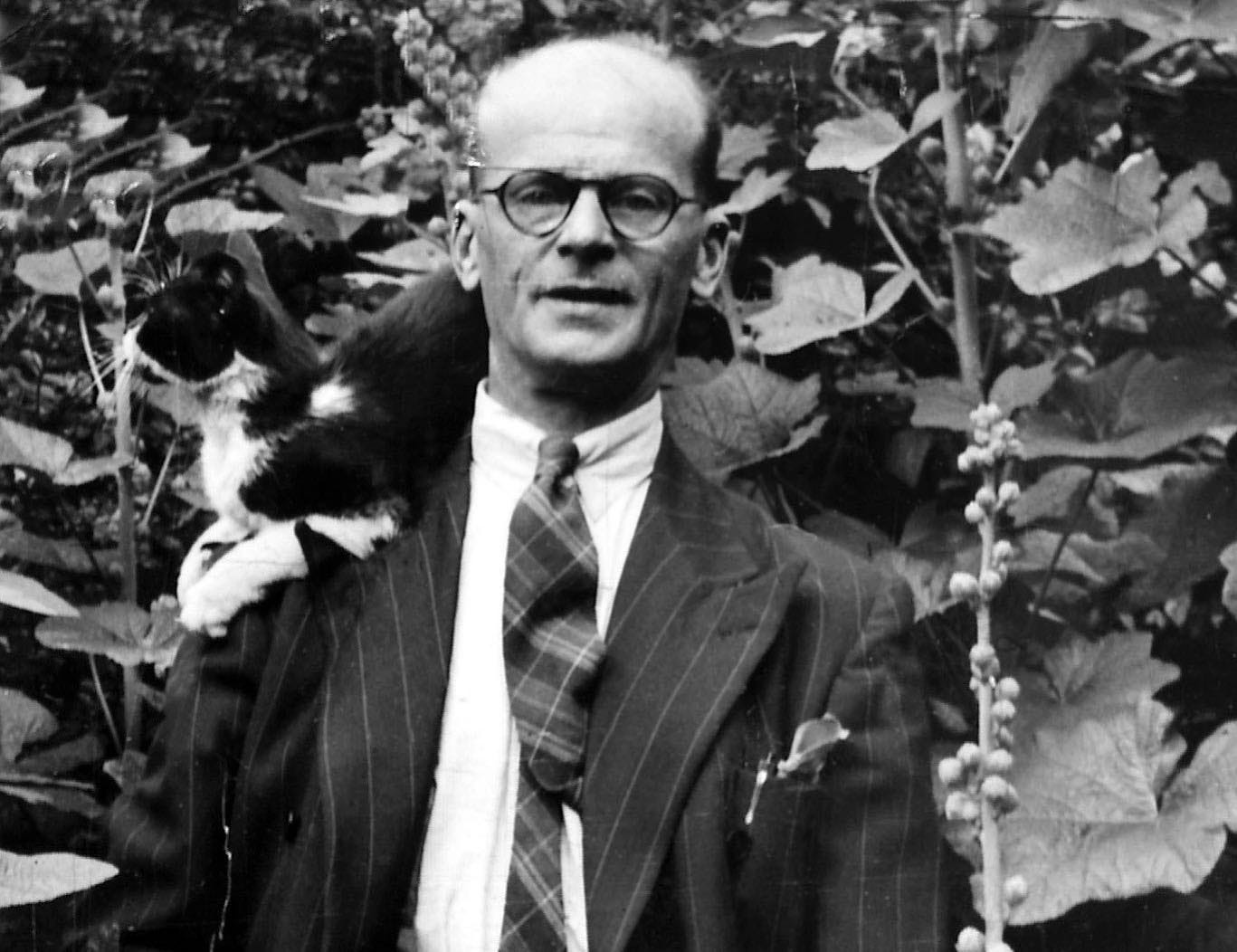
On this day in 1953, a small act of domestic routine cracked open one of the darkest chapters in British criminal history. A tenant in a tired Notting Hill house set about fixing a simple shelf. The nail would not hold. The wall sounded hollow. Curiosity took over, wallpaper peeled back, and behind it lay a concealed space that no ordinary room should possess.
What emerged from that hidden alcove was not just the body of a woman, but the beginning of a grim tally. Another body appeared, then another, each discovery tightening the knot of dread. Police arrived to a scene that grew steadily worse as more remains were uncovered, in the alcove, beneath floorboards, and beyond. The house had become a repository of quiet horror.
It is tempting to see such moments as sudden, as if evil announces itself in one dramatic instant. Yet what happened that day was the end point of a story that had been unfolding in plain sight, unnoticed or misunderstood, for years.
Christie’s quiet deception
The man at the centre of it all, John Christie, had cultivated an image that disarmed suspicion. He appeared mild, almost fragile, speaking softly, presenting himself as dependable, even helpful. To neighbours, he was the sort of figure one might trust with small confidences. That trust would prove fatal.
Years earlier, he had already killed and concealed victims without detection. His crimes were not impulsive acts but calculated exercises in control. He selected women who were vulnerable, isolated, or in distress. He exploited their circumstances with chilling efficiency, using deception to draw them close before turning lethal.
His methods revealed a pattern of patience and concealment. Bodies were hidden in gardens, wash houses, and eventually within the structure of his own home. Each act suggested a man who believed himself beyond scrutiny, someone who understood how to move beneath the radar of everyday life.
The house in Notting Hill became both stage and shield. Within its walls, ordinary existence continued, neighbours came and went, and yet beneath that surface lay evidence of repeated murder. It was a grotesque inversion of domestic space, where familiarity masked danger.
Evans case and fatal error
The tragedy deepens when one considers the fate of a young man who lived in the same house. Struggling with poverty and family pressures, he and his wife faced the strain of another child they could not afford. Desperation led them to seek help from the neighbour downstairs, a decision that would unravel their lives.
What followed was a sequence of manipulation and misdirection. The husband was told that a procedure had gone wrong, that his wife had died. He was urged to leave, to avoid suspicion. In his absence, the truth was buried, both literally and figuratively.
When authorities became involved, the investigation moved with a troubling certainty. Despite inconsistencies and the presence of another plausible suspect, attention settled firmly on the husband. Under pressure, he confessed, later retracting his statement. It made no difference. The machinery of justice had already gathered momentum.
The trial was swift, the deliberation brief. A verdict was reached with unsettling ease. The man was convicted and executed, his protests of innocence lost in the formalities of the courtroom. At the time, it was presented as a case closed, a crime solved.
Only later would it become clear that the real killer had stood within that same courtroom, calm and composed, offering testimony that helped seal another man’s fate.
Justice delayed, truth uncovered
The discoveries on this day in 1953 forced a reckoning. As the scale of the killings emerged, so too did the realisation that a grave error had been made. The earlier case was reopened in the court of public opinion, and questions grew louder.
How had suspicion been so narrowly focused? Why had alternative explanations been dismissed? And most painfully, how had an innocent man been sent to his death while the true perpetrator remained free to kill again?
The killer himself did not flee far. He lingered in the city, blending into its rhythms, sitting in cinemas, walking along the river, another anonymous figure in the crowd. His capture came not through dramatic pursuit but through recognition, a quiet moment when a police officer saw what others had been looking for.
When he confessed, the full weight of his crimes became undeniable. The number of victims, the methods, the concealment, all pointed to a sustained campaign of murder carried out under the noses of those around him.
In time, the man wrongly executed was granted a posthumous pardon. His remains were returned to his family, and his name cleared. It was an attempt at correction, but one that could never restore what had been taken.
The case played a significant role in changing attitudes towards capital punishment in Britain. It exposed the fallibility of the system in the starkest possible terms. Justice, when it errs, does so with consequences that cannot be undone.
Legacy of a London horror
The events tied to this day linger not just because of their brutality, but because of what they reveal about trust, perception, and the limits of certainty. The killer did not fit the caricature of menace. He was ordinary in appearance, measured in speech, and that made him harder to see for what he was.
There is also the enduring discomfort of the investigative failure. It reminds us that systems built to protect can falter when assumptions go unchallenged. A confession, once obtained, can overshadow doubt. A narrative, once accepted, can become resistant to revision.
For a history writer, the duty is not merely to recount the sequence of events but to sit with their implications. This is not just a story of murder. It is a story of how easily truth can be obscured, how authority can misjudge, and how the consequences of those misjudgements ripple through lives long after the facts are known.
On this day in 1953, a wall gave way and revealed what had been hidden. In doing so, it forced a nation to confront not only the actions of a killer, but the failures that allowed him to operate unchecked. It stands as a sombre reminder that history is not always about distant times and grand figures. Sometimes, it is about a single house, a concealed space, and the moment when silence can no longer be maintained.