

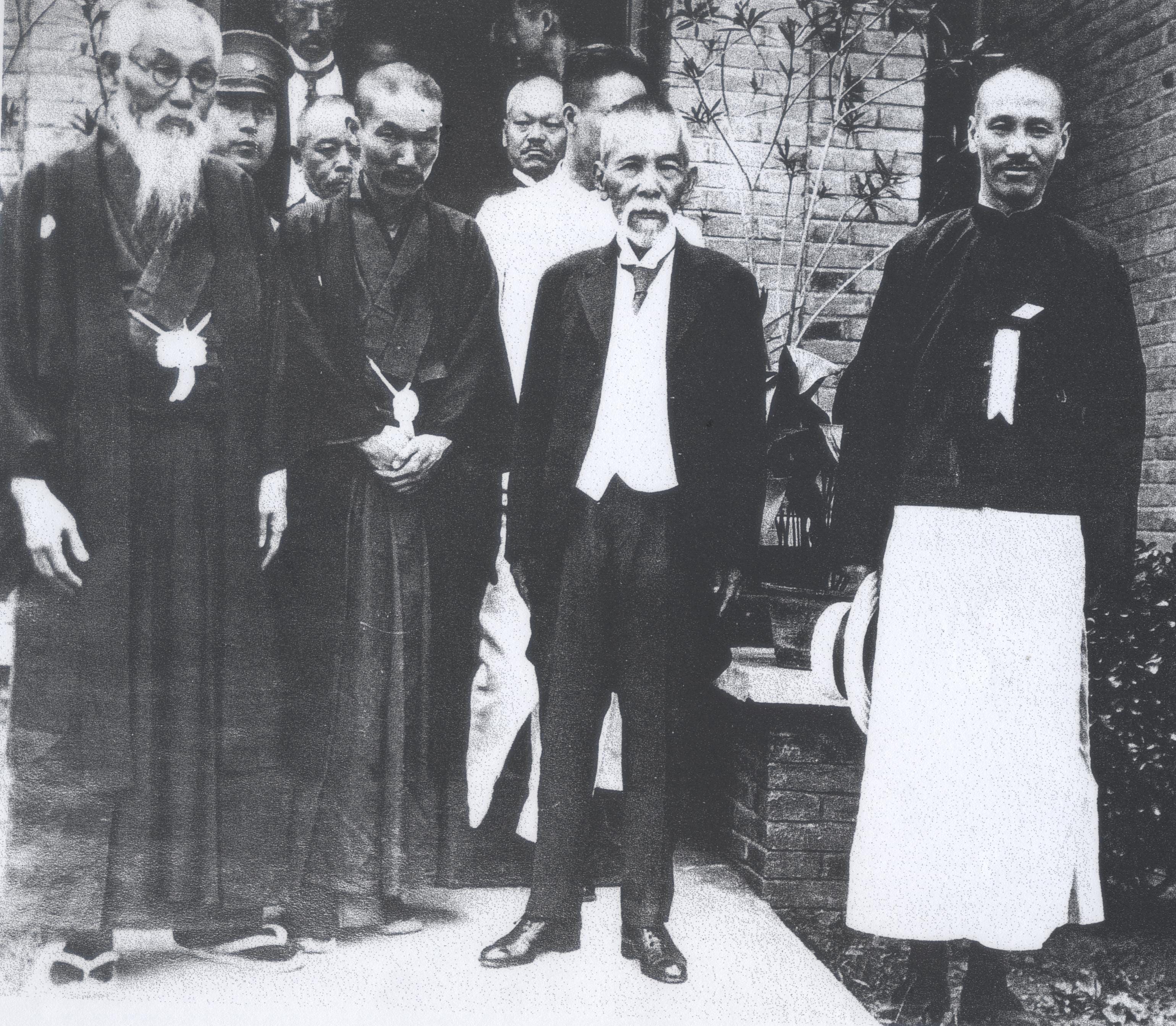
On This Day, May 15, 1932, a group of young naval officers marched into the official residence of Japan’s prime minister and changed the course of modern history. Their target was Inukai Tsuyoshi, an elderly politician trying to hold together a fragile democratic government during a time of economic fear, rising nationalism and growing military power.
By the end of the night, Inukai lay dead, shot by men who believed violence was a patriotic duty. The attack became known as the May 15 Incident, and although the attempted uprising itself failed, its political consequences succeeded beyond the assassins’ expectations.
Japan would never fully return to stable parliamentary rule before the Second World War. The road towards militarism, expansion across Asia and eventual conflict with the United States became far easier to travel after the gunfire inside the prime minister’s residence in Tokyo.
Political Chaos Across Japan
The Japan of the early 1930s was unsettled and increasingly angry. The country had modernised at astonishing speed during the previous half century. Industry expanded rapidly, cities grew and Japan emerged as a major imperial power after victories against China and Russia.
Yet progress brought instability alongside pride.
The Great Depression struck hard, damaging public faith in political leaders and deepening economic hardship. Many ordinary Japanese citizens viewed party politicians as weak, divided and disconnected from the struggles facing the country. Meanwhile, the military enjoyed growing prestige, particularly among younger officers convinced Japan had been humiliated by international agreements limiting naval expansion.
Inside sections of the Imperial Army and Navy, extreme nationalism flourished. Civilian government was no longer seen as an inconvenience but as an obstacle to Japan’s destiny. Radical officers dreamed of sweeping aside parliamentary politics and restoring direct imperial rule guided by military strength and national purity.
Those ideas no longer belonged to isolated fanatics whispering in corners. They were spreading openly through military circles and gaining sympathy among sections of the public.
Prime Minister Inukai Tsuyoshi stood in the middle of that storm.
At 75 years old, he represented an older political order struggling to survive in a rapidly hardening nation. His government lacked stability and authority. He faced pressure from competing parties, military figures and nationalists who viewed compromise as weakness.
The atmosphere in Japan had become combustible. On May 15, it finally ignited.
Gunfire Inside the Prime Minister’s Residence
The attack unfolded in the early evening at the prime minister’s official residence in Tokyo. A group of naval officers and army cadets arrived wearing military uniform, allowing them entry before revealing their weapons.
After shooting guards, the conspirators forced their way inside.
Inukai Tsuyoshi reportedly attempted to protect his family while remaining calm in the face of danger. Accounts from the incident describe him trying to reason with the attackers and draw them away from his daughter in law and grandchild. It was an act of composure that carried little weight against men already convinced murder would save the nation.
The assassins opened fire and killed him within moments.
Their intentions stretched beyond simple assassination. The conspirators hoped the murder would inspire a wider uprising against civilian government. They attacked banks and infrastructure elsewhere in Tokyo, attempting to trigger chaos and revolution. Yet the larger rebellion never materialised.
In military terms, the coup failed.
Politically, however, the consequences were devastating for Japanese democracy.
Charlie Chaplin’s Extraordinary Escape
One remarkable detail from the May 15 Incident remains almost unbelievable.
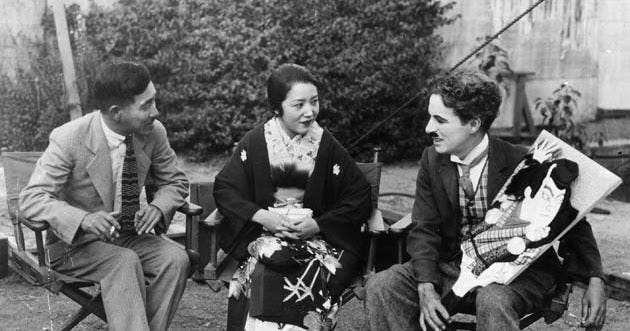
Charlie Chaplin was visiting Japan at the time and had originally been expected to dine with Prime Minister Inukai on the very evening of the assassination. A last minute change of plans altered the schedule, with Chaplin instead attending a sumo wrestling event alongside the prime minister’s son.
That decision almost certainly saved his life.
Some of the conspirators had discussed killing Chaplin as well. They believed murdering one of the world’s most famous entertainers could provoke conflict with the United States and ignite a larger international crisis that would strengthen Japan through war.
It was a chilling reflection of the reckless nationalism driving the plotters. They no longer feared global consequences. Some actively welcomed them.
Chaplin unknowingly stepped around history by mere chance. Had he attended the dinner as planned, one of Hollywood’s greatest figures might have become part of a political assassination that helped reshape Asia.
Public Sympathy and Democratic Decline
The aftermath revealed something deeply unsettling about Japan in 1932.
Although many citizens were horrified by the killing, there was also widespread sympathy for the assassins. Thousands signed petitions asking for leniency. Supporters treated the young officers less like criminals and more like misguided patriots acting in defence of national honour.
That public mood mattered enormously.
When the conspirators stood trial, the punishments handed down were relatively light considering the gravity of the crime. The message received by extremists across Japan was unmistakable. Political violence carried consequences, but not necessarily severe ones if wrapped in the language of nationalism and loyalty to the emperor.
Civilian politicians emerged weakened and exposed. Military influence grew stronger with each passing year.
The assassination of Inukai Tsuyoshi effectively marked the end of party government as the dominant force inside Imperial Japan. During the decade that followed, military leaders increasingly controlled national policy while Japan expanded aggressively into China and beyond.
The catastrophe of the Pacific War did not begin solely on May 15, 1932, but the incident signposted the direction the country was heading. Democracy had been intimidated, wounded and publicly undermined by men carrying pistols in naval uniform.
Echoes Across History
Political assassinations often reveal more about the society surrounding them than the individuals who carry them out. The May 15 Incident exposed a Japan losing faith in compromise and becoming seduced by extremism.
That remains its enduring warning.
When democratic institutions appear weak, voices promising strength through violence can gain dangerous appeal. Japan in 1932 learned how quickly nationalism, economic frustration and political division could combine into something destructive.
Ninety years later, Japan would once again be shaken by the assassination of a former prime minister with the killing of Shinzo Abe in 2022. The circumstances were entirely different, yet both events reminded the world that political violence leaves scars extending far beyond a single death.
On This Day in 1932, however, the consequences reached even further. One assassination inside a Tokyo residence helped push an entire nation towards militarism and war, altering the course of the twentieth century.