

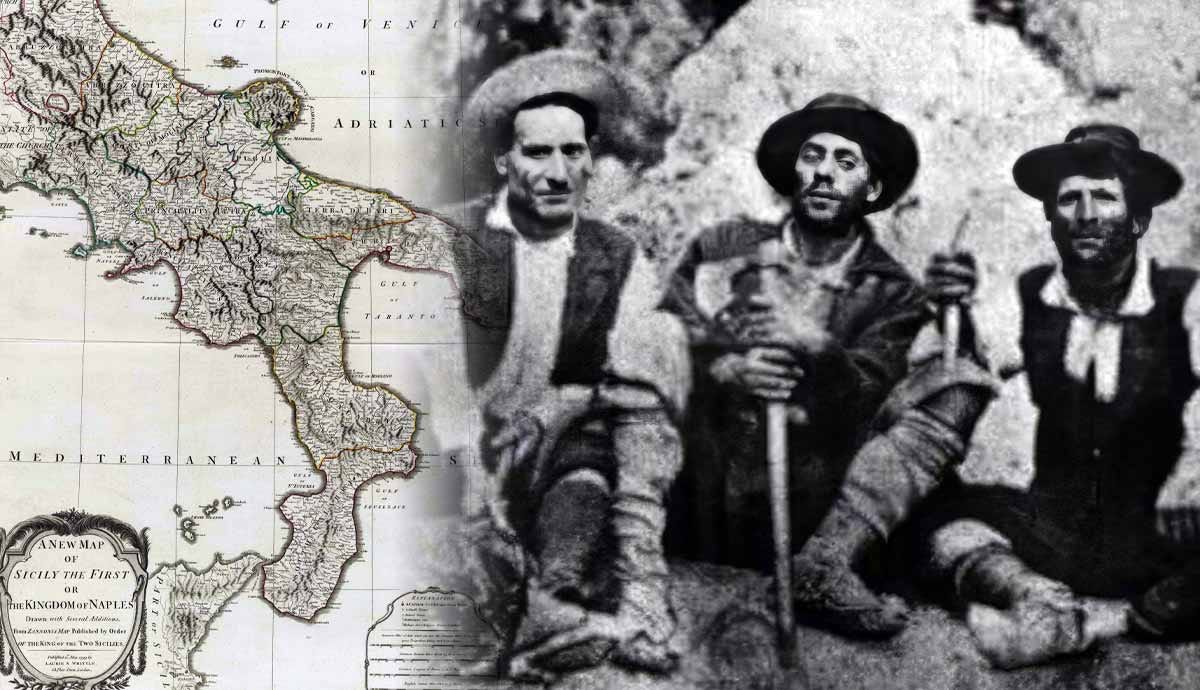
On this day in 1861, Italy did not simply declare itself a nation. It earned that right through decades of unrest, courage, compromise, and stubborn belief. The story of Italian unification is often told through dates and treaties, but its true character lies in the tension between idealism and pragmatism, between those who charged forward with rifles and those who negotiated in quiet rooms.
This was not a neat political process. It was a struggle shaped by men who disagreed on method but shared a vision that refused to fade.
Fragmented Peninsula and Rising Identity
In the early nineteenth century, Italy was not a country in any meaningful sense. It was a patchwork of states, each governed by foreign dynasties or entrenched elites. Austria held the north, Bourbon rulers dominated the south, and the Pope controlled the centre. The settlement imposed after Napoleon’s fall sought stability, not unity.
Yet beneath this arrangement, something had begun to stir. The Napoleonic era had briefly drawn the peninsula together under a single administrative framework. More importantly, it had spread ideas. Language, once divided into regional dialects, began to coalesce. A shared Italian identity, faint at first, started to take root.
Secret societies emerged, driven by the belief that Italy should belong to Italians. Their revolts were often crushed, their members executed or exiled. Still, the idea survived. It became clear that Italy was no mere “geographic expression,” as some claimed. It was becoming a cause.
Garibaldi and the Power of Belief
If the movement had a heartbeat, it was found in the volunteers who followed Giuseppe Garibaldi. He was not a conventional general. He inspired rather than commanded, and his men were not disciplined soldiers but believers.
In 1860, on a sun-scorched Sicilian hillside, that belief was tested. Facing a larger and better-equipped force, Garibaldi’s volunteers did something reckless. They charged. It was not part of any careful plan. It was instinct, fuelled by conviction.
What followed was not just a military encounter but a moment that captured the essence of the unification struggle. These were men willing to gamble everything on an idea. They fought not for pay or rank, but for a future they could barely define, yet deeply felt.
Garibaldi himself embodied this spirit. He had faced exile, defeat, and repeated failure. Yet each setback hardened his resolve. When he declared that Italy would be made on the battlefield or not at all, it was not rhetoric. It was a statement of intent that others chose to believe.
Mazzini, Cavour and Clash of Strategies
The unification of Italy was not driven by a single approach. It was shaped by competing visions, sometimes uneasy, sometimes openly at odds.
Giuseppe Mazzini represented the ideological core. He believed in a republic, built on popular sovereignty and moral purpose. His influence was profound, especially among younger revolutionaries, but his methods often led to failure. Uprisings inspired by passion lacked the strength to overcome established power.
In contrast, Count Cavour approached the question with calculation. He understood that unification required more than courage. It required alliances, timing, and a willingness to compromise. Through diplomacy, he secured support from France and weakened Austrian control in the north.
At first glance, these approaches seem incompatible. One driven by idealism, the other by realism. Yet Italy needed both. Without Mazzini, there would have been no vision. Without Cavour, no viable path.
Garibaldi stood somewhere between them. A man of action who ultimately accepted political compromise, even when it ran against his republican instincts. His decision to hand over conquered territories to a monarchy was not a surrender of belief, but a recognition that unity mattered more than purity.
Moment of Unity and Lasting Legacy
By March 1861, the pieces had fallen into place. The southern campaigns had succeeded. The north had been reshaped through war and diplomacy. When Victor Emmanuel II was proclaimed king of a unified Italy, it marked the culmination of years of effort.
Yet the declaration itself was almost understated compared to the struggle that preceded it. There was no single decisive moment, no clean victory. Instead, unification was the result of accumulated pressure, of countless acts of defiance, negotiation, and sacrifice.
What stands out most is not the political outcome, but the human dimension. Volunteers charging against orders. Exiles returning to fight again. Leaders setting aside personal beliefs for a greater goal. These are the threads that bind the story together.
Italy was not handed its unity. It was argued into existence, fought for in fields and streets, and shaped by men who rarely agreed on how it should be done.
That is what makes this day worth remembering.
Why 1861 Still Matters Today
The unification of Italy offers a reminder that nation-building is rarely tidy. It demands patience and urgency in equal measure. It requires both dreamers and pragmatists, and often forces them into uneasy partnership.
There is also a lesson in the persistence of identity. For years, the idea of Italy was dismissed by powerful figures as fiction. Yet it endured because people believed in it strongly enough to act.
On this day in 1861, that belief took form. Not perfectly, not completely, but decisively enough to change the map of Europe.
And perhaps that is the enduring truth. Nations are not simply declared. They are built, piece by piece, by those willing to risk failure in pursuit of something larger than themselves.