

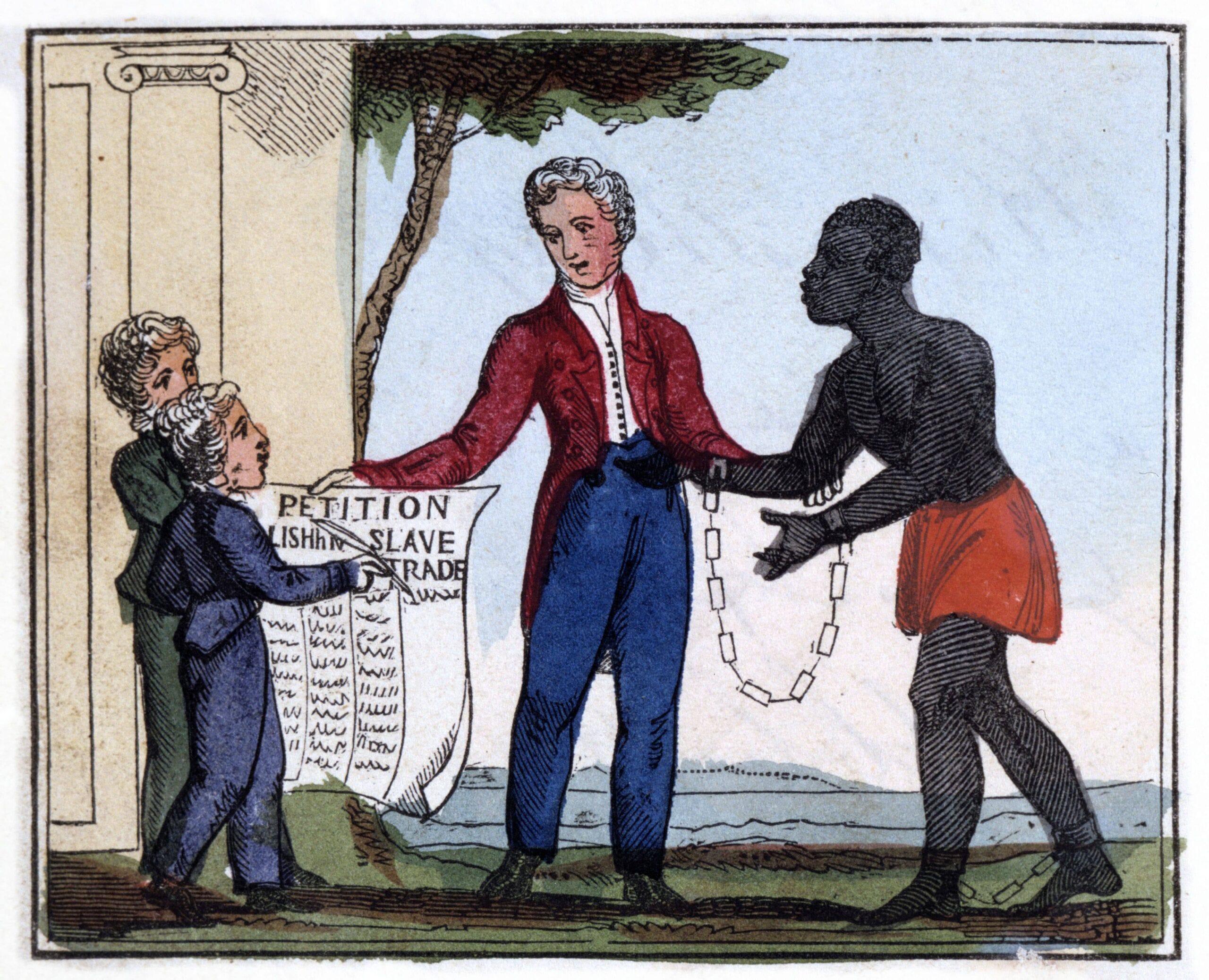
There are dates in history that arrive not with quiet dignity, but with the weight of accumulated anger. March 25, 1807 is one of them. On this day, Britain formally abolished its transatlantic slave trade, a decision that did not emerge from sudden enlightenment, but from years of public unease, personal testimony, and moments of unbearable truth that could no longer be ignored.
To understand why this moment matters, you have to look beyond Parliament and into the lived reality that forced its hand.
Human cost behind imperial profit
The slave trade was not an abstract system. It was built on bodies, breath, and suffering so routine that it became normalised in the language of commerce. Ships crossed the Atlantic not as vessels of trade, but as floating prisons, where disease, starvation, and cruelty were constant companions.
One notorious voyage in 1781 laid bare the brutal logic at the heart of the trade. A British slave ship, delayed and struggling, faced dwindling supplies. The crew made a decision that would echo across the empire. More than a hundred enslaved Africans were thrown into the sea over the course of days, not as an act of desperation alone, but as a calculated move tied to insurance claims.
That detail matters. The deaths were not treated as murder, but as lost cargo.
When the case reached court, the argument centred not on justice for the dead, but on whether compensation should be paid. The language used stripped human beings of identity and reduced them to property. It exposed something deeply unsettling about British society at the time, a willingness to prioritise profit over humanity, and to defend it with legal precision.
Yet, in that cold reasoning lay the seeds of change.
Voices that refused silence
What shifted the ground was not policy at first, but people. Individuals who had endured the system began to speak, and crucially, they were heard.
One former enslaved man, who had bought his own freedom through intelligence and sheer determination, became a powerful voice in Britain. His life story was not just compelling, it was impossible to dismiss. He spoke of childhood, of being torn from home, of the suffocating horrors of the Middle Passage, and of the long road to freedom.
His words carried weight because they were lived.
He was not alone. A network of campaigners, many of them formerly enslaved, organised meetings, wrote letters, and confronted polite society with uncomfortable truths. They did not allow the issue to remain distant or abstract. They made it immediate.
Audiences in Britain, many of whom had benefited indirectly from the trade, were forced to reckon with what that prosperity really meant. Some speakers even revealed the physical scars left by enslavement, turning distant suffering into something visible and undeniable.
This was not just advocacy, it was exposure.
Public pressure reshapes political will
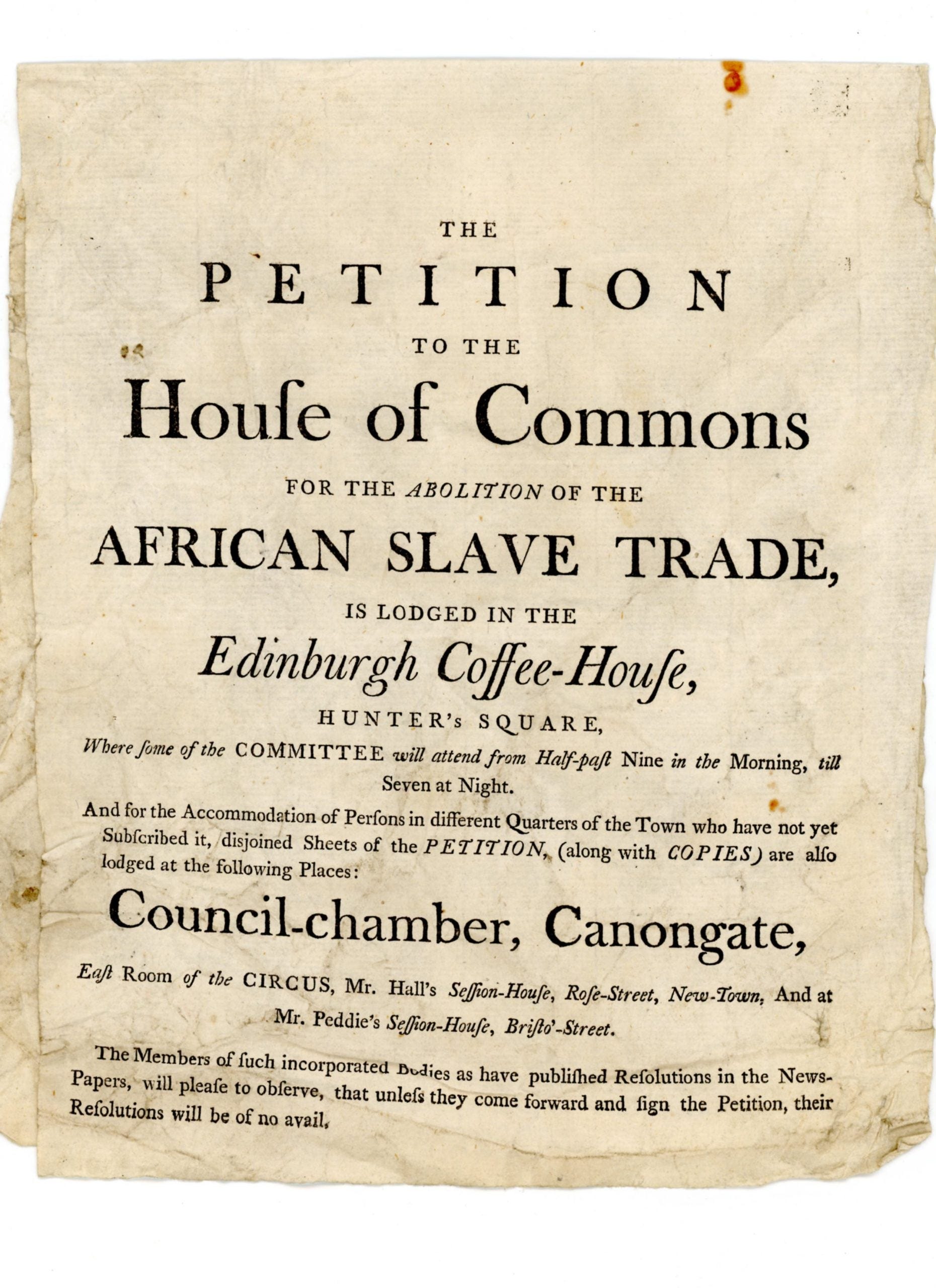
Change in Britain did not begin in the corridors of power. It began in drawing rooms, churches, and public gatherings where opinion slowly shifted.
Campaigners understood that outrage alone was not enough. They worked methodically to influence newspapers, religious groups, and political figures. They built momentum, piece by piece, until the issue could no longer be sidelined.
By the late eighteenth century, abolition had moved from the margins to the centre of public debate. Politicians who once resisted began to recognise a new reality. Supporting the slave trade was becoming politically costly.
Economic interests still resisted fiercely. The trade had generated immense wealth for merchants, insurers, and the state itself. It was deeply embedded in the national economy. Ending it meant confronting not just a moral issue, but a financial one.
That tension defined the struggle.
Yet, public opinion continued to shift. Voters began to demand change. The question was no longer whether the trade was profitable, but whether it could be justified at all.
Parliament acts under moral pressure
By the time the issue reached a decisive moment in Parliament, the groundwork had been laid over decades. The final debates were not spontaneous bursts of conscience, but the culmination of sustained effort.
One leading political figure, who had spent years pushing for abolition, stood before his colleagues knowing the tide had turned. His arguments were no longer falling on deaf ears. Support had grown, not just within Parliament, but across the country.
When the vote came, it was decisive.
The passage of the Slave Trade Act marked a turning point. It ended Britain’s participation in the transatlantic trade, signalling a shift in national values, at least in principle.
But it is important to be clear about what this moment did and did not achieve.
The trade was abolished, slavery itself was not.
That would take another generation of activism, persistence, and moral pressure before full emancipation was realised in 1833. The 1807 act was a beginning, not an end.
Legacy shaped by truth and persistence
Looking back, what stands out is not just the legislation, but the process that led to it. Change came because the reality of slavery was made visible and impossible to ignore.
It came because individuals refused to accept the language of property when describing human life.
It came because stories were told, again and again, until they reshaped how people thought.
There is a temptation to view abolition as an inevitable step in moral progress. It was not. It was contested, resisted, and delayed by those who benefited from the status quo.
What changed Britain was not sudden virtue, but sustained pressure grounded in truth.
On this day in 1807, the country took a significant step. Not a perfect one, not a complete one, but a meaningful shift away from a system that had defined its global power.
That step was forced into being by voices that refused to be silenced and by events that exposed the cost of indifference.
History often moves slowly, then all at once. March 25, 1807 stands as proof that when enough people confront uncomfortable truths, even the most entrenched systems can begin to crack.