

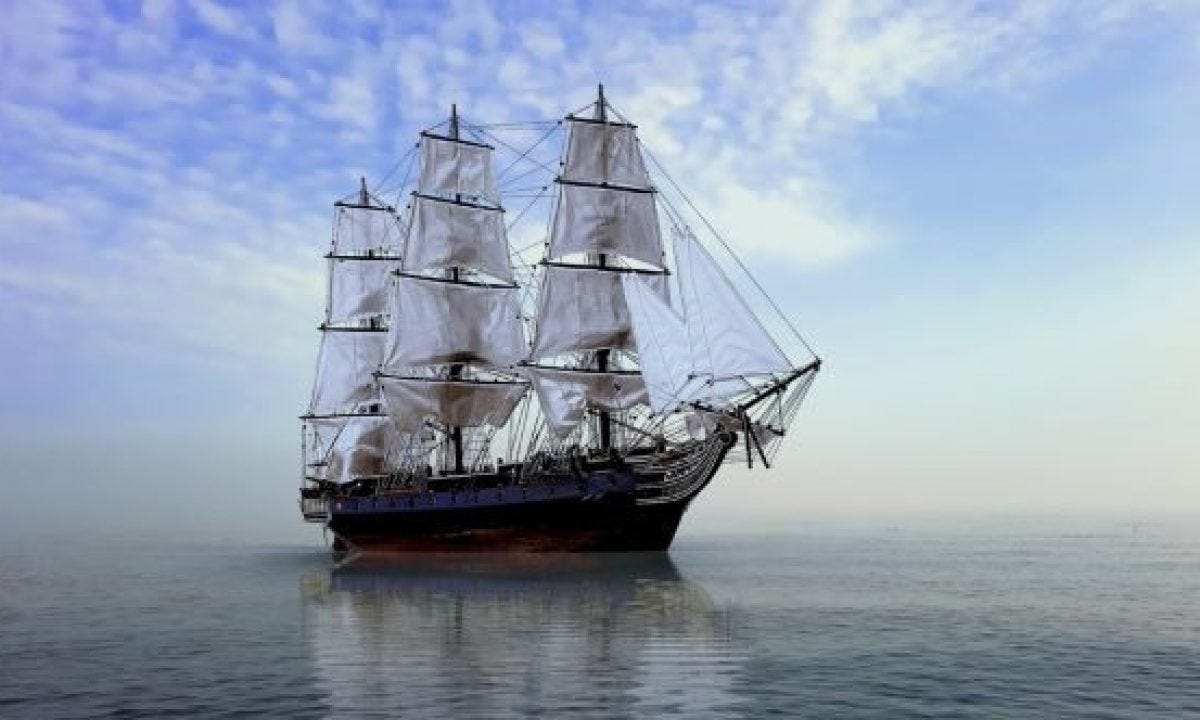
There are shipwreck stories that flatter the human spirit, and there are shipwreck stories that strip it to the bone. On this day, 9 April 1745, the last survivors connected with HMS Wager returned to England, carrying with them one of the harshest maritime reckonings in British history. The real lesson of the affair is not that men can endure almost anything. It is that endurance, on its own, proves very little. In extremity, courage and cruelty often sleep under the same blanket.
HMS Wager had sailed as part of Commodore George Anson’s expedition during the War of Jenkins’ Ear, with orders tied to British attacks on Spanish interests in the Pacific. After appalling weather around Cape Horn, the ship became separated from the squadron and was wrecked off the coast of southern Chile in May 1741. Around 140 men survived the initial wreck, but survival in any comforting sense had barely begun. They were marooned on a cold, wet, unforgiving shore, short of supplies, cut off from help and trapped inside a collapsing chain of command.
Wreck, hunger, and failing authority
What makes the Wager episode so gripping, and so ugly, is the speed with which naval order ceased to be more than a costume. Captain David Cheap remained the officer in command by rank and temperament, but rank is a thin shield when men are starving, soaked, frightened and furious. In the eighteenth century, authority at sea depended not only on law but on acceptance. Once the ship was gone, wages stopped, routine vanished and the old habits of obedience began to rot.
Cheap was not merely unfortunate, he was compromised. Injured before the wreck and then burdened by the impossible duty of holding together desperate men on a barren island, he still managed to worsen his own position. His shooting of a crewman, later remembered as a crucial turning point, poisoned what confidence remained. A commander can survive hardship, bad luck and even unpopularity, but once his men believe he is dangerous to them as much as danger is, his authority is living on borrowed time.
This is where my sympathy sharpens, but it does not soften. Cheap was in a hellish situation, yet leadership in such a place is measured precisely by restraint, judgement and the ability to command belief. On Wager he seems, to my mind, to have failed not because he was weak, but because he became rigid at the moment when discipline needed moral force rather than naked insistence. The sea had already broken the ship. He helped break the crew.
John Bulkeley’s revolt and the hard logic of survival
In that vacuum, John Bulkeley emerged. He was not a commissioned officer, but he was a practical seaman, and practical men are dangerous rivals to theoretical authority when death is close enough to smell. Bulkeley argued for escape south through the Strait of Magellan and then on towards Brazil. Cheap wanted to go north and reconnect with the broader mission. That disagreement was about navigation on the surface, but underneath it sat a more elemental dispute, whether duty to crown and campaign still mattered when the immediate business was staying alive until next week.
My view is that Bulkeley’s revolt was mutiny in law, but survival in spirit. That distinction matters. It is easy, from a warm room three centuries later, to speak grandly of loyalty. It is harder to imagine looking at a starving camp, an unstable captain and a coastline that seemed designed by malice, then deciding your first obligation was to preserve naval etiquette. Bulkeley’s party got away in improvised craft, endured storms, scurvy and repeated losses, and a fraction of them reached Brazil and then England. Of the 81 men who left with him, only 29 survived. Those numbers alone tell you that even the more plausible route home was scarcely more than a wager against death.
Yet there is no varnish to be applied here. Mutiny can begin in reason and end in self serving myth. Bulkeley later published his version of events, and Cheap returned with another. Each man had a reputation to save. Each had dead men behind him. That is part of what gives the story its lasting force. It was not only an ordeal, it was a battle over who would own the meaning of the ordeal.
John Byron and the cost of loyalty
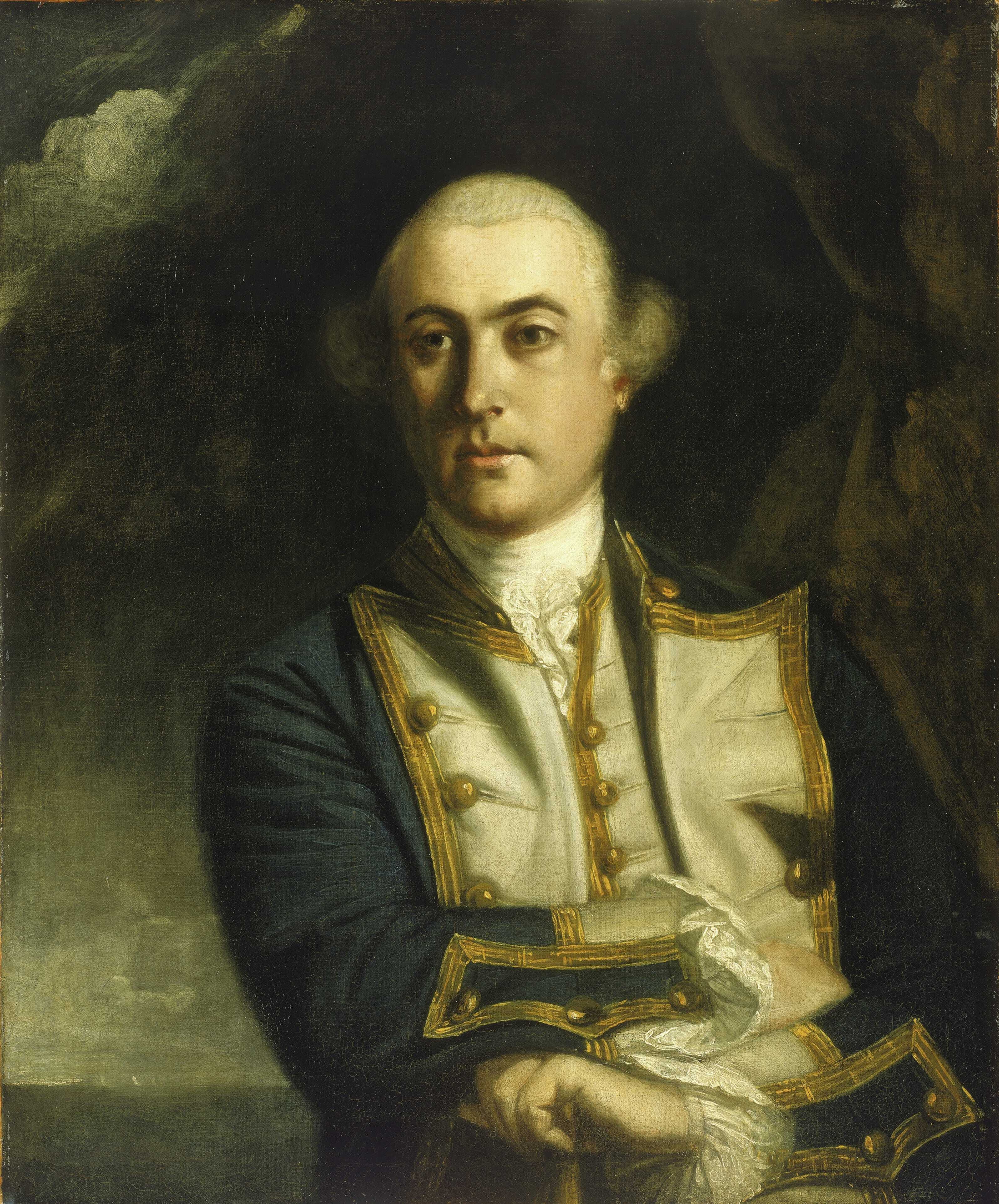
Amid the larger personalities, John Byron gives the affair its human pulse. He was young, observant and caught between obedience and survival. His choice to remain with Cheap has often been treated as fidelity, and there was fidelity in it. But there was also the bewilderment of youth before rank, habit and honour. Byron’s path home was ghastly in its own right. Cheap’s reduced party attempted escape, failed, returned, then finally received help from Indigenous people of southern Chile, including Chono navigators, before ending up in Spanish hands. Only four of Cheap’s group eventually made it back to England.
What moves me about Byron is that he seems to stand for the burden of decency in indecent circumstances. He was neither the iron captain nor the insurgent gunner. He was a witness to the moral weather of the wreck, and men like that are often the ones history needs most. They see enough to doubt slogans, but not so little that conscience dies.
There is another shame threaded through the whole business. The castaways depended at points on Indigenous peoples, among them the Kawésqar, yet the British presence carried the same arrogance that so often travelled with empire. Assistance was met in places with theft, abuse and blundering contempt. Even on the edge of oblivion, some of these men could not stop behaving as though the world existed for their taking. That detail matters because it tells us the wreck did not create character, it revealed it.
Homecoming and buried disgrace
When survivors reached England, the expected day of pure reckoning never quite came. Cheap faced court martial over the loss of the ship and was acquitted. Bulkeley, despite the mutiny, escaped the full ruin that might have been expected. The Admiralty, it appears, had little appetite for exposing every degrading detail of the collapse on Wager Island. Institutions are often most eloquent in what they prefer not to examine too closely.
So what should On This Day 1745 mean to us now? For me, it marks the moment when the survivors of HMS Wager brought home a truth more unsettling than any adventure tale. In disaster, the line between discipline and tyranny, loyalty and folly, rebellion and necessity becomes perilously thin. Heroism survives, certainly, but it rarely comes ashore clean. The men of Wager did not return as simple examples of British grit. They returned as evidence, living and damaged, that under enough pressure the structures we trust can splinter, and that survival may demand choices for which no court, then or now, can offer a fully satisfying verdict.