

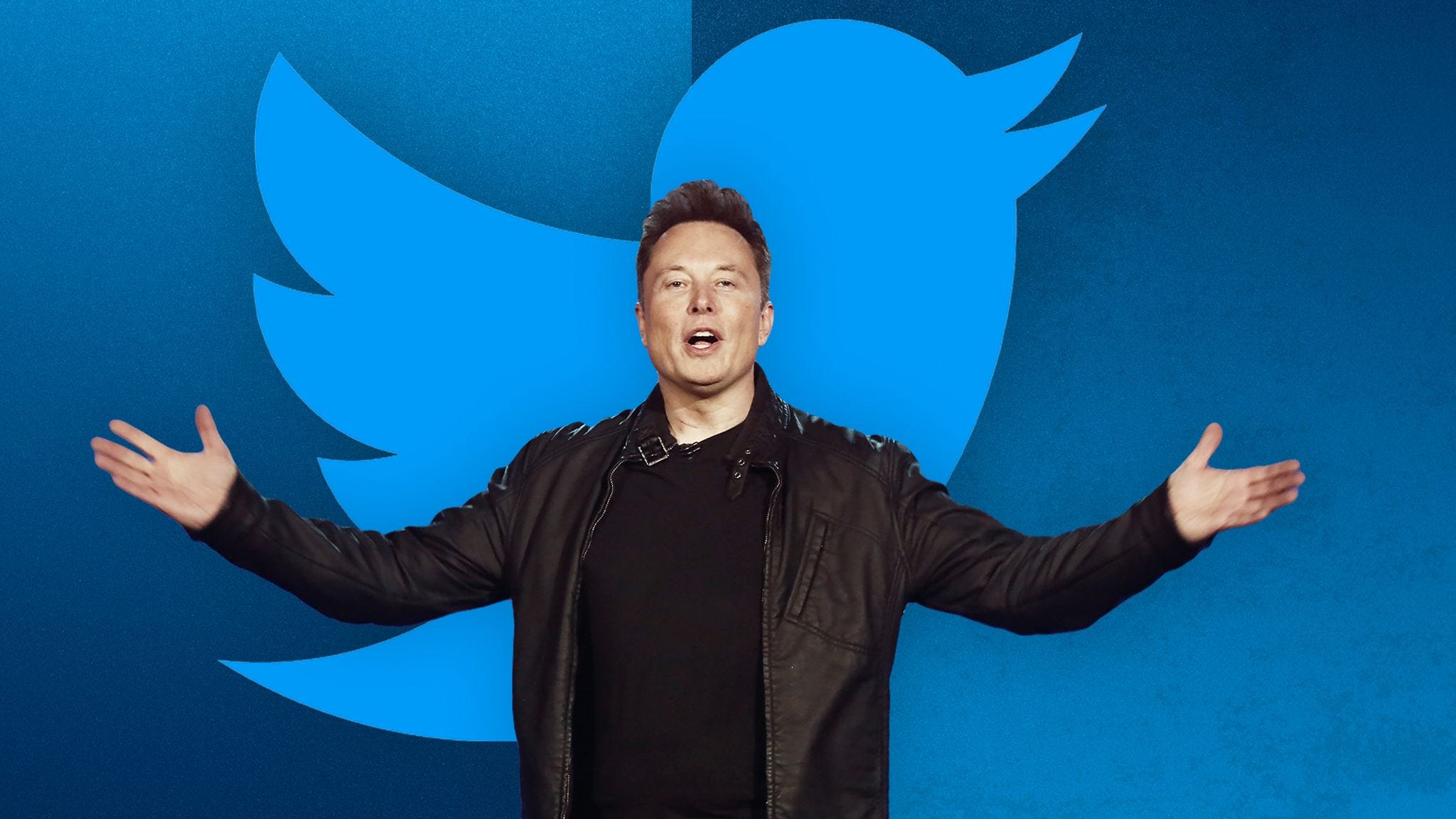
The scene could have been plucked from an indie film about misfit geniuses plotting their next big idea: a rustic Airbnb, complete with grazing donkeys and tractors dotting the grounds, just outside San Jose, California. Yet, this was no quaint retreat for daydreaming entrepreneurs. Here, Brett Taylor, the co-CEO of Salesforce and chair of Twitter’s board, waited alongside Twitter’s CEO, Parag Agrawal, for a man who had quickly become the most talked-about figure in Silicon Valley. Elon Musk was about to join their company, on paper, at least.
It was March 2022, and the stakes couldn’t have been higher. Musk, known for revolutionising industries and defying norms, had quietly amassed a substantial Twitter stake. Now, he held enough shares to force his way into their boardroom, or, if thwarted, into creating a rival platform. Brett’s text to a colleague summed up the absurdity of their meeting venue: “Donkeys and tractors, Airbnb sure knows how to pick ‘em.” A dose of fun in the middle of what was, in reality, a high-stakes negotiation.
As Elon’s sleek Tesla rolled up, the man himself emerged, exuding a relaxed confidence. His appearance was deceptively casual, but his entrance signalled the moment’s gravity. Musk had been leveraging Twitter for years as a platform for ideas, provocations, and sometimes sheer entertainment. But now, his interest had evolved into something more strategic, bordering on obsessive.
As they sat down, the conversation started lightly, peppered with jokes about the location’s farm-animal charm. But it wasn’t long before Musk’s intensity sharpened the discussion. He said Twitter had become the “global town square,” but it was broken. “It’s a tool that could foster freedom of expression for billions,” he emphasised, “but right now, it’s strangled by its own rules and lack of innovation.” His vision for Twitter was clear yet characteristically audacious: a digital agora unshackled by corporate caution.
Parag and Brett, though eager to keep Musk cooperative, were careful not to let their guard down. They recognised the risks. Musk had been vocal, often erratically, about his opinions on leadership, free speech, and tech’s role in democracy. If his ideas aligned with Twitter’s values, that would be great. If not, he could disrupt their ecosystem in ways they hadn’t prepared for.
Brett leaned in, his tone measured. “We’d welcome your perspective as a board member. Collaboration could take Twitter in exciting directions.” Musk responded with a noncommittal nod, though his eyes suggested he was already calculating three steps ahead.
In the following days, Twitter employees were blindsided by the news. Slack channels buzzed with debates, speculation, and anxiety. The announcement carried an air of inevitability for Jim Redmond, a systems engineer. “Musk had always been this looming figure, half folk hero, half wild card. Some of us thought he might just stay a super user. Others saw this coming from a mile away.”
Elon wasted no time inserting himself into Twitter’s inner workings. He exchanged rapid-fire texts with Parag, suggesting everything from unwinding permanent account bans to redesigning the platform’s technical architecture. “I think we can make this place brilliant,” he wrote, adding with a characteristic flourish, “maximum amazing.” Parag, ever diplomatic, replied, “Let’s focus on what drives growth and sustainability. Your ideas can be game-changing, but we’ll need to prioritise.”
But the honeymoon period didn’t last. Within weeks, cracks began to show. Musk’s public commentary about Twitter became less collaborative and more critical. A particularly scathing tweet questioned the activity, or lack thereof, of Twitter’s most-followed accounts. The implication? Twitter’s relevance was waning. Parag’s private response to Musk was firm but restrained. “Criticism is fine, but this isn’t helping us build momentum.” Musk’s retort was sharp and curt: “What exactly did you achieve this week?”
By April, Musk’s relationship with Twitter’s leadership had soured dramatically. He declined his board seat with a flurry of texts that ended with an ominous declaration: “I’ll make an offer to take Twitter private.”
Musk’s ambitions for Twitter unfolded like a chess game, with the board as his opponent and every shareholder as a piece of his strategy. His endgame remained enigmatic, even to those closest to him. Was he trying to transform Twitter into an unfiltered bastion of free speech? Or was this just another example of his mercurial approach to business, part genuine innovation, part spectacle?
As the deal progressed, Musk’s eccentricities began to blur the lines between brilliance and chaos. He dismissed criticisms with memes and cryptic tweets, while his supporters rallied behind the idea that he was the only person capable of turning Twitter into something revolutionary. Meanwhile, sceptics questioned whether his methods, though bold, were destabilising.
The drama reached its crescendo in mid-2022, as Musk moved to acquire Twitter outright for $44 billion. His bid was audacious but fraught with complications. It wasn’t just a financial gamble but a wager on his ability to reshape one of the world’s most influential social platforms in his image.
In retrospect, the meeting at the donkey-filled Airbnb seemed almost quaint. It began a saga that would challenge every notion of what a social media platform could, or should, be. For Musk, it was just another chapter in his relentless pursuit of exponential ambition.
Calculated Chaos
The boardroom tension was palpable as Brett Taylor, Twitter’s board chair, ended another frustrating call with the company’s CEO, Parag Agrawal. Once a potential ally as a board member, Elon Musk rejected their offer of a seat at the table. Instead, Musk declared an audacious plan to buy Twitter and take it private. In a follow-up text to Brett, Musk’s tone was as bold as ever: “Expect my formal offer soon. Fixing Twitter requires more than discussions.”
The formal offer wasn’t far behind. Four days later, the world woke to a simple tweet: “I made an offer.” Musk had submitted an SEC filing, proposing to buy Twitter for $54.20 per share, a total of $44 billion. The bid was eye-popping, not just for its financial implications but for its high-stakes gambit. Accompanying the sweetened deal was an unmistakable warning: if Twitter’s board rejected the offer, Musk might sell his shares, flooding the market and sending the stock into freefall. It was the corporate equivalent of holding a match over a barrel of gasoline.
Brett convened an emergency meeting of the board. Advisors from Goldman Sachs and top-tier legal teams scrambled to weigh options. The poison pill, a tried-and-true corporate defence tactic, was quickly deployed. It was designed to dilute Musk’s stake if he bought more shares, but it was the board’s way of staving off a hostile takeover. But they knew this was merely a temporary fix. Musk had already demonstrated a knack for outmanoeuvring conventional corporate strategies.
On the other side of the chessboard, Musk kept pushing his narrative. During an interview at a tech conference in Vancouver, he described Twitter as a critical “arena for free speech,” asserting that its current model failed to deliver on its potential. His pitch was grandiose, framed not in terms of profits but in existential terms about the future of civilisation. Critics dismissed it as hyperbole; his supporters saw it as visionary. Regardless of interpretation, Musk’s rhetoric ensured that Twitter’s fate dominated headlines.
But the board wasn’t swayed by rhetoric alone. They questioned the legitimacy of Musk’s offer. Despite being the world’s richest man on paper, most of his wealth was tied to Tesla stock. Musk hadn’t secured financing for the $44 billion bid, leaving a significant gap in his ambitious proposal. Undeterred, Musk leaned on his network. Texts to billionaire Oracle founder Larry Ellison and venture capitalist Jason Calacanis were casual yet practical: “Want in? Let’s change Twitter together.” Ellison’s reply? “I’ll pitch in $2 billion.” The plan was coming together, piece by piece.
The frenzy culminated with Musk’s decision to waive due diligence, a staggering move. In doing so, he agreed to purchase Twitter without thoroughly examining its financial or operational health. It was a gamble that sent shockwaves through the corporate world. “Who buys a $44 billion company without a full inspection?” asked one baffled industry insider. The answer, it seemed, was Elon Musk.
Within weeks, the Twitter board was backed into a corner. Their fiduciary responsibility to shareholders left them with little choice but to accept the deal. A few days later, the announcement came: Musk would acquire Twitter. The company would change hands by October. While Wall Street buzzed with analysis and speculation, Twitter employees reacted with confusion and trepidation.
Nia, an advertising executive at Twitter, described the shift as surreal. “One moment, we’re talking about platform updates; the next, we’re being sold to a man whose tweets about aliens get more engagement than some countries’ leaders.” For employees like her, Twitter wasn’t just a workplace but a culture defined by inclusivity and collaboration. With his unpredictable style and penchant for polarising statements, Musk represented a stark departure from that ethos.
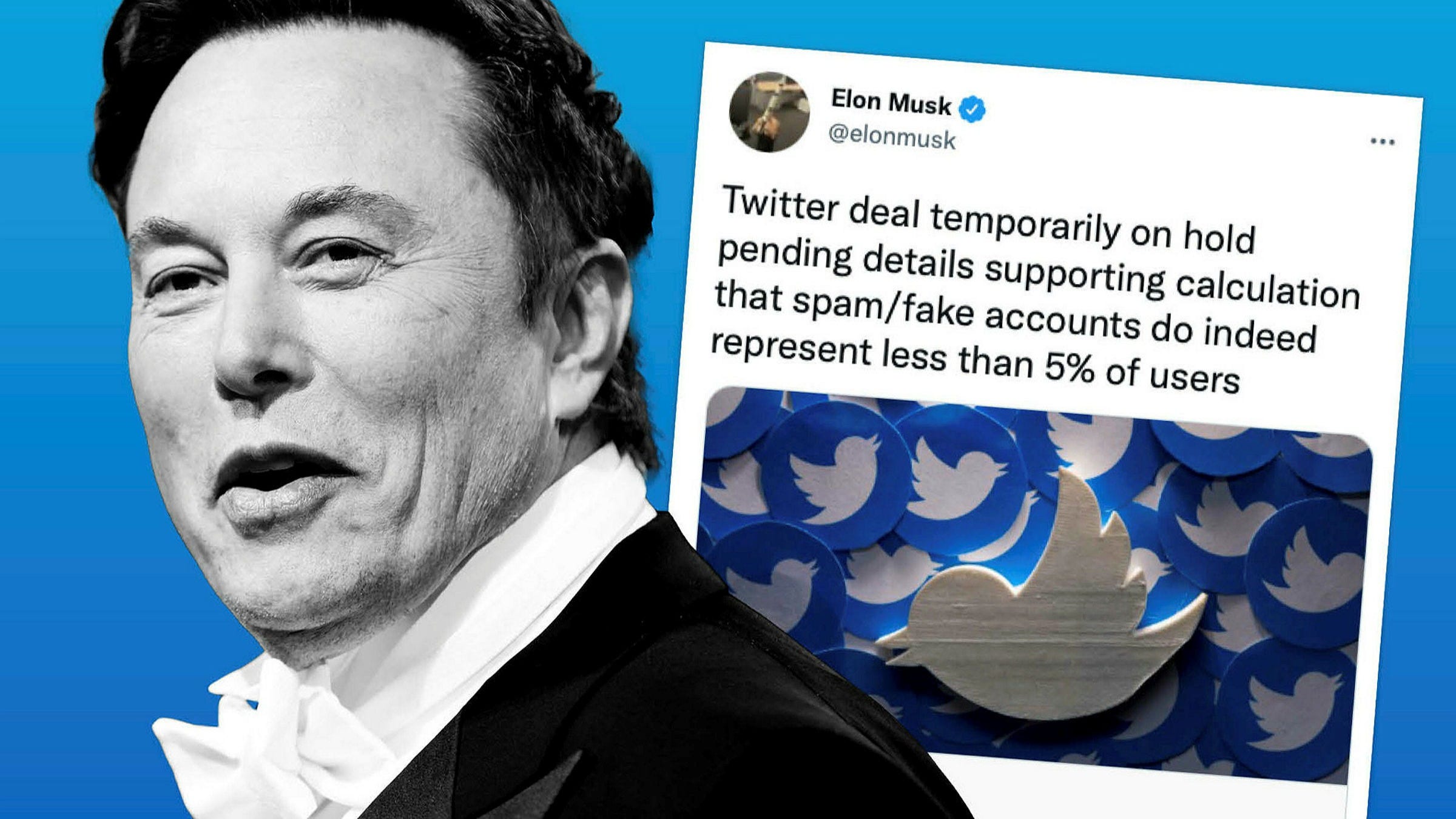
Tensions only escalated as Musk took to the platform he was acquiring to critique it. He accused Twitter of being infested with spam accounts and bots, claims he used to question the platform’s valuation publicly. These comments didn’t just rattle employees, they shook the stock price. “One tweet from him, and millions of dollars in value could disappear,” Nia lamented.
Amid this chaos, Musk finally addressed Twitter employees directly. In a virtual town hall, he appeared via his phone’s camera, perched casually in what appeared to be his kitchen. His answers were meandering, touching everything from remote work to his vision of reaching a billion users. However, his responses lacked substance, leaving employees with more questions than answers. “He went on about aliens and trust,” said one participant. “It felt like a bad pitch meeting for a sci-fi movie.”
Despite the unease, Musk’s confidence never wavered. By June, he had secured the necessary funding, silencing doubters who questioned the deal’s feasibility. Still, cracks were beginning to show. The market downturn, exacerbated by geopolitical tensions, threatened his ability to fund the purchase without significant losses. Musk’s private messages revealed his concerns, particularly about the volatile Tesla stock underpinning much of his wealth.
In a surprising twist, Musk began hinting at pulling out of the deal, citing concerns over Twitter’s user metrics. The board, however, held firm. They knew Musk’s waiver of due diligence left him legally bound to the purchase. For once, Twitter’s leadership had the upper hand.
But the question remained: why had Musk pursued Twitter enthusiastically, only to question his decision months later? Was it hubris, a calculated gamble, or something more profound, a genuine belief in reshaping one of the world’s most influential platforms?
“Calculated chaos” became the defining theme of Musk’s acquisition journey. His actions defied convention, blending brilliance with recklessness. The deal wasn’t just a corporate transaction but a spectacle, revealing as much about Musk’s ambitions as it did about modern business.
Breaking the Bird
Sun Valley, Idaho, was a quiet retreat nestled against the scenic Sawtooth National Forest for decades. Each July, however, this quaint mountain town transformed into a haven for billionaires and power brokers. The annual Sun Valley Conference, hosted by boutique investment bank Allen & Co., became synonymous with discreet deals and casual elitism. This year’s event was no exception, but the spotlight wasn’t on new ventures, it was on the storm surrounding Elon Musk and Twitter.
Musk, a tech mogul at the height of public fascination, was scheduled to headline the event. His bid to acquire Twitter for $44 billion had dominated headlines for months, oscillating between intrigue and outright chaos. As the conference began, however, Musk was conspicuously absent. In his stead, Twitter executives Brett Taylor, Parag Agrawal, and Ned Segal wandered the event, refusing to comment on Musk or the impending deal. Their silence fueled speculation: was the deal on the verge of collapse?
Musk’s delayed arrival only heightened tensions. When he finally appeared, he wasted no time reigniting the controversy. Filing an SEC notice mid-conference, Musk declared his intention to terminate the Twitter deal, citing allegations of misrepresented user data and a failure to meet contractual obligations. The timing was calculated. The filing was a proverbial bombshell at Sun Valley, where every whispered comment carried weight.
The following day, Musk took the stage. The conference room buzzed with attendees eager to see how the man of the hour would address the unfolding drama. Yet, Musk critiqued Twitter with characteristic flair instead of clarifying his position. He criticised the platform’s user metrics, questioned its bot problem, and derided its content moderation policies. Sitting in the audience, Taylor, Agrawal, and Segal maintained stoic expressions, unwilling to fuel the spectacle. Musk’s performance, while polarising, achieved its intended goal: to position himself as the aggrieved party in the eyes of shareholders and the public.
But Twitter wasn’t backing down. Armed with an airtight purchase agreement, the board saw Musk’s retreat as a breach of contract. Within days of the Sun Valley spectacle, Twitter sued Musk, forcing the deal into Delaware’s Chancery Court. The legal proceedings quickly became the focus of Wall Street and tech insiders, promising a battle between Musk’s unpredictability and Twitter’s resolve.
The case escalated with a pretrial hearing to set the trial date. Musk’s legal team requested a February 2023 start, hoping delays would weaken Twitter’s position. Every additional day allowed Musk to sow uncertainty, eroding Twitter’s stock value and casting doubt on its future. Twitter’s lawyers pushed for urgency, emphasising the damage Musk’s behaviour inflicted on the company. The court sided with Twitter, setting the trial for October 2022, a decisive victory for the social media giant.
As the trial loomed, Musk’s legal strategy leaned heavily on discrediting Twitter’s claims about spam accounts and user authenticity. Musk demanded extensive data disclosures, even subpoenaing former CEO Jack Dorsey. Simultaneously, Musk’s erratic public behaviour continued to undermine his credibility. A now-infamous response to a detailed Twitter thread from Agrawal explaining spam detection methods was a single emoji: a poop symbol. Such antics, while entertaining to Musk’s fanbase, further strained relations with Twitter and its employees.
Behind the scenes, Musk’s network of allies surfaced in newly released text messages. These exchanges revealed a blend of opportunism and ego, with billionaires and investors jockeying for influence. Oracle co-founder Larry Ellison casually pledged billions, while venture capitalist Jason Calacanis positioned himself as Musk’s trusted adviser. The texts, while illuminating the personal dynamics of high-stakes deal-making, painted a less flattering picture of the process: more high school clique than corporate rigour.
By late September, Musk’s legal team faced mounting pressure. Tesla’s stock, the cornerstone of Musk’s wealth, had tumbled amid economic uncertainties, complicating his ability to finance the Twitter purchase. The strain culminated in a reversal. Musk informed Twitter of his willingness to proceed with the deal at the original price of $54.20 per share. The decision, though pragmatic, was seen as a concession that Musk’s tactics had failed to derail the process.
On October 26, Musk made a theatrical entry into Twitter’s San Francisco headquarters, carrying a porcelain sink. “Let that sink in,” he joked, a pun that quickly trended online. While the stunt amused his followers, it symbolised the finality of Musk’s takeover. However, it began a troubling era for Twitter’s employees.
Within hours, Musk ousted key executives, including CEO Parag Agrawal and CFO Ned Segal. Reports circulated that Musk planned to slash up to 75% of Twitter’s workforce in a bid for profitability. Engineers were asked to print their code for review, a request that baffled and frustrated the tech-savvy staff. “Why print code in a digital-first company?” one employee remarked. “It felt like a test of loyalty more than competence.”
The culture Musk inherited at Twitter, a collaborative, values-driven ethos, clashed with his combative management style. Employees, once proud of their contributions, now faced uncertainty and distrust. Musk’s arrival signalled a shift in leadership and a complete upheaval of what Twitter had stood for.
By Halloween, the deal was finalised. Musk’s tweet, “The bird is freed,” encapsulated his vision for an unshackled Twitter. For employees, it felt more like captivity. The “Chief Twit” had arrived, bringing with him not only grand promises but also unprecedented chaos.
Relentless Innovation
Jim Redmond, a seasoned incident manager at Twitter, grappled with the chaos of a new reality following Elon Musk’s company acquisition. Historically, his role was to ensure the smooth functioning of the site during significant moments. Ironically, after the acquisition, the incident was Twitter itself.
“It was like watching storm clouds gather on the horizon,” Jim said, hinting at the organisation’s uncertainty and tension. Employees weren’t just weathering the storm but waiting to see its magnitude. Over 7,000 employees braced for an inevitable upheaval, rumours swirling that layoffs were imminent.
The Lodge, a rustic cabin transplanted to Twitter’s HQ, was a hub for camaraderie and collaboration. On that fateful day, it turned into a setting of trepidation. Employees congregated, sharing snacks and memories, while dread buzzed through the room. Then came the moment of truth. Phones buzzed in unison.
Someone pulled out their phone, looked at it, and gasped. One by one, everyone checked their emails, faces mirroring the shock that rippled across the room. A brief message confirmed what many feared: mass layoffs were underway. Signed simply “Twitter,” it outlined that every employee would know their fate by 9 a.m. the following day.
The fallout began almost immediately. Security guards swept through the building, ensuring compliance with the evacuation orders. Employees gathered their belongings, aware it might be their last time in the building that had fostered their careers and friendships.
For some, the layoffs arrived as an early-morning notification. “I woke up, read the email, and walked into my mom’s room to share the news, I no longer had a job,” Nia, a sales manager, recalled. Her team, responsible for a significant portion of Twitter’s ad revenue, wasn’t spared. Slack channels were filled with farewell emojis, and employees paid tribute to their colleagues: “You made this place special.”
By the day’s end, Twitter had shed half its workforce, 3,700 people. Teams responsible for critical infrastructure, content moderation, and advertising were either decimated or outright erased. Many employees discovered their termination not through an email but by being locked out of their work accounts. Still employed for the time being, Redmond described the atmosphere as surreal: “It was like walking through the aftermath of a battle, piecing together who was left and who we’d lost.”
Even those retained weren’t reassured. Departments were now shells of their former selves, and strategic communication was virtually nonexistent. “Entire teams vanished overnight,” noted Sasha Solomon, a key player in Twitter’s infrastructure team. “It felt like the company was hollowing itself out from the inside.”
The layoffs were not merely cuts but a herald of Musk’s new ethos for the company. His first company-wide email set the tone: no remote work and a demand for “relentless effort.” It was clear Musk envisioned a leaner, more agile Twitter, but his approach lacked clarity or cohesion. During an all-hands meeting, Musk emphasised the need for employees to “be in the trenches” to achieve lofty goals. Yet, specific strategies remained elusive. “He talked about Tesla and SpaceX more than he talked about Twitter,” remarked one employee, frustrated by the lack of actionable direction.
In a midnight email, Musk challenged employees to choose between his vision and a generous severance package. “To build a breakthrough Twitter 2.0, we need to be relentless in our intensity,” the email stated. The response was divisive. Some employees embraced the directive, seeing it as an opportunity to reshape the company’s future. Others felt alienated by what seemed an unsustainable demand for loyalty.
A product manager, Esther Crawford, symbolised one camp by posting a picture of herself sleeping at the office. The image drew a mixture of admiration and criticism. To some, it epitomised dedication; to others, it was performative. For Redmond, the ultimatum highlighted a fundamental disconnect. “If you want to rally people, this isn’t how you inspire them.”
Under Musk’s leadership, Twitter was transforming, not just in structure but in identity. The days of meditation rooms and flexible hours were over. What remained to be seen was whether this new, “relentless” Twitter could achieve the breakthrough Musk envisioned or if it was already hurtling toward a precarious future.
Targeted Decisions
Elon Musk’s email to his workforce, a direct request, shook Twitter to its core. Employees were given a stark choice: commit to a demanding new regime or leave with severance. A Google form in the email offered no nuance, just a single checkbox indicating allegiance: “Yes, I’m in.” The directive spurred confusion and scepticism. Was this a genuine message from leadership, or had it been spam? Clarity soon followed as Musk’s advisors confirmed its legitimacy, but it wasn’t the reassurance anyone hoped for.
The bold ultimatum backfired spectacularly. Instead of inspiring unity, it triggered a wave of resignations. As the deadline loomed, reports surfaced that key personnel, those crucial for Twitter’s survival, had chosen to leave. Realising the depth of their misstep, Musk and his advisors scrambled to retain talent, making personal calls to those they couldn’t afford to lose. Yet the damage was done. By week’s end, approximately 1,200 more employees had departed, leaving the workforce two-thirds more minor than just weeks prior.
The exodus spurred speculation about Twitter’s stability. Internally and externally, the consensus was bleak. “Rip Twitter” trended across the platform as users flooded timelines with memes, eulogies, and criticism. Yet, for those who understood the durability of technological infrastructure, the site’s continued operation wasn’t a surprise. Twitter’s systems had been engineered to endure. As one insider noted, “The platform’s stability wasn’t tied to the number of people on payroll, it was built to function autonomously for extended periods.”
Still, questions about the platform’s future persisted. The cultural shock within the organisation mirrored the growing unease among users. For many, the platform’s unpredictable direction under Musk’s leadership was a more significant concern than any technical instability.
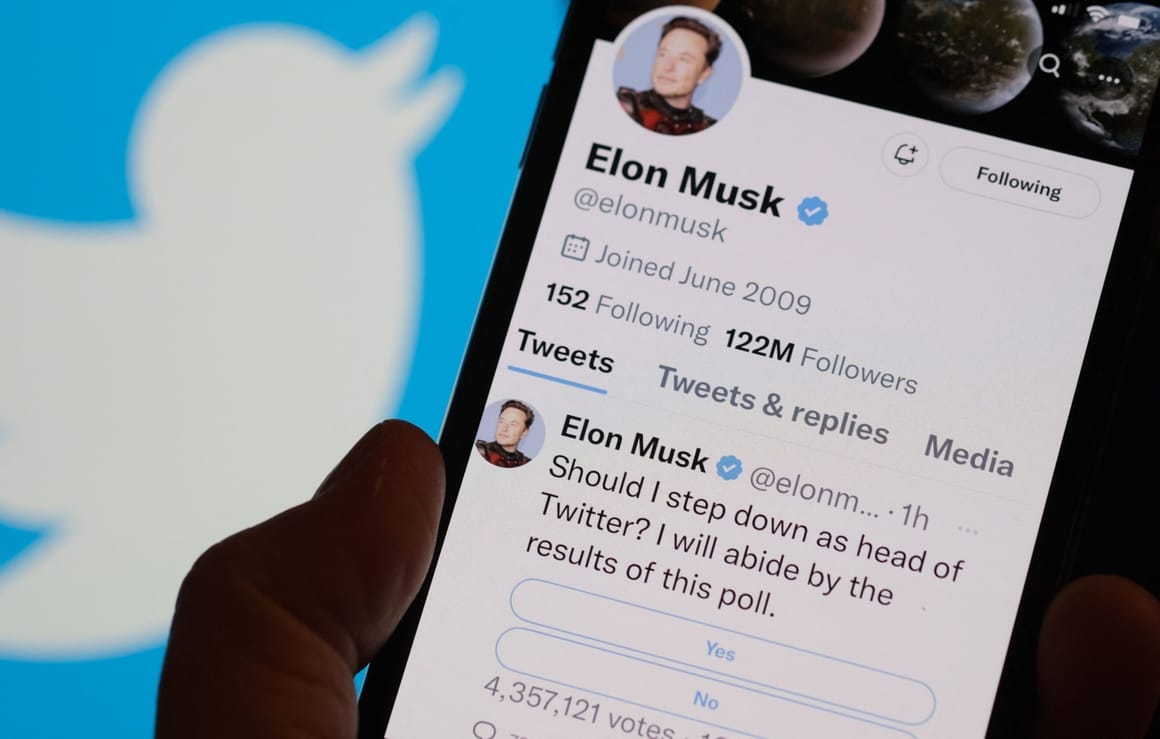
Musk’s ambitions for Twitter went far beyond cost-cutting measures. He envisioned it as the global hub for free speech, regardless of the revenue implications. In a symbolic move, he reinstated controversial figures, including former President Donald Trump, based on a user poll. Yet, his laissez-faire stance toward free speech faced its first significant test when Kanye West, freshly returned to the platform, posted inflammatory imagery. Musk acted swiftly, suspending West’s account, explaining that while freedom of expression is vital, incitement to violence crossed a line.
The balancing act between upholding free speech and maintaining safety underscored the challenges of running Twitter. “We can’t afford to ignore harmful behaviour,” Musk remarked during a public forum on Twitter Spaces. However, his critics argued that his actions were more reactive than principled.
To build public trust, Musk initiated the release of internal documents dubbed the “Twitter Files.” Handpicked journalists were given access to company communications that purportedly revealed political biases in content moderation decisions. The revelations, unveiled in tweets, claimed that government agencies had influenced moderation policies and that Twitter’s previous leadership had made decisions that disproportionately affected conservative voices.
The rollout was polarising. While some viewed the disclosures as a necessary step toward transparency, others criticised the selective presentation of information. Even former Twitter CEO Jack Dorsey called for a full, unfiltered release, asserting, “Transparency means everything is on the table, not just a curated subset.”
Musk’s transparency campaign coincided with heightened personal risks. After his private jet’s movements were tracked by an account called “ElonJet,” Musk banned it from Twitter, citing safety concerns. He claimed the account contributed to a stalking incident involving his young son. While the flight data shared by the account was publicly available, Musk’s decision to alter Twitter’s policies to justify its removal drew criticism. It also marked a sharp pivot from his earlier stance, where he had declared that his commitment to free speech extended even to accounts tracking his jet.
Critics pointed out the inconsistency. For a self-proclaimed champion of free expression, Musk’s actions suggested a willingness to impose limits when personal stakes were involved. The fallout deepened when journalists who reported on the ElonJet saga were suspended. Musk defended the move, equating the sharing of location data to sharing “assassination coordinates.”
Under Musk’s leadership, Twitter’s governance began to resemble a one-person show. His decisions, often made on impulse, exposed a platform struggling to reconcile ideals with practicalities. The suspension of journalists, the sudden policy changes, and the rollout of contentious features signalled a company adrift.
Some of Musk’s closest allies began to voice their concerns. One commentator noted, “The challenges of running Twitter aren’t like engineering electric cars or rockets. They’re rooted in human psychology, where there’s no definitive right answer.” It was a striking observation: Musk, known for solving technical puzzles, was now grappling with the unpredictable complexities of human behaviour.
Despite the chaos, Musk seemed undeterred. “The overarching goal,” he reiterated in a public forum, “is for Twitter to be a force for good, a global town square where ideas flow freely.” Whether his vision could withstand the turbulence of his methods remained an open question.
The Cost of Attention
Just days before Super Bowl 57, Elon Musk strode into a conference room at Twitter’s headquarters, a room now emblematic of the platform’s survival under his leadership. Four months into his ownership, Musk had dramatically reshaped Twitter. Over three-quarters of the workforce was gone, servers critical to the platform’s reliability had been shut down, and trust in the platform was wavering. Yet, the focus of this meeting was neither Twitter’s fragility nor its role during one of the most active days of the year. Musk had another concern: Why weren’t his tweets reaching as many people?
With 130 million followers, Musk was Twitter’s second-most-followed account, trailing only Barack Obama. He tweeted prolifically, averaging one post per hour. However, a newly implemented view counter, one of Musk’s many personal feature requests, revealed a troubling trend. His tweets were drawing fewer views.
Musk’s conclusion? A bug in the system was suppressing his content, possibly even introduced maliciously by an employee. A group of engineers had been summoned to investigate. When they presented their findings, the answer was more straightforward, if less palatable: Interest in Musk was waning. Google Trends data showed that public fascination with him had peaked during his announcement to purchase Twitter but had declined sharply.
Confident in the analysis, the lead engineer presented the data with a smile. Musk’s reaction was swift. He fired the engineer in a moment of fury, leaving a chilling message for the remaining team. At that moment, Twitter’s impending technical challenges, most critically, the looming Super Bowl, seemed less important than bolstering Musk’s digital presence.
As Super Bowl Sunday unfolded, Twitter faced its most significant stress test of the year. The event traditionally drove enormous user engagement, with millions of tweets about the game, commercials, and the much-anticipated halftime show. For a brief, dazzling moment, Rihanna’s performance dominated the platform. Then, suddenly, the site faltered. “Error: Tweets aren’t loading right now” appeared on screens across the globe, a stark reminder of the platform’s fragile infrastructure.
The outage, lasting nearly 30 minutes, exposed Twitter’s instability at a critical moment. For advertisers, who had invested millions for prime-time visibility, the disruption was more than a technical glitch, a breach of trust. For Musk, the platform’s failings only compounded his frustrations. Amid the chaos, his tweets, like a congratulatory note to the Eagles, were underperforming compared to posts from figures like President Joe Biden. Musk deleted his tweet, a symbolic concession to a night of mounting losses.
Determined to reverse the decline in his tweet engagement, Musk turned to drastic measures. Shortly after the game, his cousin, James Musk, issued a midnight call to action, summoning engineers to address what Musk deemed an urgent “engagement issue.” The solution? Reprogram the algorithm to ensure Musk’s tweets gained prominence.
Overnight, engineers implemented changes that gave Musk’s posts an unparalleled boost, even adding a “power user multiplier” to elevate his replies. By morning, Twitter’s feed had transformed. Users awoke to timelines dominated by Musk’s commentary, regardless of their preferences. The reaction was immediate, and overwhelmingly negative. Critics mocked Musk for effectively paying $44 billion to amplify his voice.
Unfazed by the backlash, Musk found humour in the uproar, sharing a meme that framed his actions as a tongue-in-cheek victory. But the spectacle highlighted a troubling shift: Twitter’s algorithm was now hardcoded to prioritise its owner, reshaping the town square into a platform where one voice could dominate.
Musk’s changes weren’t limited to boosting his visibility. He pushed for rapid feature rollouts and slashed costs, aiming to stabilise the platform financially, yet his management style, marked by impulsive decisions and erratic priorities, exacerbated Twitter’s challenges. Content moderation weakened, advertisers hesitated, and users grew weary of a platform increasingly defined by unpredictability.
By April 2023, even Musk’s early supporters expressed doubts. Twitter’s co-founder and former CEO, Jack Dorsey, publicly questioned Musk’s leadership, admitting that the sale “hadn’t turned out as hoped.” Dorsey, who had once championed Musk as Twitter’s saviour, had already migrated to Blue Sky, a rival platform he helped create.
Musk’s tenure underscored the risks of conflating personal experience with platform strategy. His engagement woes stemmed not from systemic flaws but from the unique dynamics of being Twitter’s most polarising figure. As a power user, Musk’s tweets attracted a disproportionate share of spam, criticism, and chaos. Yet, his solutions catered to VIP users like himself, overlooking the broader needs of Twitter’s diverse community.
The platform’s challenges weren’t purely technical. They involved navigating complex questions about free speech, content moderation, and global discourse, questions that defied the engineering mindset Musk had successfully applied to rockets and electric cars. As he admitted in an uncharacteristic moment of candour, running Twitter was a messier endeavour than he had anticipated.
In May 2023, Musk announced a new CEO, signalling his intent to step back from day-to-day operations. Yet his ownership ensured that Twitter’s direction would remain closely tied to his vision. The platform’s future (whether as a hub for cultural moments or a megaphone for Musk’s musings) remains uncertain.
For now, Twitter reflects the identity of its owner: audacious, unpredictable, and deeply polarising. Whether it thrives or falters will depend on whether Musk can reconcile his ambitions with the platform’s broader mission. Until then, the world watches, refreshes, and wonders what might load next.
Twitter Reconstructed
When Elon Musk first announced his acquisition of Twitter, many dismissed it as a joke. The proposed purchase price, $54.20 per share, seemed more like a reference to his well-known affinity for the number 420 than a serious bid. When Musk walked into Twitter’s San Francisco headquarters, theatrically carrying a sink to punctuate the phrase “Let that sink in,” one thing was clear: the world’s richest man was about to transform the world’s most influential microblogging platform.
For all the spectacle surrounding Musk’s takeover, the reality of running Twitter proved far less amusing. The initial six weeks of his tenure exposed a chaotic approach to leadership that blended audacious ideas with haphazard execution. Musk’s humour, often a signature of his public persona, seemed ill-suited to an environment demanding precision and care. The question arose: Was Musk reshaping Twitter into his vision of a public square, or was his leadership eroding its foundation?
Musk declared early in his tenure that “comedy is now legal on Twitter,” a proclamation that captured his libertarian ethos and belief in the platform’s potential as a playground for wit and satire. Historically, Twitter thrived as a space for humour and creative expression, a proving ground where countless comedians and writers honed their craft. The platform’s character limit required brevity, challenging users to deliver punchlines precisely.
Yet Musk’s comedic sensibilities often clashed with the platform’s evolving cultural context. His attempts at humour, ranging from irreverent memes to stolen quips, failed to resonate with a growing number of users. For Musk, humour wasn’t just entertainment but a means of connecting with his audience. Critics saw his jokes as forced, a departure from the organic exchanges that had once defined Twitter’s golden age of wit.
The hashtag “#RIPTwitter” became a viral rallying cry as Musk’s policies reshaped the platform. One of his earliest moves emphasised Twitter Blue, a paid subscription service, as a cornerstone of revenue generation. Verification, once a marker of authenticity, became accessible to anyone willing to pay a monthly fee. The change devalued the symbolic importance of the blue checkmark, frustrating legacy users and amplifying the voices of trolls and impersonators.
This shift in priorities wasn’t limited to verification. Musk openly reinstated previously banned accounts, citing a commitment to free speech. While his rhetoric emphasised transparency and inclusivity, his actions often prioritised the amplification of divisive and conspiratorial voices. “Twitter is now a marketplace of ideas,” Musk proclaimed, though critics argued it was becoming a cacophony of noise.
Twitter’s role as a global communication hub has long been both its strength and its challenge. It’s where revolutions have been documented in real-time but also where harassment and disinformation thrive. Musk’s changes tested the platform’s ability to maintain this delicate balance. By prioritising engagement above all else, Twitter began alienating key user groups, including journalists and marginalised communities, who once relied on the platform for connection and advocacy.
Musk’s critics contended that his approach lacked nuance. The platform risked becoming a hostile environment by dismantling many of the guardrails that moderated content. Simultaneously, Musk’s tweets often blurred the line between leadership and personal vendetta, notably when he suspended journalists for allegedly sharing location information. These decisions raised questions about whether Musk’s definition of free speech applied universally or was contingent upon his comfort.
For all the controversy surrounding Musk’s leadership, his vision for Twitter remained ambitious. He sought to position the platform as an indispensable tool for global discourse. To Musk, Twitter’s influence extended far beyond its financial viability; it was an engine for shaping public opinion. Yet, his handling of this responsibility was polarising. Supporters praised his willingness to defy convention, while detractors lamented what they saw as destabilising the platform’s core values.
The broader implications of Musk’s Twitter experiment extend beyond the platform itself. Social media companies have long struggled to balance profitability with ethical stewardship. Musk’s tenure highlights a fundamental tension: Can a platform of Twitter’s scale prioritise free speech while ensuring safety and inclusivity? Or are these objectives inherently at odds?
Twitter’s trajectory under Musk underscores the complexities of modern leadership. Unlike Tesla or SpaceX, where success hinges on engineering breakthroughs, Twitter is governed by human dynamics. Managing a social media platform demands sensitivity to culture, politics, and psychology, domains that resist Musk’s typical data-driven problem-solving.
Musk’s tenure has been a study in contrasts: a billionaire unafraid to take risks yet unprepared for their social repercussions. His stewardship of Twitter reflects the broader challenges facing all tech giants, how to responsibly wield influence in an era of rapid communication and deepening divides.
Whether Twitter survives Musk’s leadership intact or becomes a cautionary tale for the industry remains uncertain. What’s clear, however, is that Musk’s vision for the platform has irrevocably altered its identity. Now, The debate is whether Musk can change Twitter but whether Twitter can endure Musk’s changes.
Corporate Clashes Series by Samuel H. Vance
‘Breaking the Bird: Elon Musk’s Twitter Challenge’ is a serialised extract from Samuel H. Vance’s Corporate Clashes series of books.
You can order Corporate Clashes on Amazon
