

Country Label Upstart
It was a crisp February 2024 day when Taylor Swift’s private jet landed in Las Vegas. The pop icon had just wrapped up a sold-out performance in Tokyo the night before, yet here she was, stepping off her jet with effortless composure. Draped in a red and white Kansas City Chiefs jacket, she appeared more relaxed than anyone might expect of a global superstar juggling a 6,000-mile flight and a looming public appearance. Beside her were her closest allies: actress Blake Lively, rapper Ice Spice, and her ever-supportive parents. Despite the whirlwind schedule, Swift moved gracefully, greeting fans and friends in the stadium’s tunnels as if this moment of calm were an oasis in her frenetic world.
The media had been buzzing for days, treating Swift’s anticipated appearance like a suspenseful drama. Would she make it in time for the NFL game’s kickoff? The answer was yes, thanks to meticulous planning and a 17-hour time difference. However, the optics of her arrival transcended simple scheduling; this was another chapter in a carefully managed career that had turned Taylor Swift from a teenage prodigy into a global force.
Rewind two decades, and the scene was much different. Just a teenager, Taylor Swift signed with Big Machine Records, an upstart country label. It seemed like a dream come true at the time, a young artist landing a deal with a label eager to make her the next big thing. But hidden in the fine print was a clause that would haunt her for years: the rights to her master recordings belonged not to her but to the label. For an aspiring artist, masters may have seemed like an abstract concept. They were the key to the entire music business, dictating who controlled her songs and how they were used.
Swift’s talent and work ethic quickly proved the gamble worthwhile for Big Machine. By 2006, her self-titled debut album had put her on the map, and hits like “Teardrops on My Guitar” and “Our Song” established her as a new voice in country music. She was young, ambitious, and remarkably savvy. But the industry was ruthless, and Swift would soon learn how high the stakes were.
As Swift’s fame grew, so did her ambitions. By the early 2010s, she had begun shifting her sound, edging away from her country roots and diving headfirst into pop. The move wasn’t just about artistry, it was a calculated decision to broaden her appeal. Her 2014 album, 1989, was a masterclass in reinvention, packed with hits like “Shake It Off” and “Blank Space” that dominated charts worldwide. Yet even as she reached new heights, a nagging dissatisfaction with her label simmered beneath the surface.
Big Machine Records had helped launch her career, but its structure trapped her. Despite being one of the most powerful artists in the world, Swift lacked control over her most valuable assets, her music. The songs that had made her a household name were legally out of her hands. Worse still, whispers of an impending deal involving her masters began to circulate, threatening to put her life’s work into the hands of someone she neither trusted nor liked.
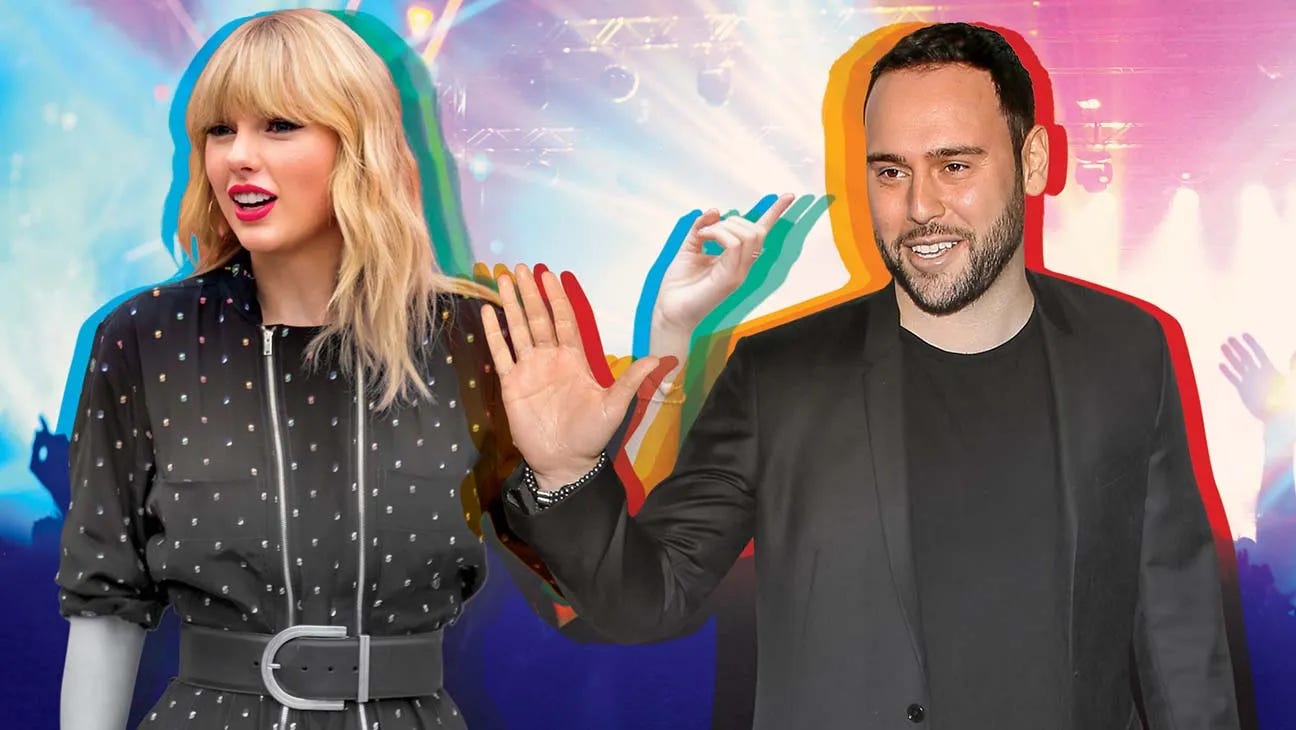
The deal involved Scooter Braun, a mega-manager who handles stars like Justin Bieber and Kanye West. Braun had a reputation for being a shrewd businessman, but Swift saw him as the antithesis of what she stood for. Their paths had crossed before, often acrimoniously. When she learned that Braun was poised to acquire Big Machine Records, and, with it, her masters, it felt like a betrayal. Publicly, she described it as her “worst-case scenario,” a sentiment that sparked a firestorm in the industry.
However, Taylor Swift was not the kind of artist to back down. As she prepared to fight for her work, she also began laying the groundwork for something bigger, a new chapter in her career where she would rewrite not just her music, but the industry’s rules.
Taylor Swift’s rise has always been a story of ambition and resilience. Her life seemed charmed from the outside: fame, fortune, and an army of loyal fans. But her battle to regain her masters revealed a darker reality of the music industry, where even the most successful artists could find themselves powerless against corporate interests. Swift had spent her early career playing by the rules, trusting the system to work in her favour. Now, she was ready to challenge that system, not just for herself, but for every artist following in her footsteps.
As Swift’s fight for control over her music unfolded, it became clear that this was more than a personal struggle. It was a seismic shift, a clash of ideals that would ripple across the industry for years. For Taylor Swift, the stakes couldn’t be higher. But then again, they never had been.
Bad Blood
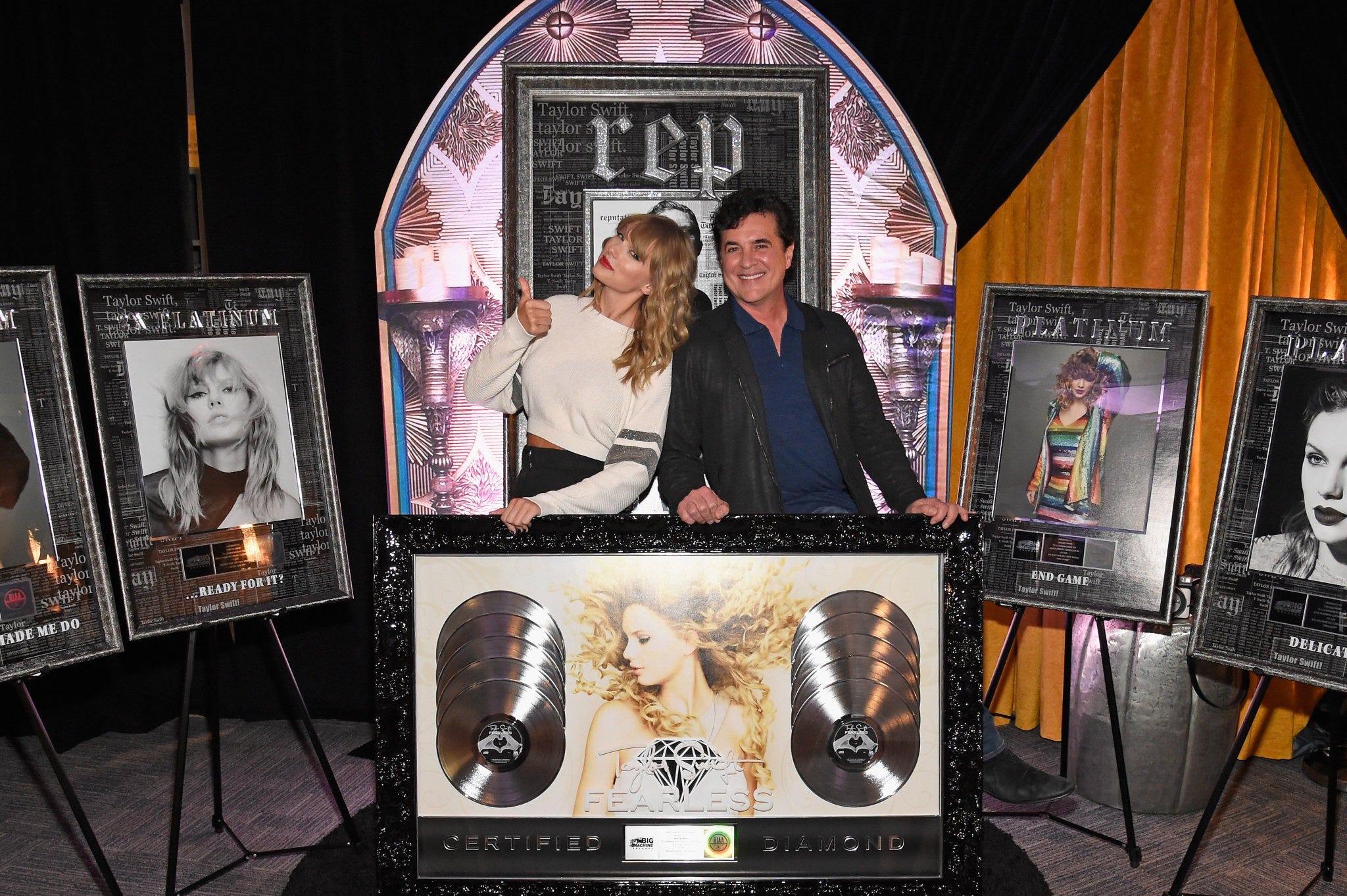
In the summer of 2014, Taylor Swift stood on the precipice of transformation. No longer content to fit the mould of country music’s golden girl, she had set her sights on something grander: the world of pop. But with that ambition came friction, particularly with Scott Borchetta, the head of her label, Big Machine Records. Their professional relationship, once the cornerstone of Swift’s meteoric rise, rapidly deteriorated as their visions for her music diverged.
The tension arose during a pivotal meeting at Big Machine’s Nashville office. Swift had just turned in her fifth studio album, a collection of sleek, synth-driven tracks that she considered her best work yet. But Borchetta wasn’t convinced. While he acknowledged the quality of the songs, he saw a glaring omission: country. “Radio loves you, Taylor,” he said, gesturing to the other executives around the table. “But they’re not going to play pop. We need at least a few country tracks.”
Swift, now 25 and far removed from the teenager who had signed with Big Machine nearly a decade earlier, didn’t flinch. Her response was measured but firm. “I’ve worked hard to create a cohesive album,” she explained. “Adding country tracks would only dilute the sound.” The room fell silent. For Borchetta, it was more than a disagreement over creative direction, a battle for control over the artist he had nurtured from the ground up.
Swift’s refusal to compromise wasn’t just about artistic integrity but a statement of independence. With her album, she wanted to move past the Nashville sound that had defined her early career and embrace a more cosmopolitan identity. She envisioned an album called 1989, inspired by her birth year, with a cover featuring her in a faded Polaroid, a bold departure from the glossy, full-face portraits typical of country music.
Borchetta pushed back, arguing that the album’s title and aesthetic were too obscure. “Why not name it after one of the songs?” he suggested, attempting to steer her toward a more conventional approach. But Swift was unmoved. For her, 1989 wasn’t just an album but a declaration of reinvention. “I want people to recognise me without seeing my face,” she said. “This is about the music.”
Swift may have yet to anticipate how her move into pop would ripple through the industry. She wasn’t merely breaking genre barriers but challenging the traditional dynamics between artist and label. Her insistence on creative autonomy sent a clear signal: she was no longer willing to play by the old rules.
The fallout from Swift’s transformation extended beyond her label. In November 2014, she boldly pulled her entire catalogue from Spotify, citing unfair compensation for artists. The move shocked fans and industry insiders alike, sparking heated debates about the future of music streaming. Spotify defended its model, claiming that Swift had already earned millions in royalties. However, for Swift, the issue wasn’t about money but principle.
In an op-ed published earlier that year, she had criticised streaming services for devaluing music. “Artists deserve to be paid for their work,” she wrote, articulating a sentiment that resonated with many in the industry. Her withdrawal from Spotify wasn’t just a protest; it was a calculated gamble that positioned her as a champion for musicians’ rights.
Behind the scenes, however, tensions were escalating. Borchetta, negotiating a sale of Big Machine, found himself at odds with Swift over her decision to leave Spotify. Their relationship, already strained, was nearing its breaking point. For Borchetta, the stakes were clear: Swift’s music was the crown jewel of Big Machine’s catalogue, and her actions risked devaluing the label. For Swift, it was a matter of principle, and control.
By the time 1989 debuted in October 2014, Swift was firmly in the driver’s seat. The album’s lead single, “Shake It Off,” topped charts worldwide, silencing critics who doubted her ability to succeed in pop. But even as she celebrated her victory, the seeds of conflict were already taking root. Borchetta’s unease about Swift’s independence grew as she questioned her contract with Big Machine.
In private meetings, Swift made it clear that her future with the label hinged on one condition: ownership of her masters. “I’ve given everything to this company,” she told Borchetta. “The least you can do is let me own my work.” But Borchetta wasn’t ready to relinquish control. For him, the masters weren’t just a symbol of power, they were a critical asset determining the label’s value in any potential sale.
As negotiations stalled, Swift realised that her fight was about more than just her music. It was about reclaiming her identity in an industry that often treats artists as commodities. And while she didn’t yet know it, the battle over her masters was only the beginning of a much larger war that would pit her against some of the most influential players in the music business.
The era of 1989 marked a turning point for Taylor Swift. It was a period of triumph, transformation, and mounting tensions that would soon boil over. As Swift prepared to face the challenges ahead, she carried a newfound determination, a belief that she would emerge victorious no matter the odds.
Rise of the Swifties
On June 29, 2019, Taylor Swift was home in her New York City apartment, winding down from promoting her forthcoming album Lover. The evening felt ordinary until her phone buzzed with a text message from Scott Borchetta, the head of Big Machine Records, her former label. It started cordially, congratulating her on the success of her first two singles under Universal Music Group. Then, the bombshell dropped: the Wall Street Journal was about to announce that Borchetta had sold Big Machine, and with it, Swift’s master recordings, to Scooter Braun’s Ithaca Holdings.
Swift froze. Braun, known for managing stars like Justin Bieber and Kanye West, was a figure she deeply distrusted. Years earlier, she had clashed with Braun when West released a demeaning song, exacerbating an already tumultuous relationship. Now, Braun owned her master recordings, songs that were the foundation of her career, songs she had tried for years to buy back. Swift felt blindsided, betrayed by Borchetta, who she believed had acted deliberately to hand her life’s work to someone she had openly opposed.
Within hours, Swift sat at her laptop and composed an emotionally charged post. In it, she described years of pleading to purchase her masters, only to be ignored. She accused Braun and Borchetta of manipulating and undermining her, calling the sale her “worst-case scenario.” “This is about controlling a woman who doesn’t want to be associated with you,” she wrote. The post wasn’t just a statement, it was a rallying cry and struck a chord with her millions of fans.
When the post went live, the internet erupted. Fans flooded social media, expressing their outrage. Some condemned Braun and Borchetta for exploiting Swift’s work; others debated whether Swift was justified in her anger. But there was no question among her most devoted supporters: Swift had been wronged, and they would fight for her.
Swift’s fandom, the Swifties, quickly became her most potent weapon. In August 2019, Swift announced on Good Morning America that she intended to re-record her first six albums. The move was as symbolic as it was strategic: by creating new versions of her songs, Swift could reclaim ownership of her catalogue and devalue the originals in Braun’s portfolio. The idea gained momentum when Kelly Clarkson, a fellow pop star, publicly encouraged her to follow through, tweeting that fans would flock to the re-recorded versions.
Braun, however, wasn’t standing still. His investors, already uneasy about the public backlash, began questioning the long-term value of the $300 million deal. Behind the scenes, Braun scrambled to reassure them that Swift’s re-recording plan was unlikely to succeed. But Swift’s next move rattled his confidence: she revealed her intention to include unreleased tracks in the re-recordings, adding an irresistible draw for fans.
By late 2019, tensions had reached a boiling point. Swift accused Braun and Borchetta of attempting to block her from performing her older songs at the American Music Awards or using them in a Netflix documentary. Her statement ignited another wave of fan outrage. Death threats began pouring into Braun’s office, prompting him to release a public plea for peace and safety. Swift, while horrified by the threats, stood firm in her criticism, maintaining that her only goal was to reclaim her work.
When Braun finally approached Swift to negotiate, he offered a deal that felt, to her, like another manipulation. He proposed that she sign a non-disclosure agreement barring her from speaking negatively about him, a condition Swift found unacceptable. “Why should I silence myself to buy back what is already mine?” she thought.
Instead, Swift doubled down on her plan. By early 2020, she had begun re-recording her albums, starting with Fearless. The new versions, labelled “Taylor’s Version,” were designed to sound nearly identical to the originals, with subtle updates to reflect her growth as an artist. When Fearless (Taylor’s Version) was released in 2021, it debuted at number one on the charts, a resounding success that reaffirmed the loyalty of her fanbase.
Braun eventually sold Swift’s masters to Shamrock Capital, an investment firm, distancing himself from the public firestorm. But Swift declined to work with Shamrock, refusing to profit alongside anyone still connected to Braun. Her focus remained on her re-recordings, which continued to dominate the charts.
The saga of Taylor Swift and her masters wasn’t just a personal battle but a turning point in the music industry. Her fight highlighted the inequities artists face, particularly young ones entering contracts without understanding their implications. It also underscored the power of fan mobilisation in the digital age. For Swift, reclaiming her catalogue wasn’t just about ownership; it was about rewriting the rules of an industry that had long dictated the terms of success.
With each re-recorded album, Swift demonstrated that the strength of an artist lies not just in their work but in their ability to inspire others to believe in it. Ultimately, she turned a story of exploitation into one of empowerment, once again proving that her most excellent ally was not a label or a contract but her voice.
The Ticketmaster Tangle
In mid-November 2022, Taylor Swift sat aboard her private jet, soaring high above the Atlantic on her way back from a triumphant night at the MTV Europe Music Awards in Düsseldorf. The plush night sky framed her view, but Swift’s mind was restless. Her publicist, Tree Paine, shared a new crisis brewing as she reclined in her leather seat. Tickets for Swift’s much-anticipated Eras Tour had gone on sale, and it wasn’t going well.
“Fans are all over Twitter,” Paine said, scanning her phone. “They’re saying they can’t get through. The system’s crashing.”
Swift straightened up, her earlier sense of accomplishment replaced by dread. Ticketmaster’s presale, a meticulously planned operation, was failing spectacularly. This wasn’t just any tour, it was her most significant yet, a sprawling celebration of her career that promised three hours of music spanning all her albums. To hear that fans couldn’t even secure tickets was an alarming blow.
Her manager, Robert Allen, confirmed the worst. “Ticketmaster says bots and scalpers hit the system hard,” he explained grimly. “They’re pausing the presale.”
Swift’s frustration bubbled over. “Millions of fans are missing out! This is supposed to be for them. What’s their plan to fix it?” The answer was evasive, and Swift knew she had a mounting disaster. If Ticketmaster couldn’t deliver, it wouldn’t just be the company’s reputation on the line, it would be hers.
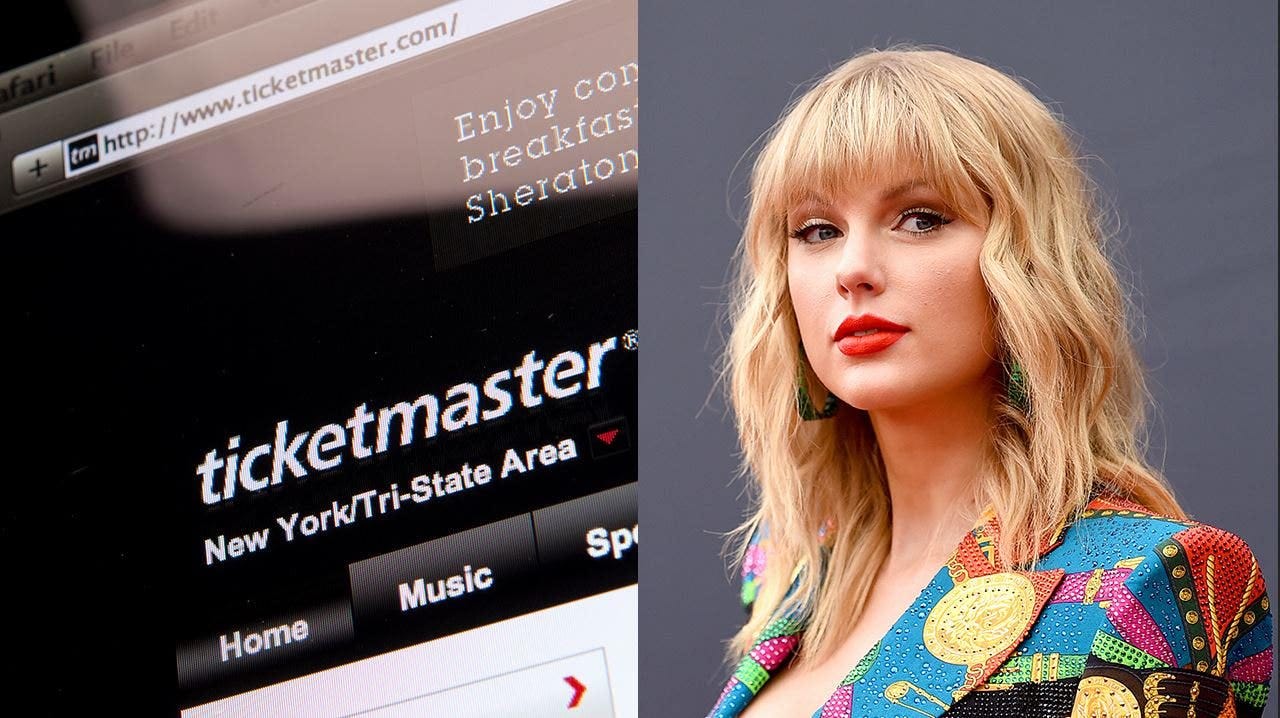
The presale had been designed to handle unprecedented demand. Fans were required to sign up in advance for a unique access code intended to make the process smoother and more equitable. But despite Ticketmaster’s assurances, their system buckled. Three and a half million fans had pre-registered, the largest turnout in the platform’s history, but many were left stranded in endless virtual queues. The promised access codes weren’t working for others, and even successful attempts to purchase tickets were often derailed by payment glitches.
Swift convened her team in New York. As they sat around her loft’s dining table, Allen laid out the grim numbers. “Out of the three and a half million registered fans, about one and a half million were sent codes. Two million others were put on a waiting list. We’ve sold two million tickets but still have two million fans waiting.”
Her father, Scott, shook his head in disbelief. “This isn’t just a problem, it’s a fiasco. How are they this unprepared?”
Swift’s response was firm. “This is unacceptable. The Eras Tour is supposed to celebrate my fans and this? It’s a disaster.”
When the general sale was cancelled a few days later, Ticketmaster blamed “extraordinary demand” and bots. But fans, and Swift herself, weren’t convinced. She took to social media to express her dismay, criticising Ticketmaster for failing to deliver on their promises despite repeated assurances they could handle the scale. Her statement was pointed: “We asked multiple times if they could manage the demand. They assured us they could. They were wrong.”
Swift’s fans, known for their loyalty and tenacity, turned their ire toward Ticketmaster. Social media exploded with demands for accountability. A tweet from Congresswoman Alexandria Ocasio-Cortez criticising Ticketmaster as a monopoly gained traction, echoing the growing sentiment that the company’s dominance in the ticketing industry was problematic. Even lawmakers on Capitol Hill began to take notice.
The debacle reignited debates about the merger of Ticketmaster and Live Nation, which critics argued had stifled competition. Senators Amy Klobuchar and Mike Lee announced a bipartisan investigation into whether the company was abusing its market power. The Department of Justice also launched an antitrust probe, with Swift’s ticketing crisis providing a high-profile catalyst.
Swift’s ordeal became a cultural flashpoint, uniting Democrats and Republicans in a rare show of agreement. Lawmakers grilled Ticketmaster executives at a Senate Judiciary Committee hearing in January 2023. Senator Richard Blumenthal quipped, “Ticketmaster needs to look in the mirror and say, ‘I’m the problem, it’s me,’” quoting a line from Swift’s hit “Anti-Hero.” The remark underscored how deeply Swift’s influence had permeated the conversation.
For Swift, the hearings were a vindication of her fans’ grievances. They had turned their frustration into a movement, spotlighting issues beyond a single concert tour. As lawmakers questioned Ticketmaster’s dominance and the broader implications of monopolistic practices, Swift found herself at the centre of a debate that could reshape the ticketing industry.
Despite the chaos, Swift’s Eras Tour ultimately sold out, cementing her status as a cultural juggernaut. But the ticketing debacle left a lasting impact. Fans’ fury became a rallying cry for change, and Swift’s willingness to hold Ticketmaster accountable resonated beyond her immediate audience. In the end, the controversy wasn’t just about tickets, it was about fairness, accessibility, and the power of one artist to challenge an entrenched system.
Swift had weathered another storm, emerging with her bond to her fans intact, perhaps even stronger. In an industry often driven by profits over people, she reminded everyone that the artist-fan relationship is the heart of it all.
The Swifty Ecosystem: An Unstoppable Cultural Force
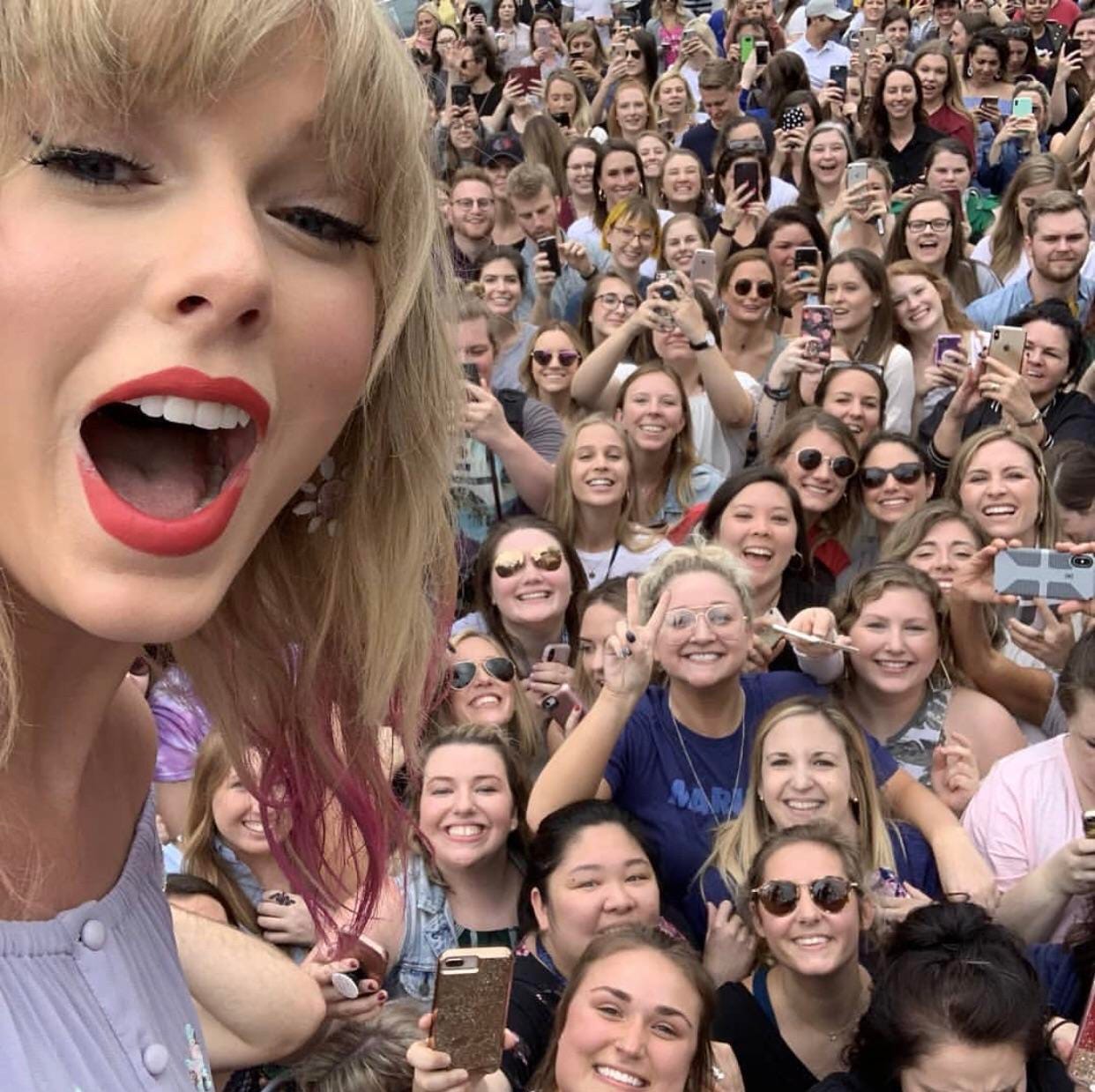
Taylor Swift’s ascendancy from country ingénue to global pop powerhouse represents more than just musical success; it reflects the evolution of an intricate and deeply engaged fan ecosystem. From the early days of replying to MySpace comments to dominating every corner of popular culture, Swift has cultivated a relationship with her fans that is both authentic and strategic. It’s not just a fanbase; it’s an empire, one that drives economies, reshapes industries, and captivates millions.
In her earliest days, Swift’s ability to forge personal connections with fans laid the foundation for what would become a global movement. These interactions were not just casual; they were intentional. Replying to fans on MySpace, embedding coded messages in her album booklets, and meeting fans backstage were all hallmarks of a star whose ethos was accessibility. This wasn’t marketing as much as community-building, a grassroots approach resonating deeply with her audience.
As her star rose, so did her ability to influence, and her understanding of how to wield that influence. The rebranding of her fan engagement under the term “Taylor Nation” signified a shift toward an organised, team-driven approach. What sets this apart from traditional celebrity-fan dynamics is its dual nature. While her team manages tour updates, merchandise, and behind-the-scenes content, Swift herself remains the beating heart of the operation, actively engaging with fans and steering the narrative.
One of the most remarkable aspects of Swift’s interaction with her fans is how personal it feels, even on a massive scale. Fans recount moments where Swift remembered minute details of their lives or acknowledged their online posts. It’s not uncommon to hear about fans receiving personalised gifts, being handpicked for backstage meet-and-greets, or having their social media posts liked or commented on by the star herself.
This level of attentiveness isn’t simply a matter of goodwill, it’s a calculated yet sincere effort to build loyalty. Swift understands that every personal interaction ripples outward, strengthening the collective bond of her fanbase. It’s a practice rooted in the modern phenomenon of parasocial relationships, where fans feel deeply connected to public figures who seem intimately present. Unlike many celebrities, Swift bridges the gap between perception and reality, often making these connections tangible.
The power of the Swifty ecosystem is not limited to emotional connections; it’s a juggernaut with tangible economic impact. Consider the Eras Tour, a cultural phenomenon that transcended traditional concerts. Cities hosting the tour reported massive boosts to local economies, with hotels, restaurants, and retail stores benefiting from the influx of fans. Entire communities transformed into hubs of Taylor-themed activity, with cities renaming streets, hosting pre-show events, and even temporarily changing their names in homage to her.
This impact extends beyond her tours. From merchandise sales to streaming numbers, Swift’s ability to mobilise her fanbase has become a case study in fandom economics. The release of the Eras Tour concert film, bypassing traditional Hollywood distribution channels to debut directly in theatres, was another masterstroke. It grossed over $260 million worldwide, cementing its place as the highest-grossing concert film ever. This kind of success highlights not just the enthusiasm of her fans but Swift’s keen understanding of how to harness it.
What makes Taylor Swift’s current era extraordinary is that it’s not just about the music, it’s about the zeitgeist. Her fans span generations, united by a shared sense of belonging. Fathers watch football games with their daughters because Swift is in the stands; teenage girls discover her music through TikTok trends; and longtime fans follow her career with a devotion reminiscent of Deadheads. This cultural ubiquity is unprecedented in modern music history.
It’s also profoundly strategic. Swift’s ability to pivot between re-recording her catalogue, releasing new music, and embarking on groundbreaking tours demonstrates that she is an artist at the peak of her creative and business acumen. She’s not just producing art; she’s reshaping how it’s consumed and valued.
As Swift moves into new ventures, including directing a feature film and potentially expanding her storytelling into other mediums, the question arises: how much bigger can this get? Swift’s reach will only continue to grow if history is any indication. Her superpower lies in her artistry and ability to make every fan feel seen and valued, even as her star ascends into rarified air.
The Swifty ecosystem is more than just a fandom. It’s a testament to the power of connection in an increasingly fragmented world. Taylor Swift’s legacy isn’t just in her music, it’s in the community she’s built, the lives she’s touched, and the culture she’s transformed.