

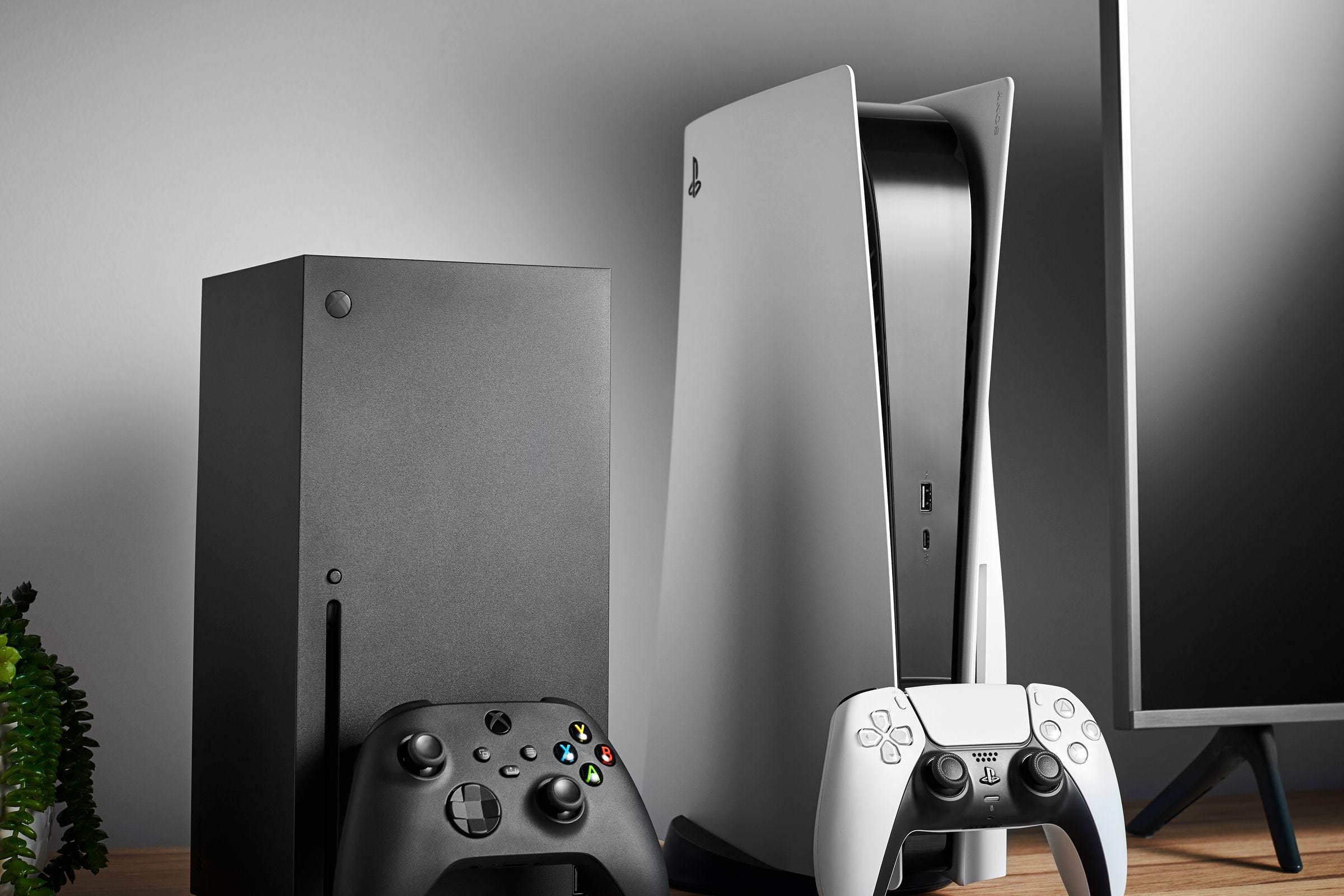
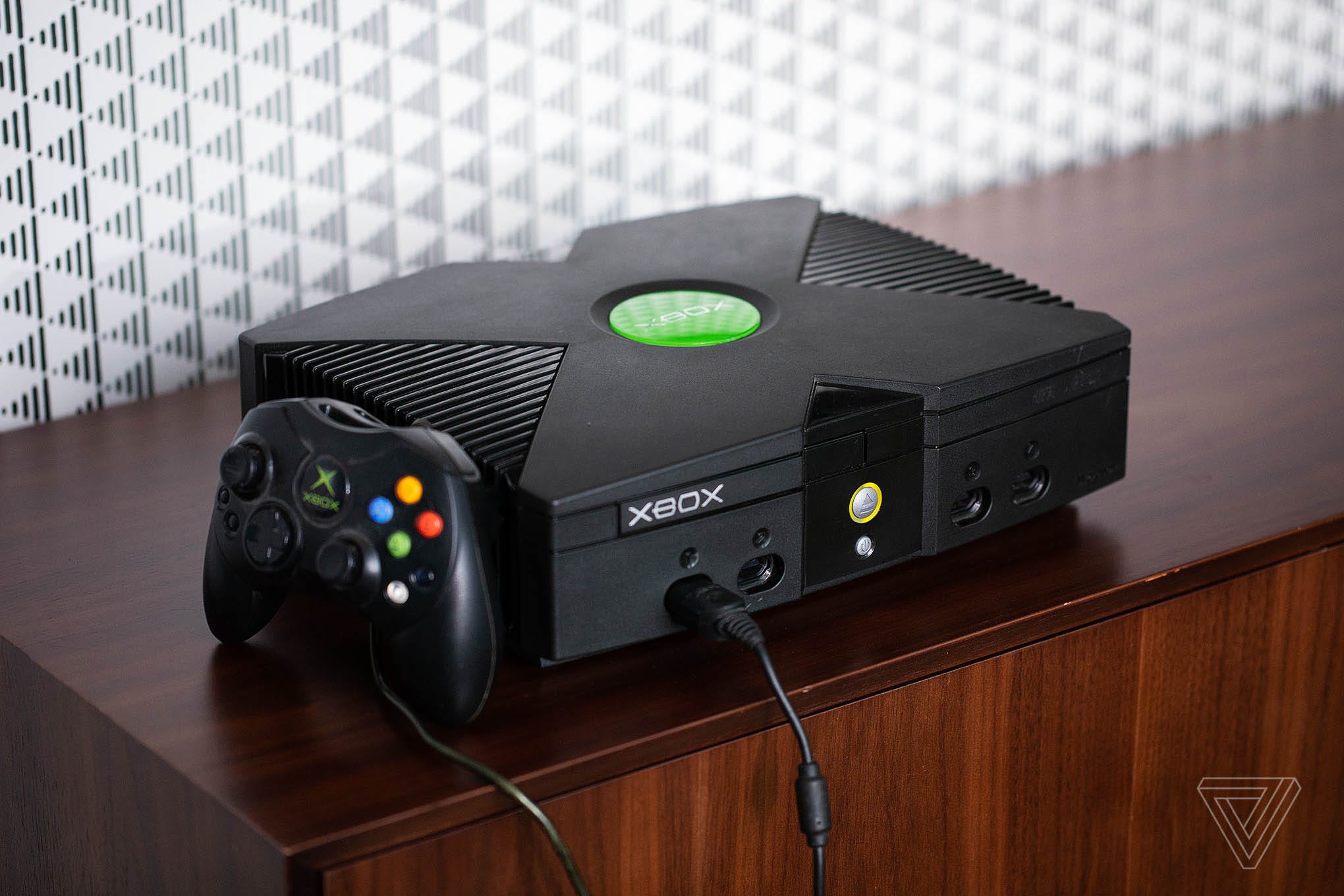
Early evening, March 2000. Inside the minimalist yet luxurious confines of the Hempel Hotel in London, Jay Allard was wrestling with more than just an unwieldy prototype. The reflective aluminium box before him wasn’t just any hardware; it was a dream, painstakingly forged into an “X” that symbolised the potential to redefine entertainment. This wasn’t just another project for Microsoft, it was a billion-dollar gamble.
Three weeks earlier, the Xbox had been nothing more than a concept, a wild idea to crash into an industry dominated by titans like Sony and Nintendo. Now, on the eve of its European unveiling, the stakes couldn’t be higher. Allard, a visionary with a penchant for extreme sports and a reputation for pushing boundaries, had convinced Bill Gates to back this audacious move. As he fidgeted with the setup, he exuded confidence, until the dream almost went up in smoke with a flick of the wrong switch…literally.
Allard’s quick reaction, disassembling the console and calling in every favour, tool, and resource he could find, mirrored the resourcefulness and grit that defined the Xbox team. They weren’t just building a machine; they were crafting a legacy. A last-minute courier delivered the replacement part, and with some improvisational surgery, the Xbox hummed back to life. Disaster averted, but this close call was a microcosm of their more significant battles.
At that moment, the team wasn’t just fighting hardware quirks; they were battling time, scepticism, and an industry where their opponent, Sony’s PlayStation 2, already reigned supreme. In less than 18 months, Microsoft had to bring the Xbox from a fragile prototype to a market-ready powerhouse. Failure wasn’t just about losing money, it meant missing their one chance to establish Microsoft as a force in the living room.
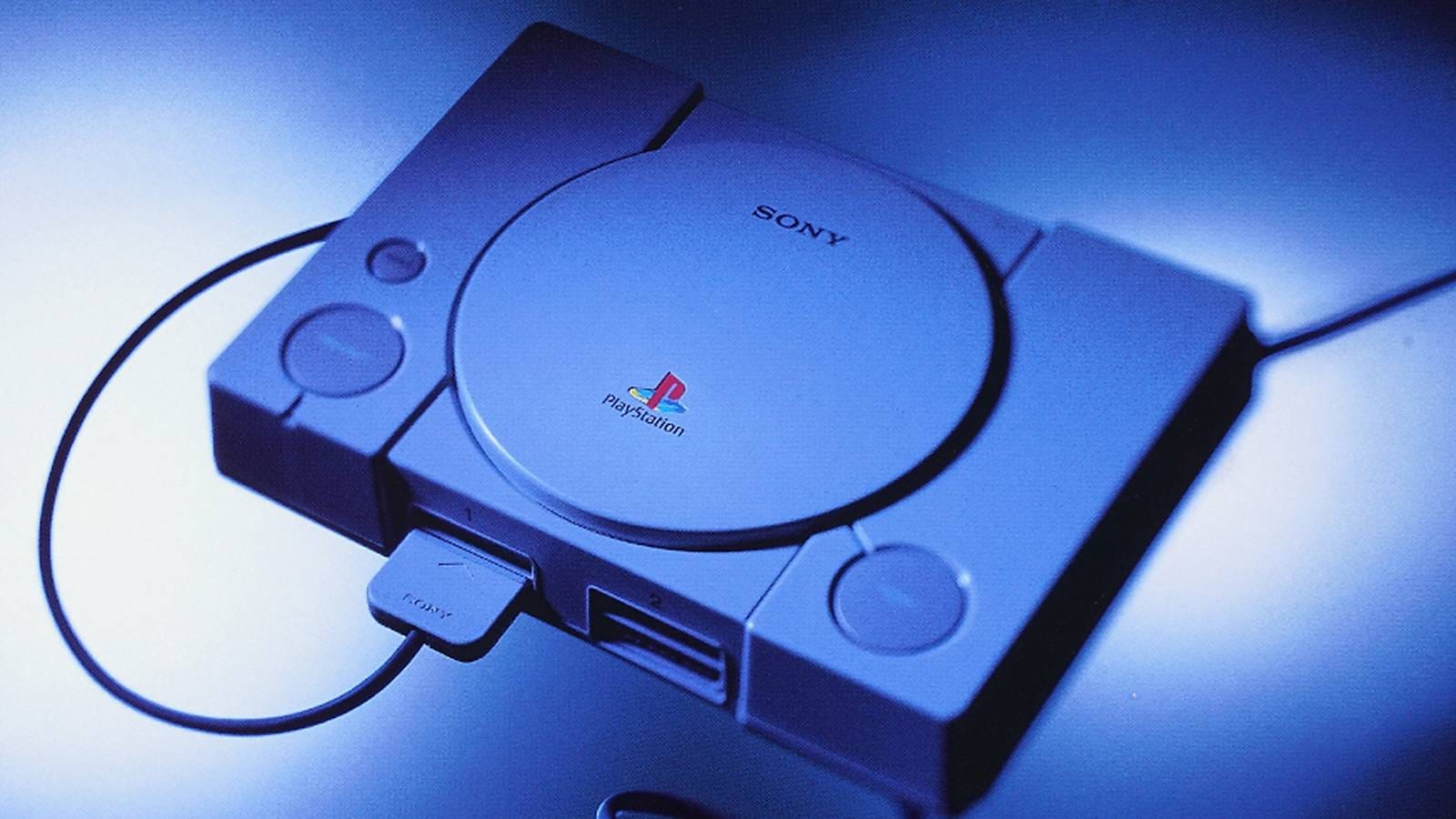
By the time Allard and his team scrambled to fix their console, Sony was already leagues ahead. In a glittering unveiling in Tokyo, Sony introduced the PlayStation 2 with theatricality reserved for global blockbusters. It wasn’t just a gaming console; it was a technological marvel, one that could play DVDs and connect to the internet, promising a future where the console wasn’t just part of the living room; it was the living room.
Ken Kutaragi, the mastermind behind the PlayStation, wasn’t shy about the stakes. With each calculated announcement and each mesmerising demo of the console’s graphics, Sony wasn’t just selling a product. They were dominant in sales, a complete takeover of home entertainment. And their head start wasn’t just in technology but in perception. While Sony was synonymous with entertainment, Microsoft was still “the PC guys.”
In Washington, the Xbox team faced an uphill battle against Sony and Microsoft. At a high-stakes executive retreat, Gates confronted the looming threat Sony posed. “If PlayStation becomes the hub of the living room, we’ll be locked out of a crucial space,” Gates said. It wasn’t just bravado but the recognition that the Xbox project was about far more than gaming. It was about staking a claim to the future of digital entertainment.
The Xbox team wasn’t short on bold ideas. They proposed a machine that wasn’t a console in the traditional sense, it was a disguised PC, leveraging the power of Microsoft’s existing platforms to create something unique. While their pitch initially captivated Gates with its ingenuity, especially the fast-booting Windows feature, reality soon set in. Manufacturing issues, a lack of support from game developers, and scepticism from the gaming community forced the team to scrap their initial vision.
By early 2000, the Xbox team had redefined their strategy. They abandoned the notion of repackaging Windows and embraced building a gaming-focused machine from the ground up. This pivot wasn’t just about technology; it was about survival. A billion dollars and Microsoft’s consumer future were riding on their success. But convincing Gates to back a non-Windows platform wasn’t easy. It took fiery boardroom confrontations and relentless persuasion to keep the project alive.
Meanwhile, Sony’s PlayStation 2 was dominating headlines and living rooms. Its sleek design, cutting-edge visuals, and irresistible game lineup, combined with its DVD-playing capabilities, positioned it as the must-have device of the decade. By the time Microsoft officially announced the Xbox in March 2000, Sony had already sold a million PS2s. The gap between the two companies wasn’t just about hardware but about momentum. Every day that passed solidified Sony’s lead and made Microsoft’s task harder.
For Microsoft, the Xbox wasn’t just a product; it was a statement. Despite the setbacks and the arduous task ahead, the team pressed on. They understood that while Sony might have the upper hand, Microsoft’s strength lay in its capacity to adapt and innovate. And with Xbox Live waiting in the wings, the team knew they had a chance to redefine the industry again.
The story of the Xbox’s creation isn’t just one of a product launch. It’s a tale of resilience, vision, and the determination to transform a near-meltdown into a pivotal moment. As the Xbox team worked late into the night, fixing bugs, securing developer buy-ins, and tweaking their strategy, they weren’t just building a console. They were creating a legacy that would ripple across decades of gaming history.
Strategic Double-Cross: The Microchip Wars
February 2001, Austin, Texas. The smoky atmosphere of the Gingerman Bar provided an unassuming setting for one of the most critical conversations in gaming history. David Shippy, a seasoned microchip designer with a penchant for tackling complex challenges, had yet to learn the magnitude of the project about to be laid before him. His former colleague, Jim Kale, leaned across the booth, his voice low but urgent.
“IBM, Toshiba, and Sony have joined forces to create the processor for the next PlayStation,” Kale began, barely containing his excitement. Shippy listened intently as Kale described a chip so advanced it could power hyper-realistic animations, pushing gaming into a more vivid and immersive realm.
The challenge was magnetic for Shippy. The proposed microprocessor, dubbed the Cell, promised to be a “supercomputer on a chip.” It would require breaking boundaries in performance and efficiency, all while fitting within the constraints of a gaming console. For Shippy, the stakes felt exhilarating. He agreed to join the project, not knowing that the competition wouldn’t just come from Sony’s rivals and the very company helping to build the Cell: IBM.
The Cell project represented Sony’s grand vision: a powerful processor that would future-proof their consoles for years. By 2005, the PlayStation 3 would debut this cutting-edge technology, giving Sony an unassailable advantage in the console wars, or so they thought. Shippy’s team dove into their work, collaborating with engineers from Sony and Toshiba to design a microprocessor capable of running billions of operations per second while remaining silent and calm.
Yet, in the background, corporate manoeuvring was underway. IBM, while publicly committed to Sony, had other ambitions. The Cell’s architecture wasn’t just a technological breakthrough, it was a goldmine. As the engineering team worked feverishly to deliver the chip on schedule, IBM executives quietly negotiated with Sony’s archrival, Microsoft.
By 2003, Microsoft, keenly aware of Sony’s plans for the PlayStation 3, was looking for a way to match its rival’s technological leap. For Microsoft, the stakes were existential. Their first foray into the gaming market with the Xbox had been a mixed success; it had proven their seriousness as a competitor, but they were still trailing Sony in both market share and prestige. The next Xbox had to be a game-changer.
Microsoft’s approach was bold: instead of building a microprocessor from scratch, they would use IBM’s Cell architecture as a foundation. They presented IBM with a jaw-dropping offer, more than a billion dollars, to adapt the Cell chip for the Xbox 360. The deal was too lucrative for IBM to refuse.
The ramifications of IBM’s double-dealing soon became apparent to Shippy. His team was now tasked with designing two near-identical chips for two bitter rivals, one for the PlayStation 3 and one for the Xbox 360. Officially, the projects were separate, but the reality was murkier. Microsoft’s requirements meant reworking the design to meet their specifications, all while staying within Sony’s aggressive timelines.
The tension within the engineering teams was palpable. “How can we meet these demands for both clients without raising suspicion?” one engineer asked Shippy during a late-night session. It wasn’t just a matter of engineering excellence anymore; it was about walking an ethical tightrope.
By mid-2004, Sony began to suspect something was amiss. While the Cell chip’s development was progressing, delays and unanticipated design changes hinted that something was happening behind the scenes. Their fears were confirmed when IBM and Microsoft quietly announced their partnership for the Xbox 360’s microprocessor. For Sony, it was a betrayal of monumental proportions.
But Sony had no recourse. The Cell chip was integral to the PlayStation 3, and switching partners would have delayed their console’s launch by years, handing Microsoft an uncontested lead. Trapped, Sony had no choice but to continue working with IBM, knowing that their cutting-edge design was also powering their competitor.
As the launch dates for the Xbox 360 and PlayStation 3 approached, the consequences of IBM’s deal came into sharp focus. Both consoles suffered production delays, forcing difficult decisions. Microsoft, determined to beat Sony in the market, pushed forward with the Xbox 360 despite unresolved hardware issues. Their gamble paid off in timing but planted the seeds for the infamous “Red Ring of Death” hardware failures.
Sony, meanwhile, found themselves needing help with the complexity of the Cell chip. While it delivered unparalleled performance, it was notoriously difficult to develop games for, a fact that alienated third-party developers and limited the PlayStation 3’s initial game library.
Despite these challenges, the console war between Microsoft and Sony entered its most heated phase. Each company leveraged its strengths, Microsoft through Xbox Live’s innovative online experience and Sony’s reputation for cutting-edge technology and exclusive titles. Meanwhile, Nintendo’s Wii disrupted the landscape entirely, focusing on accessibility and redefining gaming for a broader audience.
The Cell chip saga is a stark reminder of the complexities and compromises inherent in high-stakes competition. For IBM, the decision to play both sides brought immediate financial gains but at the cost of eroding trust. For Sony, it highlighted the risks of relying on external partners for critical technologies. And for Microsoft, it underscored the importance of agility and strategic foresight.
In the following years, the lessons of this betrayal would shape the gaming industry and broader debates about innovation, collaboration, and corporate ethics. Although born out of Sony’s ambition, the Cell chip ultimately symbolised how closely intertwined rivalry and partnership can be, and how the line between ally and adversary is often razor-thin.
Reconnecting the Vision: Xbox’s Unsteady Leap Forward
February 2007, Austin, Texas. Inside the bustling Xbox Support Center, frustration crackled through every headset. The calls came in waves, one after another, with customers venting their anger over the same problem. On the other end of the line, an exasperated gamer sighed deeply, explaining for the second time how his Xbox 360 had failed again, displaying the dreaded “Red Ring of Death.”
This wasn’t an isolated incident. The failure rate for Xbox 360 consoles was escalating, leaving Microsoft grappling with a growing PR nightmare. By this point, the scale of the issue had grown beyond a few disgruntled customers. It was a tsunami of complaints threatening to engulf the Xbox brand.
Three months later, in Redmond, Washington, Xbox chief Peter Moore braced himself for a confrontation with Microsoft’s CEO, Steve Ballmer. The mood in the room was heavy. Moore laid out the grim reality: the Xbox 360 hardware was catastrophically flawed, and the company’s inability to identify the root cause had rendered the crisis uncontainable.
Ballmer listened intently, his intense gaze narrowing as Moore delivered the dreaded figure: fixing the problem would cost an estimated $1.5 billion. It wasn’t just a financial hit; it was a threat to the credibility of the Xbox brand. Ballmer, known for his boisterous energy and decisiveness, leaned back momentarily before issuing a command that shocked Moore: “Do it. We’ll take the hit.”
This audacious decision wasn’t simply about fixing broken consoles. It was about ensuring the Xbox could remain a viable competitor in an industry where reputations were hard-won and easily lost. Microsoft’s deep pockets gave it the flexibility to absorb the cost, but even that didn’t erase the urgency to solve the underlying hardware issue. Engineers worked furiously to uncover the root cause, a design flaw involving solder joints that cracked under thermal stress.
As Microsoft grappled with the fallout, a different battle brewing on the horizon. While Sony was recovering from its faltering PlayStation 3 launch, Nintendo’s Wii had redefined gaming with its innovative motion controls and universal appeal. Suddenly, video games weren’t just for hardcore players but for everyone.
By early 2008, Xbox’s leadership began to grasp the scale of Nintendo’s success. Enter Alex Kipman, Xbox’s head of research and development, who was handed a near-impossible challenge: create a controller-free gaming experience that could compete with the Wii. The project, later known as Kinect, needed to track body movements precisely, recognise faces, and respond to voice commands. It was a science-fiction dream that seemed far out of reach.
Kipman scoured the globe for breakthroughs. He found teams working on speech recognition in Redmond, body-tracking infrared cameras in Tel Aviv, and facial recognition research in Beijing. By 2009, a working prototype of Kinect emerged. While not flawless, it was close enough to impress Don Mattrick, Xbox’s new boss, who greenlit the project with a massive $500 million marketing budget.
Meanwhile, Sony wasn’t standing still. At the 2009 E3 conference, Sony unveiled the PlayStation Move, a motion controller resembling a glowing wand. Unlike Kinect’s ambitious hands-free approach, the Move built on Nintendo’s motion-control innovations but added more precision and retained traditional buttons. Sony framed it as a tool for more complex games, directly aiming at Kinect’s focus on simplicity.
Sony’s iterative approach reflected a broader shift in its strategy. Following the bruising launch of the PlayStation 3, Sony had restructured, fostering closer collaboration between its hardware teams and game developers. These small, strategic moves gradually rebuilt its momentum, pushing PlayStation 3 sales closer to Xbox 360 numbers by 2010.
By November 2010, Microsoft unleashed Kinect to an enthusiastic market. With its slogan “You Are the Controller,” Kinect promised a revolutionary experience. The marketing blitz paid off. Kinect sold 8 million units in just two months, rejuvenating Xbox 360 sales and broadening its appeal to families and casual gamers. Titles like Kinect Adventures became instant hits, showcasing Kinect’s potential for intuitive, accessible gameplay.
Sony’s PlayStation Move, in contrast, struggled to capture the same excitement. Despite its technical advantages, it lacked Kinect’s cultural moment and the massive marketing push. For a time, it seemed Microsoft had found its answer to Nintendo’s runaway success.
Kinect’s success emboldened Mattrick, who declared it the cornerstone of the next Xbox console. Yet, this all-in bet came with risks. As Kinect’s limitations in precision and compatibility with complex games became apparent, developers and gamers alike began questioning its long-term viability. Moreover, tying the future of Xbox so tightly to a single device created vulnerabilities that would surface in the next console generation.
For now, though, Kinect’s triumph represented a significant milestone for Xbox, a sign that innovation and boldness could redefine its role in the gaming world. However, the seeds of future challenges were already sowed as Xbox’s focus on expanding its audience began to alienate its core base of dedicated gamers.
Consolidating Power: A Strategic Bid for Dominance
Early 2020, Southern California. Inside the gleaming headquarters of Activision Blizzard, tensions were palpable. Bobby Kotick, the unyielding CEO of Activision, faced off against Xbox executive Sarah Bond. The stakes were high. Microsoft’s new Xbox console was set to launch in November, and Bond needed the powerhouse Call of Duty franchise ready for day one. Kotick, however, was unflinching.
Call of Duty wasn’t just another game; it was a cultural juggernaut and a guaranteed bestseller every year. Without it, Microsoft’s launch could falter before it even began. Kotick, fully aware of his leverage, was clear: Activision wouldn’t accept Microsoft’s standard revenue split. Sony, Activision’s other major partner, had already sweetened its deal for the PlayStation 5. If Microsoft wanted Call of Duty, it must do the same.
Bond pressed. “Skipping Xbox would mean walking away from tens of millions of players,” she argued. But Kotick remained unmoved. “Maybe so,” he retorted, “but that’s a gamble we’re willing to take.”
Within days, Microsoft conceded, offering Activision a more lucrative deal. But for Microsoft, the concession wasn’t the end of the story, it was the beginning of a far bolder play. If Activision held such sway over the gaming landscape, why not acquire it outright? Such a move would secure Call of Duty for Xbox and reshape the gaming industry’s power dynamics.
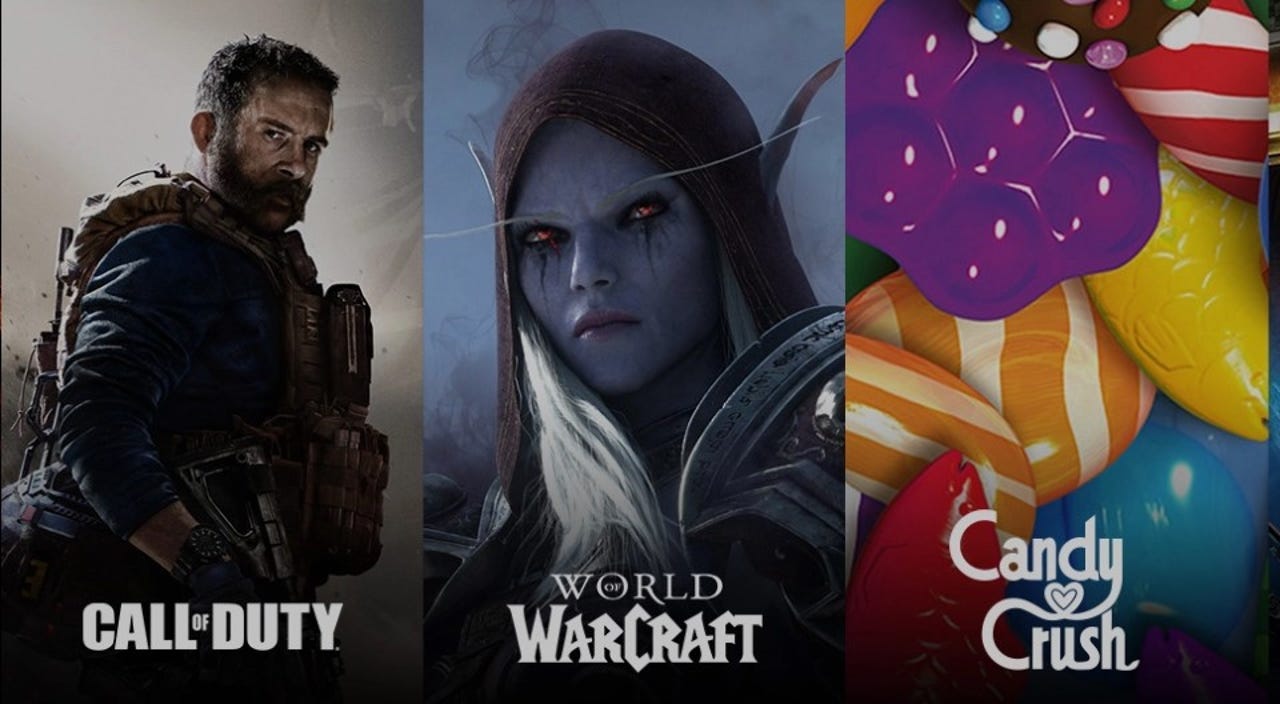
In January 2022, Microsoft announced its intention to purchase Activision Blizzard for an astonishing $68.7 billion. It was a deal that would make headlines as the largest acquisition in gaming history, giving Microsoft control of massive franchises like Call of Duty, World of Warcraft, and Candy Crush. The move was about more than just games; it was about positioning Xbox as a dominant player across consoles, PCs, and mobile devices.
However, Sony saw the acquisition as an existential threat. By owning Activision, Microsoft wouldn’t just gain a treasure trove of profitable titles and become one of the largest publishers on PlayStation. For Sony, this dual role of competitor and supplier was deeply unsettling. If Microsoft wanted to, it could wield Activision’s assets to undermine PlayStation’s position, creating a battlefield fraught with unprecedented complexities.
As news of the deal spread, regulators worldwide began scrutinising its implications. While some approved the merger with conditions, others hesitated. In February 2023, the U.S. Federal Trade Commission (FTC) and the U.K.’s Competition and Markets Authority (CMA) signalled strong resistance, fearing the deal could lead to reduced competition.
Sony seized the moment, lobbying regulators to block the merger. Sony’s PlayStation chief Jim Ryan argued that Microsoft’s ownership of Activision would inevitably harm the broader gaming ecosystem. “What’s to stop them,” he questioned, “from prioritising their platforms at our expense?”
Microsoft countered these claims, promising to keep Call of Duty on PlayStation for at least 10 years. It even struck deals to bring the franchise to other platforms, including Nintendo. Despite these assurances, tensions remained high. “This isn’t about exclusivity,” Xbox chief Phil Spencer insisted. “It’s about expanding Activision’s reach and giving players more options.”
By mid-2023, the regulatory hurdles were gradually cleared. Microsoft addressed concerns over game streaming, a nascent but fast-growing market, by agreeing to transfer Activision’s streaming rights to a third party. In October 2023, the deal finally closed, marking a watershed moment in the gaming industry.
The acquisition redefined Microsoft’s approach to gaming. No longer tethered solely to its consoles, Xbox was now a multi-platform ecosystem, reaching players wherever they were. With Activision under its umbrella, Microsoft’s gaming revenues surged, surpassing Sony’s for the first time.
But this shift wasn’t without challenges. For many, the deal symbolised the growing dominance of conglomerates in gaming, raising questions about creativity, independence, and fair competition. For Sony, the acquisition was a stark reminder that the days of console wars were evolving into something far more complex, a battle for the broader entertainment market.
Microsoft’s Activision deal was not about winning the console wars but transcending them. With a strategy centred on Game Pass and a focus on PC and mobile, Microsoft aimed to redefine what it meant to be a gaming leader. For Xbox, the future wasn’t just about selling more consoles but creating a gaming ecosystem that spanned devices, platforms, and experiences.
Yet, the story is far from over. As Sony forges partnerships to expand its reach and new competitors like cloud gaming giants emerge, the next phase of this rivalry promises to be as unpredictable as it is groundbreaking.

Beyond the Console: Redefining the Future of Gaming
In the early days of video games, owning a console was a badge of honour. Atari, Sega, and Nintendo each held their reigns with iconic devices that defined childhoods. For some, these machines were more than just platforms, they were an identity. Yet, the world of gaming was destined to evolve. By the mid-1990s, Sony disrupted the market with its PlayStation, followed by Microsoft’s ambitious Xbox in the early 2000s. These new players transformed gaming into a billion-dollar industry. But as the console wars raged on, an undeniable truth emerged: the battlefield was shifting.
Only some attempts to enter the gaming market were successful. Giants like Phillips, Panasonic, and even Apple tried their hands with products like CDI, 3DO, and Pippin. Their failure wasn’t just about poor marketing or inferior hardware, it was a fundamental misunderstanding of the industry’s demands. Gaming was no longer just a side hustle for tech companies. It required full commitment.
Take Google’s Stadia, for instance. A promising cloud-based gaming platform, it offered cutting-edge technology but lacked the essential ecosystem of game developers and community support. Without buy-in from major publishers or gamers, Stadia quickly became another cautionary tale. The message was clear: success in gaming required more than ambition; it demanded trust, partnerships, and a deep audience understanding.
Among the heavyweights, Nintendo stood apart. With a history of toy-making, the company embraced novelty over raw power. The Wii, released in 2006, epitomised this philosophy. Its intuitive motion controls and focus on fun made it a global sensation, selling over 100 million units. Families gathered to bowl virtually in their living rooms, and even non-gamers found themselves picking up the simple, wand-like controller.
But the Wii’s successor, the Wii U, stumbled. Its bulky gamepad and unclear messaging left consumers confused, and sales languished. Yet, Nintendo rebounded spectacularly with the Switch, a hybrid device that blurred the lines between console and portable gaming. Its portability, combined with a stellar library of exclusive titles like The Legend of Zelda: Breath of the Wild, proved that innovation, not imitation, was Nintendo’s true strength.
For Sony and Microsoft, the console war was a race to dominate the living room. Both companies introduced powerful hardware, with Sony often prioritising exclusive titles and Microsoft pushing online services like Xbox Live. Yet, as technology advanced, the race began to shift. By the mid-2010s, the rise of mobile gaming and streaming services challenged the very premise of the console.
Sony leaned heavily on its legacy. Franchises like Uncharted, God of War, and Spider-Man became synonymous with the PlayStation brand, each releasing an event in its own right. Microsoft, however, started looking beyond traditional hardware. In 2017, it launched Xbox Game Pass, a subscription service offering a rotating library of games. Dubbed “Netflix for gaming,” Game Pass marked a pivot toward accessibility and ecosystem over hardware sales.
The rise of mobile gaming was the most significant disruption to the industry since the advent of the internet. Games like Candy Crush and Clash of Clans proved that a great gaming experience didn’t require a high-powered console. These games were free to play but monetised through in-game purchases, a model that turned them into billion-dollar franchises.
Cloud gaming added another dimension. Services like Nvidia GeForce Now and Xbox Cloud Gaming (formerly xCloud) promised gamers the ability to play AAA titles on any device, from smartphones to smart TVs. This shift was a direct challenge to the traditional console model. What would define brand loyalty in gaming if hardware was no longer necessary?
Faced with these disruptions, gaming giants began consolidating. Microsoft’s acquisition of ZeniMax in 2020 and its historic purchase of Activision Blizzard in 2022 were bold moves to secure a foothold in mobile and PC gaming. With titles like Call of Duty and World of Warcraft now under its umbrella, Microsoft positioned itself as more than a console maker, it became a content powerhouse.
Sony, meanwhile, focused on strengthening its lineup of exclusives and experimenting with services like PlayStation Plus. It also dipped into mobile gaming partnerships, recognising that the battle for gamers’ attention was no longer confined to the living room.
Today, the gaming industry is at a crossroads. Consoles remain popular, but their dominance is waning. With billions of players worldwide, the actual growth lies in mobile and cross-platform experiences. As companies like Microsoft aim to integrate gaming into every device, the focus is shifting from selling boxes to building ecosystems.
Nintendo, ever the outlier, continues to thrive by prioritising creativity and innovation. The success of the Switch highlights a crucial lesson: while technology drives the industry forward, the heart of gaming lies in creating memorable experiences.
For Sony, Microsoft, and Nintendo, adaptability will define the future. Whether through acquisitions, cloud services, or groundbreaking hardware, the next chapter of gaming is being written in real time. And as the lines blur between consoles, PCs, and mobile devices, one thing remains clear: the game is far from over.
Corporate Clashes Series by Samuel H. Vance
‘Clash of Consoles: Xbox and PlayStation’ is a serialised extract from Samuel H. Vance’s Corporate Clashes series of books.
You can order Corporate Clashes on Amazon
